Readers search your name before they buy the book.
Personal branding for authors, from an author of 21+ books.
Readers, editors, journalists and event organisers look you up before they say yes. Here is how to make sure they find one clear author, with every book in one place.
I'm Bhavik Sarkhedi, a serial entrepreneur and personal branding consultant based in Ahmedabad, India, with three bootstrapped exits. I've written 21+ books and been featured in The New York Times, Forbes, Fast Company, HuffPost and Entrepreneur.
The short version of how I got here.
Featured in








- Three bootstrapped exits
- 21+ books
- Featured in The New York Times and Forbes
- 12+ years, 1,200+ clients
The short answer
What personal branding means for an author.
Personal branding for authors means that when a reader, an editor, a journalist or an event organiser searches your name, they find one clear author: your books, what you write about, and proof that other people take you seriously. The work is an author site on your own name, author profiles that agree with it, and coverage that independent people publish.
I have written 21+ books, from branding playbooks and writing craft to fiction, starting in 2015. The steps on this page are the ones I used on my own name before I used them for clients.
The author record
The places search engines and AI tools check for an author.
| Place | Why it matters | What to fix |
|---|---|---|
| Your author site | The one page you control that states who you are and lists every book. | One site on your own name, with each book, the right editions and links out to buy. |
| Google Books | Google reads its own book records when it decides who an author is. | Check every book is listed under the same form of your name. |
| Goodreads author page | Readers and AI tools both use it to connect books to a person. | Claim the author page and merge duplicate profiles. |
| Amazon author page | Often the first result for a book search. | Claim it, add the same bio and photo you use everywhere else. |
| ISBN records | Tie each edition to you formally. | Make sure the author name matches your site exactly. |
| Interviews and reviews | Independent proof that people read and discuss your work. | Earn them; do not buy them. |
Knowledge Panels and AI answers
Books are strong proof for Google.
A Google Knowledge Panel can draw on book listings, author pages, interviews and your own site, so authors often have a stronger starting point than they think. The common problem is that the record disagrees with itself: three spellings of your name, two bios, or a namesake whose books get mixed with yours. Fixing that is usually the first job.
I have a verified Google Knowledge Panel for my own name. Nobody can promise you one, because Google decides, but a clean author record is what it reads. Person Engine Optimization is the name I use for this work on how search engines and AI assistants read a person.
Where to start
Five steps for an author's name.
- Pick one form of your name and use it on every book, profile and byline from now on.
- Build the author site on your own name, with a plain bio, every book and a press page.
- Claim the author pages on Google, Goodreads and Amazon, and make the bios match.
- Turn the books into conversations: podcasts, interviews and guest articles where someone else introduces you.
- Check what AI assistants say when asked about you and your books, and correct the pages they rely on.
If you want help, the personal branding expert page covers how I work, and the cost page explains what moves the price.
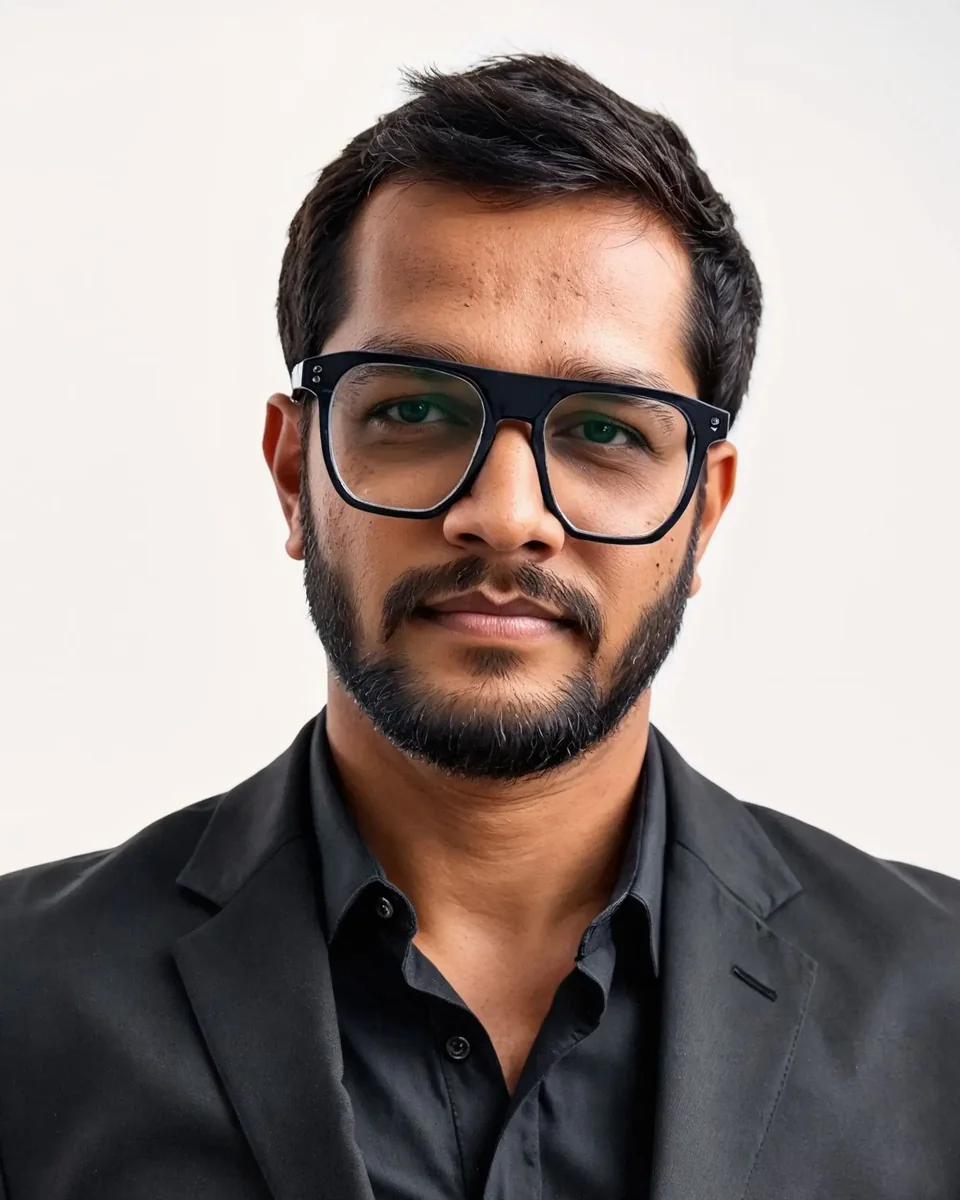
Who you would be working with
An author first, and still writing.
I'm Bhavik Sarkhedi, a serial entrepreneur and personal branding consultant based in Ahmedabad, India, with three bootstrapped exits. I've written 21+ books and been featured in The New York Times, Forbes, Fast Company, HuffPost and Entrepreneur.
I have written 21+ books since 2015, from branding playbooks and writing craft to fiction. Content and SEO came first, from 2014, and I have had three bootstrapped exits: Dad of Ad in 2021, Write Right in 2023 and Blushush in October 2026.
- Named by Forbes among the top global personal branding experts, 2025.
- Published twice in The New York Times.
- Verified Google Knowledge Panel for my own name.
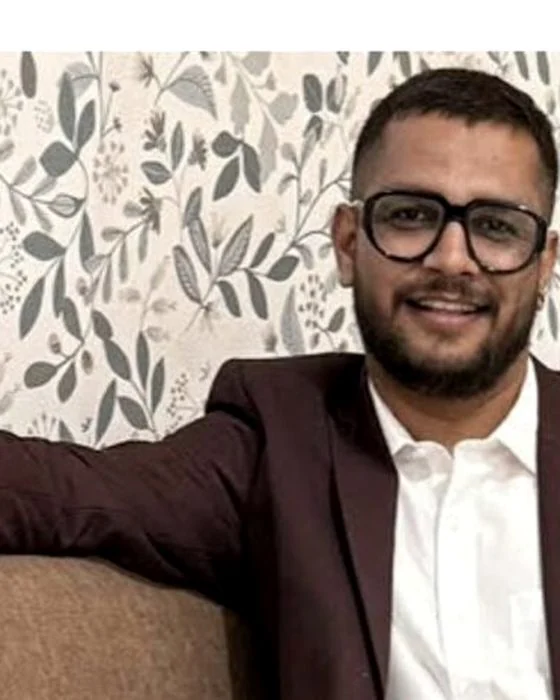
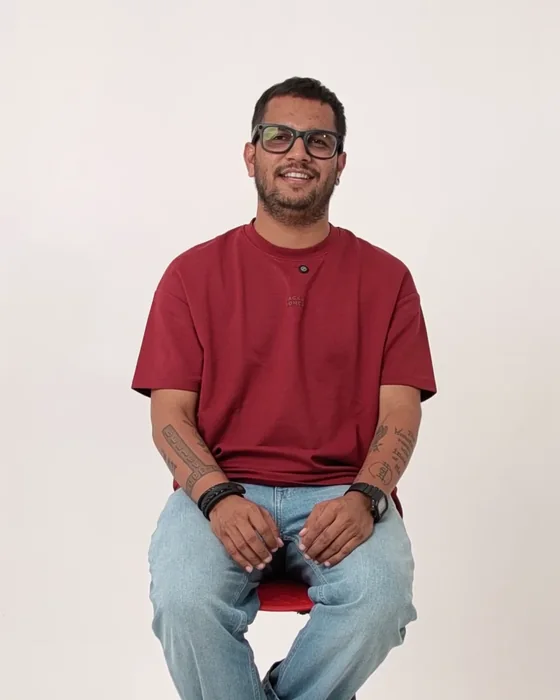
Off camera
Not a studio portrait. This is my actual week.
Between calls, between meetings, and the conversations that run past midnight. The same person who will work on your name.


Proof before promises
Check the clients, the reviews and the press first.
Everything below is public. Read who I have worked with and what they said, then decide whether to write to me.
Questions
What people ask before they hire me.
Do authors need personal branding?
Readers, editors and organisers look you up before they buy, commission or invite you. Personal branding makes sure they find one clear author with every book in one place, instead of scattered or mismatched pages.
What should be on an author website?
A plain bio, every book with its editions and where to buy it, a press page with interviews and reviews, and a way to contact you. Use the same name, photo and bio you use on author profiles.
Can a book help me get a Google Knowledge Panel?
A book listing is one of the sources a panel can draw on, alongside author pages, interviews and your own site. Nobody can promise a panel, but a consistent author record is what Google reads.
Should I use a pen name?
That is your choice. If you do, keep the pen name and your real name clearly separate or clearly linked, and use each one consistently, so search engines do not merge or split you by mistake.
Do you write the books?
No. This page is about the author's name and public record, not ghostwriting the books themselves.
Keep reading