Where Should Your First Branding Dollars Go?

Early-stage founders and solopreneurs often wonder whether to invest first in their personal founder brand or their company’s corporate brand. In practice, these two approaches serve different purposes. A founder-led brand leverages the story, expertise, and authenticity of the founder, while a company brand focuses on visuals, messaging, and positioning for the business as an entity. 

In the very early days, your personal brand and your business’s brand are almost the same thing. Startupp experts note that at the Seed and Series A stages, the founder’s name is often the primary trust signal you have, because you need to build fast credibility with customers, partners, and investors. In short, for an unproven startup, people are more likely to connect with you than with a cold logo.

Most new companies have neither a famous CEO nor an established reputation yet. That means trust and clarity must come from somewhere. Your personal story, ideas, a nd insights can fill that gap. As one branding guide explains, founder branding isn’t just about being seen, it’s about being trusted to speak on a topic. When prospects see your name associated with a niche, they begin to associate you with solutions. 

Column Content puts it plainly: in B2B startups, ps “people aren’t just buying your product, they’re buying your expertise and way of thinking.” In other words, customers and partners bet on you as the founder to solve their problem, so your credibility can significantly accelerate early sales and hiring.

By contrast, company branding is more of a long-term play. A corporate brand defines your company’s values, visuals, and messaging consistently over time. This branded house approach eventually builds recognition and trust, but it’s inherently slow. As Column Content notes, “nobody trusts a logo with a pitch deck” in the early stages. 

A startup logo alone conveys nothing until you’ve proved your concept. Research shows that high-growth startups often rely on the founder’s credibility first; their data table even lists “Founder brand” as the primary trust signal at Seed/Series A.

The verdict from marketing experts is clear: Founder branding gets you there faster. Early on, every dollar spent on marketing should ideally amplify your voice as a founder. Doing so speeds up sales, warms up hiring, and shortens the time it takes to build market credibility. Once you’ve built that trust and an audience, you can reinvest in building the company’s wider brand. 

But if you start with a corporate logo and messaging before people know who you are, you risk blending into the background. As one analysis puts it: “If you only invest in company branding, you risk blending in. If you only invest in founder branding, you become a bottleneck.” The best strategy is to leverage both, but front-load your early marketing around the founder’s story and expertise.

The Case for Founder-Led Storytelling

Investing in founder-led branding means telling your story first. Why does that matter? Because stories stick. As the startup marketing guru Dave Gerhardt emphasizes, audiences crave authenticity: “share your journey, struggles, and wins to build trust.” They want to see the person behind the product. Founder-led storytelling lets you humanize the business from Day One and differentiate from competitors who just sling corporate buzzwords. 

When you consistently show up with real insights, whether on LinkedIn, X (formerly Twitter), or a personal blog, you begin to own a space in people’s minds. Column Content explains this well: “When someone sees your name, do they immediately associate it with a category, a niche, or a pain they have? That connection is what founder branding does best.”

Building that narrative early has tangible benefits. For example, personal branding pioneer Karl Hughes shared that his online presence (a blog and social posts) directly helped grow his startup. He recounts that in one year his site “helped me hire employees, attract new customers, [and] build relationships with investors.” 

In other words, the audience he built around him before launching the company became a pipeline of leads and opportunities. This happens because personal stories generate emotional connection in ways corporate copy rarely can. When you share a behind-the-scenes journey (“why I left my stable job”, “how I overcame a big startup challenge”), people begin to root for you. That engagement often translates into loyal followers and early customers.

Some key practices of founder-led storytelling include:

  • Be Authentic and Vulnerable: People connect to real journeys. As industry experts advise, always “show, not tell,” share the lessons you’re learning instead of just pitching your product. When the founder of Draft.dev wrote a personal post about his new son on LinkedIn, which directly led a corporate client to reach out. Genuine moments like that can resonate far more than polished marketing language.
  • Own Your Niche: Consistency in topic and style helps your audience know what to expect. Karl Hughes notes that in the early days, “your brand is largely indistinguishable from your business’s brand.” Before you even launch a product, you can test interest and build a reputation by writing or speaking about your industry. This positions you as an expert by the time the product arrives.
  • Build Your True Fans: Founder branding is essentially the process of gathering an audience of engaged supporters. The concept of “1,000 true fans” captures this well: rather than go viral, focus on each person who loves your content. Hughes explains, “Building your brand essentially means building your list of true fans, and it’s something you can take with you before you launch your business.” Those fans become your first evangelists, customers, advisors, and referrers, even before you invest in traditional ads.
  • Leverage Accessible Channels: Thanks to social media and content platforms, founder storytelling doesn’t require a huge budget. Gerhardt calls social media “a free megaphone” that can amplify your message without a big spend. Pick 1–2 channels where your audience hangs out (e.g., LinkedIn for B2B), and be consistent. You don’t have to be everywhere; pick what works and stick to it. Over time, the visibility you gain on those platforms will feed directly into interest in your startup.

By putting a face and story to your new venture, you make it memorable. Stories create context and meaning, something a logo alone can’t provide. Ultimately, founder-led storytelling is about building authority. It’s one thing to say your startup does X; it’s far more convincing when the founder can say, “I helped build X, and here’s why I’m passionate about solving this problem.” That authority translates to trust, which turns into early traction.

Why People Buy From People

At a fundamental level, people connect with people. Modern consumers (and buyers) have grown skeptical of faceless companies, so they gravitate toward real individuals they know or trust. Marketing research repeatedly reinforces this: a personal connection drives purchase decisions. For example, a Dynata survey on sales found that trust is the bedrock of any transaction. “When we like someone, we naturally trust them more,” writes the Dynata analyst. This trust isn’t built on a fancy brochure but on genuine, consistent interactions, a smiling handshake, a helpful conversation, or an insightful post.

Emotions also play a key role. Dynata highlights that “people don’t just buy products, they buy feelings.” If a potential customer feels positive toward you, the person offering a solution, they’ll perceive your product as more valuable. Even mundane offerings can seem special through a human lens. When a customer likes you, you become the person they talk about; word-of-mouth kicks in because they want their friends to have a good experience too.

Put simply, your likability and credibility as a founder can make or break early sales. Industry commentators phrase it bluntly: “People don’t buy from companies; they buy from people.” In B2B, especially, where purchases are complex and involve multiple stakeholders, personal trust can outweigh slick marketing. 

Case in point: an Altify report notes that even with AI and data driving sales, the need for the human touch has grown. In one survey, 76% of buyers said that an in-person meeting signaled how much a supplier valued them, and 59% said they would only buy from a vendor if they’d met face-to-face first. That means buyers often refuse to purchase unless they know the person on the other side.

In practice, this human factor shows up in many ways:

  • Employee and CEO Advocacy: Content shared by real people generates far more trust and reach than corporate posts. LinkedIn data shows employee-shared posts get about 2× the engagement of the same content on the company page. Audiences subconsciously feel that person-of-the-brand content is more authentic. Research finds that in a B2B context, audiences trust employees (and leaders) roughly twice as much as a CEO or an anonymous brand. A recommendation from a founder or team member carries weight. This is why savvy startups encourage their teams to evangelize the brand organically.
  • Relatable Storytelling: When you, as founder, share your own story, readers see themselves in you. They think, “If I were in his shoes, I’d want a solution like this too.” That personal relatability makes them more likely to stick around. It’s the difference between a nameless ad and a founder saying, “I faced this challenge and built a solution.” Every anecdote or lesson you share reduces the social distance with your audience.
  • Personalized Experience: Unlike an impersonal corporation, you can offer direct responses and custom engagement. A person can listen and adapt. Dynata notes that a buyer who feels “seen and heard” by a salesperson is far more likely to close the deal. A founder can answer comments on social media, send personal thank-you notes, or simply respond to DMs, things a big brand usually can’t do at launch.

In short, first-time customers often come through existing personal networks. Heavybit founder Karl Hughes explains it clearly: Everyone starts with their first customer, and almost every first customer comes from previous relationships with people who like and trust you.” Your first deal might be a friend of a friend, or someone who clicked on a LinkedIn post because they recognized your name. This is your natural advantage as a founder; leverage it.

Because of all this, your founder brand should be your most powerful marketing tool in early-stage selling. A strong personal presence can compel people to take meetings, ask about your product, and ultimately buy, whereas a faceless email blast might be ignored. It’s a virtuous cycle: the more personal trust you build, the more comfortable people feel buying from you or evangelizing your startup to others.

Building Trust Through the Founder First

Trust doesn’t magically appear overnight; it’s earned through genuine authority and consistency. The best way to fast-track that trust is often by putting the founder in front. When potential customers or partners search for your startup, what do they find? 

A polished one-pager, or a vibrant LinkedIn with regular insights? Column Content warns that even later on, if “they Google your name” and “don’t find anything, it feels like a red flag.” In other words, your online footprint as a founder directly signals your credibility.

Here are some ways founder-led branding builds trust:

  • Authority Through Expertise: When you consistently share knowledge, you position yourself as an expert in the field. People begin to associate your name with solving a particular problem. For example, if every week you publish analysis on X industry trends, your network will come to believe you truly understand X. That means when your startup offers a solution for X, they’re primed to trust you more than an unknown brand. 

As one blog put it, in high-stakes B2B buying, clients aren’t just buying the product, they’re “betting on your ability to solve a painful, expensive problem.” A founder who has already demonstrated expertise makes that bet seem less risky.

  • Early Credibility Signal: In the absence of a track record, a well-known founder profile serves as a stand-in for reputation. Column Content sums it up: at the seed stage, the founder brand is “the bridge between being unknown and being the default choice.” 

Rather than having to show case studies, you show your face and ideas. That shortens the sales cycle: prospects who recognize you from thought leadership content are more likely to listen, trust, and convert.

  • Authenticity and Transparency: Founders can afford to be more candid than companies. By sharing both wins and challenges, you humanize the brand. For instance, Dave Gerhardt advises founders to be transparent in their journey, which “builds trust and relatability” with customers. 

When buyers see vulnerability (e.g., admitting a mistake or sharing a learning experience), it creates a bond. It tells them you’re not just in it for profit; you genuinely care about solving the problem. This kind of transparency fosters a sense of collaboration and respect. Experts note that being “transparent builds credibility” and trust, a principle that strongly applies to founder branding.

  • Momentum into Company Branding: Of course, founder branding doesn’t replace a company brand forever. When your startup grows and closes deals, the corporate brand starts to have its weight. But the founder brand has already earned the initial trust. 

Column Content describes how, later on, the company brand “adds weight to the founder brand” by reinforcing all the claims you’ve made publicly. By then, your early personal content and results can be echoed in company case studies, press, and marketing collateral. So you get the best of both worlds.

Putting the founder first doesn’t mean ignoring the company brand entirely. It means using your voice to open doors, then gradually layering in formal branding. This is why many startup advisors say, “Start with your name.” 

If your early audience knows you, they will be more forgiving of a rough website or logo and more interested in meeting you. Once they trust you, scaling to a full-fledged corporate identity will be smoother.

For example, think of recent founders who used personal branding brilliantly. While not every founder can be a household name, the idea applies broadly: share lessons from building your product, discuss why you believe in your mission, and engage one-on-one with followers. Over time, those touchpoints become trust deposits. As Column Content sums up: “Founder branding pulls. Company branding pushes. One earns trust through insight. The other earns trust through size and longevity.” Early on, you want the “pull” of your insight.

Soft Promotion

Ohh My Brand, led by Sahil Gandhi and Bhavik Sarkhedi, helps founders become the face of their brand before their product even launches.

Talk to a Founder Branding Strategist

Building a strong founder brand may sound like a lot of work, and it is. But you don’t have to do it alone. If you’re not sure where to start, consider talking to a founder branding strategist. These specialists help you craft your unique story, identify the right channels, and develop a consistent content plan. They can guide you in shaping a narrative that resonates with your target customers now, while also aligning with where you want your company brand to go later.

Investing in founder-led branding from the beginning can drastically shorten your path to sales, partnerships, and funding. As the experts above make clear, people ultimately do business with people they know, like, and trust. 

By becoming that trusted person, you make your startup that much more compelling. So before you invest in fancy logos or ads, try investing in yourself: define your voice, tell your story, and let your personality lead the way. Then, when the time comes to scale up, your company brand will ride on the foundation of the trust you’ve already built.

Why Founder Branding Drives Revenue Growth in 2025

In 2025’s hyper-connected business landscape, a startup founder’s brand has evolved from a “nice to have” into a core growth strategy. Founder branding, the public profile and reputation of a company’s founder, is no vanity project; it’s a strategic asset that can directly drive valuation and business growth. 

Studies show that people tend to trust individuals more than faceless corporations, and this trust translates into business outcomes. 82% of people are more likely to trust a company when its senior executives are active on social media, and 77% of consumers are more likely to buy from a company whose CEO uses social media. In other words, a founder’s visibility and authenticity can boost customer confidence and sales.

Moreover, nearly half of a company’s reputation is attributable to its CEO’s reputation. This means the personal esteem of the founder directly uplifts how the startup is perceived in the market, influencing everything from customer loyalty to investor interest. 

Little wonder that thought leadership and personal branding have become “the secret weapon of truly innovative companies,” helping founders shape industry narratives and even driving purchasing decisions. Personal influence has become a distribution channel of its own, lowering marketing costs and amplifying reach for those who cultivate it.

Conversely, founders who remain “silent” or invisible face an uphill battle: they struggle to gain attention, spend more on paid marketing, and may miss out on opportunities that an active personal brand would attract. In short, founder branding is emerging as a revenue strategy because it creates tangible business advantages: warming up audiences, attracting deals, and building credibility that translates to growth.

“Reputation compounds. And in 2025, it might just be your biggest unfair advantage.”

This insight from investor Blaine Vess encapsulates the opportunity. Your reputation, as a founder, grows exponentially and can become a key competitive edge. Below, we explore what founder branding means beyond your company logo, why investors and talent are betting on people behind the products, and real examples of how a strong personal brand fuels business success. By the end, it will be clear why investing in your brand is not just about ego; it’s about driving trust, traction, and revenue in 2025’s market.

Beyond the Logo: What Founder Branding Means

Founder branding goes far beyond your startup’s logo or visual identity; it’s about the human behind the business. It’s the public’s perception of you as a founder, shaped by your experience, values, expertise, and how you present your story. In essence, your brand is what people say about you (and by extension, your company) when you’re not in the room. While a corporate brand might convey what your startup does, a founder’s brand conveys who you are and why you do it, lending a face and personality to the company.

Crucially, founder branding means building trust and relatability at a personal level. Stakeholders today seek authenticity and leadership they can connect with. For instance, 93% of consumers believe CEO engagement on social media helps communicate company values and shape a company’s reputation. 

Likewise, 76% of executives say that an active, social CEO makes a brand more credible. These numbers underscore that when a founder is visibly engaged and genuine, it humanizes the business and boosts credibility. It’s not just about posting on X (formerly Twitter) for vanity; it’s demonstrating transparency and thought leadership, which in turn makes customers and partners more confident in your startup.

Put simply, founder branding is about trust equity. A founder who regularly shares insights, industry views, and behind-the-scenes updates becomes a familiar, trusted figure over time. This approach “puts a face to the company” and can even create an emotional connection with the audience. 

A relatable founder can personify the brand’s values. Think of how Steve Jobs became the face of Apple’s innovation, making the Apple story as much about a visionary leader as about the products. By stepping out front, Jobs humanized Apple, so customers felt they were buying into his vision of the future, not just buying gadgets. Even years after his passing, that personal legacy continues to bolster Apple’s brand.

Another aspect of founder branding “beyond the logo” is its impact on reach and visibility. Personal brands often amplify business reach far beyond what a corporate account can achieve. A telling example: Apple’s CEO, Tim Cook, has around 14 million followers on X (formerly Twitter), while Apple’s official account has about 9 million. Similarly, Bill Gates’s LinkedIn follower count vastly exceeds Microsoft’s followers. 

These figures highlight how audiences connect with individual voices more than corporate logos. People want to hear from people, especially those with knowledge and personality, rather than impersonal brands. By building your platform as a founder (through LinkedIn posts, blogs, speaking, etc.), you can drive more attention to your startup than a company page alone ever could.

Founder branding also encompasses owning your narrative in the public eye. In 2025, it’s common for an interested investor, partner, or employee to Google your name immediately upon hearing about you. What they find is essentially your first impression. If your online presence, interviews, LinkedIn profile, articles, and even Google results tell a compelling story of who you are, it sets you apart. If there’s little to find or a disorganized digital footprint, you may come off as less credible or invisible. As branding experts put it, “The most powerful person in the room is the one whose reputation arrived first.” 

In other words, let your reputation precede you. A strong founder brand means that by the time you enter a meeting, people already have a positive sense of your values and expertise, which is a huge advantage in negotiations and relationship-building.

Finally, founder branding means staying authentic and consistent. It’s not an act or a persona to fabricate; it’s about highlighting your genuine strengths and story strategically. As Sir Richard Branson’s example shows, the most effective founder brands are an extension of one’s real character. Branson’s adventurous, bold persona is the Virgin brand, “daringly bold, authentically unique,” as one analyst noted. He doesn’t hide behind a corporate façade; his adventures and values bleed into Virgin’s identity, making it more memorable and differentiated. 

Branson’s approach illustrates that consistency between the founder’s character and the company’s brand creates a cohesive story that people find believable and compelling. In short, founder branding is about being the living embodiment of your company’s mission. It’s the why and who behind the what, and when done right, it forges an emotional bond with customers, employees, and investors that a logo or tagline alone simply cannot achieve.

The bottom line: Your brand as a founder isn’t separate from your startup’s brand; it is an indispensable part of it. It adds a layer of trust, relatability, and credibility that today’s skeptical audiences and stakeholders crave. And unlike a product or logo, your reputation carries on through pivots and even failures. 

Companies may pivot or shut down, but “your brand stays with you” as an enduring asset for whatever you build next. Seen in this light, investing in founder branding is investing in an evergreen asset, your credibility, which can open doors and drive revenue for all your ventures.

Investors and Talent Buy Into People

It’s often said in Venture Capital that investors bet on the jockey, not just the horse. This rings truer than ever in 2025: investors and top talent are looking beyond the idea or product and focusing on the person leading the company. In practice, who you are as a founder can be as important as what you’re building. Let’s break down why both investors and employees are effectively “buying into” people.

Investors Invest in Founders, Not Just Companies

When facing investors, your brand and reputation can significantly sway their decision-making. Savvy investors will tell you that an A+ founder can make a B+ idea succeed, but a B+ founder can ruin even an A+ idea. They want to back leaders who inspire confidence. Concrete data backs this up: 74% of early-stage investors vet a founder’s online visibility and personal presence before ever taking a pitch meeting. Before an investor hears your entire pitch, they’ve likely scoured your LinkedIn, X (formerly Twitter), or any press about you. If you’ve been consistently sharing smart insights or building a following, that pre-pitch research builds trust before you even walk in the room. As one investor observed, “The founder who communicates online builds trust before the pitch.” In other words, your online reputation is doing some heavy lifting in the fundraising process.

Not only do investors check, but they also prefer founders with strong personal brands. Founders with a visible, positive personal brand tend to close funding rounds 30–50% faster than those without one, according to industry observers. The reasons are clear: a well-known founder can generate investor FOMO (fear of missing out), if everyone has heard of you as a thought leader in your space, investors worry about missing a hot deal. 

It also streamlines due diligence; a founder who has been openly sharing their knowledge appears more transparent and credible. Investors often say they invest in people and vision as much as in product. A strong personal brand signals a founder has a clear vision and the ability to evangelize it, which is crucial for scaling a company. As Blaine Vess puts it, “Investors don’t just fund ideas. They fund frameworks.” By publishing your thoughts and demonstrating your frameworks for thinking, you give investors confidence in your leadership and problem-solving approach.

A compelling founder brand also adds to company valuation in less direct ways. It attracts more investor interest, which can increase demand (and thus valuation) in a funding round. It builds public trust and buzz, which can translate to higher user or revenue growth, metrics that drive valuations. It’s telling that 87% of executives believe a strong CEO reputation is important to attract investment. 

When nearly nine in ten business leaders agree on this, it underscores that the market rewards companies led by respected, well-regarded founders. Indeed, research by Weber Shandwick found that 49% of a company’s overall reputation is directly tied to the CEO’s reputation. Such a reputation can make or break big partnership deals and investment opportunities. 

Consider how Elon Musk’s personal fame and outspoken style have kept Tesla in global headlines; despite controversies, his persona has attracted armies of retail investors and evangelists for Tesla, contributing to its high market valuation (far above traditional auto companies). Investors buying Tesla stock often admit they’re “betting on Musk.” This illustrates how founder branding can translate into market capitalization. 

As the Entrepreneur Magazine notes, iconic founders like Steve Jobs or Elon Musk created a “gravitational pull so powerful that customers, investors, and top talent wanted in, regardless of the risks.” Your influence as a founder can create that kind of pull, making people eager to invest in or be a part of whatever you do.

Importantly, a founder’s brand can also speed up trust-building during due diligence. If you’ve been featured in credible media, have written thought pieces, or have industry endorsements visible online, investors have an easier time believing in you. They see proof of your expertise and commitment. One real-world example: Emily Weiss, founder of Glossier, secured venture funding for her beauty startup in large part due to her personal brand and content presence. She had built a massive community through her blog Into The Gloss, and even when her product plans were still vague, one investor said, “I need to work with this woman. I don’t know what we’re going to build, but it’s going to be different and interesting.” 

That investor (Kirsten Green of Forerunner Ventures) was swayed by Weiss’s brand, her voice, vision, and connection with her audience, more than a detailed business plan. It’s a powerful illustration that investors buy into founders themselves when the founder has demonstrated passion, expertise, and an ability to rally people.

In short, winning over investors in 2025 is about more than presenting hockey-stick financial projections. It’s about presenting yourself, your story, your credibility, and your following. As one branding expert summarized, “Investors and partners do not invest in ideas alone. They invest in people.” Your brand can make you that memorable, investable person in a crowded field of entrepreneurs.

Personal Brand as a Talent Magnet

Just as investors seek inspiring founders, top talent, the people you need to hire to grow your company, also “buy into” the founder as much as the company. In an era of labor market fluidity and purpose-driven job seekers, a founder’s brand can be a beacon that attracts (or repels) talent.

Great employees often have many options. Why would a star engineer or a top sales director join your startup over another opportunity? Salary and product excitement are part of the equation, but increasingly, talented candidates look at the founder’s reputation and vision. They want to work for leaders they believe in. A strong personal brand showcases your leadership style and values, giving potential hires a reason to get excited about joining you. 

75% of job seekers consider an employer’s brand (and leadership image) before even applying for a job. If a founder has a public presence that exudes passion, expertise, and a clear vision for the company’s mission, it sends a message that the company has strong leadership, a key factor in attracting those who want to be part of something meaningful.

One remarkable statistic: Consistently visible founders attract 3× more inbound talent to their companies. This means when a founder is out there on LinkedIn or industry panels, sharing their journey and thought leadership, people notice and many want to join that journey. 

Such a founder rarely needs to beg people to apply; talented folks will reach out or be much more likely to say “yes” when recruited, because they feel like they already know and trust the person at the helm. This was arguably the case with companies like SpaceX; Elon Musk’s mission-driven narrative around space exploration inspired top engineers to sign on, even when the company was young and its success far from guaranteed. The why coming from the founder made the difference.

Additionally, culture and values are huge for employees today. A founder who shares how they operate and what they care about will attract team members who resonate with those values. As Blaine Vess advises founders, “If you’re hiring: Share how you operate. People want to work for clarity, not just compensation.” Transparency through personal branding signals to would-be employees what to expect. Are you a learning-oriented leader? Do you champion diversity or work-life balance? Do you celebrate wins publicly and acknowledge failures honestly? Your content can answer these questions for candidates. People want to work with leaders they admire and trust, so displaying authenticity and principles can draw in those who align with your mission.

There’s data to support the idea that employees actively prefer leaders with a visible personal brand. A Brunswick Group report found that employees are 4 times more likely to want to work for a CEO who actively uses social media to communicate. Far from seeing an outspoken CEO as a risk, many employees (especially younger generations) see it as a sign of a modern, transparent culture. They feel more connected to leadership that communicates publicly. 

When the head of the company is out front, it indicates a communicative and visionary culture, rather than a secretive or stagnant one. Highly engaged teams often cite leadership visibility as a key factor in their engagement. This suggests that when founders share their vision and thought leadership externally, it also boosts morale internally, and employees take pride in working for someone who is respected in the wider community.

A strong founder brand can also improve retention once people join. Employees who are proud of their leadership will naturally act as ambassadors, amplifying hiring referrals and speaking positively about the company. On the flip side, if a founder has a poor reputation or none at all, it can be a handicap. The absence of a personal brand might make top talent skeptical: “Who is leading this company? Do they have vision? Why haven’t I heard anything from them?” In 2025, silence from leadership can even be a red flag. As one article warned, “Silent CEOs risk criticism from employees, the media, and consumers.”

Founders who embrace personal branding often turn hiring into a growth flywheel. For example, Sir Richard Branson’s well-known ethos of adventure and fun at Virgin has drawn like-minded professionals to his companies for decades. He openly promotes Virgin’s culture of bold ideas and individuality. Branson has said he “made it his mission to attract other unique characters” who share his risk-taking spirit. 

By leveraging his brand of daring innovation, he magnetized talent that thrives in that culture, people who want to be part of the Virgin story. This alignment of founder persona with team culture is powerful; it means your team isn’t just working for a paycheck, but rallying behind a leader’s vision they passionately support.

In summary, talent “buys into” the founder as much as investors do. Your brand can either be a magnet for enthusiastic collaborators or a barrier that leaves you struggling to hire the right people. Early-stage and growth-stage founders who intentionally build their brand often find recruiting becomes easier and cheaper, essentially free marketing for hiring. 

As the saying goes, leadership is influence, and by extending your influence outside the company walls, you’ll pull in the kind of people who can take your business to the next level. In 2025, when skilled talent is at a premium, a founder’s brand can be the differentiator that convinces someone talented to join your team over the myriad of other options.

Real Examples of Brands That Win With Personal Influence

Nothing illustrates the power of founder branding better than real-world success stories. Let’s look at several examples of companies, from scrappy startups to corporate giants, that have thrived thanks in large part to the personal influence of their founders. These cases show how a founder’s reputation and voice can directly fuel a brand’s growth, visibility, and even valuation.

Elon Musk & Tesla, Zero-Dollar Marketing, Billion-Dollar Buzz

Tesla is often cited as a company that built its brand with virtually no traditional advertising, instead leveraging the outsized personal brand of its CEO, Elon Musk. Musk’s active, sometimes eccentric public persona has kept Tesla constantly in the news and cultivated a cult-like following of customers and investors. The result? Tesla’s market cap soared to make it the most valuable carmaker in the world, all while spending a fraction of what competitors spend on marketing. Musk himself has effectively become Tesla’s chief marketer; his tweets on X (formerly Twitter) can send Tesla’s stock price swinging and create headlines for the company at no cost.

Crucially, Musk’s mission to accelerate sustainable energy has rallied consumers and shareholders around Tesla’s cause. He’s as much a part of the Tesla story as the cars are. As one analysis noted, “Tesla and Elon Musk are synonymous today.” Musk’s fame and vision electrified the Tesla brand. 

After Musk joined the company, he didn’t just provide capital; he provided a narrative and charisma that attracted massive attention to Tesla’s products. By publicly embracing bold goals (like colonizing Mars or making humanity multi-planetary through SpaceX, or reinventing transport on Earth via Tesla), he positioned himself as a visionary worth following. This created immense public interest and free media coverage that any startup would envy.

The payoff of Musk’s influence is evident in Tesla’s growth. The company grew from selling a few Roadsters to delivering over a million Model 3s worldwide, partly because Musk’s credibility convinced buyers and investors to take a chance on electric cars. His X (formerly Twitter) engagement (often provocative) also serves to keep Tesla fans highly engaged; they feel a personal connection to Musk and, by extension, to Tesla. 

Importantly, Musk’s brand helped Tesla weather challenges: even when facing production delays or bad press, many supporters gave the benefit of the doubt because they believed in Musk’s prowess and honest, if unorthodox, communication style. His leadership influence created a gravitational pull; customers, investors, and talent all wanted to be part of the mission, sometimes “regardless of the risks.”

Tesla’s ability to attract top engineers from legacy automakers and Silicon Valley alike was enhanced by Musk’s reputation as a pioneer. Love him or loathe him, there’s no denying that Musk’s brand, visionary, daring, and outspoken, has been a central pillar of Tesla’s brand. It demonstrates how a strong founder persona can build enormous brand equity, translating directly to growth and valuation.

Steve Jobs & Apple, Visionary Leadership as Brand Identity

Apple’s rise to become one of the world’s most valuable companies is intrinsically linked to Steve Jobs’ brand as a visionary innovator. Jobs famously cultivated a persona of perfectionism, creativity, and showmanship, from his black turtleneck uniform to his captivating keynote presentations. This was not an accident; Jobs understood that he was as important to Apple’s mystique as the devices it made.

Under Jobs, Apple’s product launches became must-watch events globally, largely because people wanted to see him: his passion when unveiling a new product, and the story he would tell about why it existed. He had an uncanny ability to generate hype and emotional connection, turning product announcements into theater. 

As a result, media and consumers began to see Apple products as extensions of Jobs’ quest for innovation and simplicity. Steve Jobs became “the face of Apple’s innovation.” His stamp, uncompromising quality, and a bit of renegade spirit differentiated Apple from competitors. Customers felt they were joining an ideology of “think different” by buying Apple, largely due to Jobs’ narrative around the brand.

This strong founder branding paid off in spades. During the years of Jobs’ leadership, Apple’s stock and valuation climbed astronomically, fueled by fanatically loyal customers and a steady stream of media coverage framing Apple as a company with vision. Even investors often noted that a big part of Apple’s value was “Steve Jobs’ magic,” essentially the trust that with Jobs at the helm, Apple would keep producing groundbreaking products. 

When Jobs resigned in 2011 due to health, Apple’s stock soared on the news, reflecting how much his presence was tied to investor confidence. That’s a striking example of how 49% of a company’s reputation is tied to its CEO isn’t just an abstract number; it had a real financial impact on Apple.

Furthermore, Jobs’ brand helped Apple attract world-class talent. Engineers, designers, and marketers were eager to work at “Steve’s company, to learn from and be a part of his bold mission. Former employees often describe how Jobs’ charisma and high standards created a culture of excellence. His influence also gave Apple resilience; during tough times (like product flops or economic downturns), belief in Jobs’ vision kept stakeholders on board until success returned. 

In sum, Steve Jobs showed how a founder’s passion, his singular vision, and public charisma can become the brand of the company, driving unparalleled customer loyalty and premium valuation. Even long after he’s gone, Apple’s brand narrative still leverages the foundation he built, proving the longevity of a powerful founder brand.

Richard Branson & Virgin, Eccentric Authenticity That Powers an Empire

When it comes to personal branding and driving business, Sir Richard Branson and the Virgin Group provide a textbook example. Branson’s audacious, fun-loving, maverick persona has been intentionally woven into Virgin’s brand DNA from the beginning. 

He understood that to compete with giant corporations in industries like airlines, music, or telecom, Virgin needed to stand out, and one way to do that was to leverage his larger-than-life character.

Branson’s authenticity and appetite for adventure have steered Virgin to marketing success time and again. The Virgin brand is essentially a reflection of Branson’s personality: bold, irreverent, and willing to take risks. He famously engaged in publicity stunts, such as driving a tank down Fifth Avenue to launch Virgin Cola, which, while quirky, earned Virgin massive press and embodied its challenger spirit. These antics weren’t just gimmicks; they were storytelling devices, showing that Virgin (like Branson) was willing to “screw it, let’s do it.” 

By constantly being the frontman in Virgin’s marketing, from dressing in wedding gowns to promote Virgin Brides, to attempting world record balloon flights, Branson ensured that media and customers always had a face and a story to attach to the Virgin brand. His calculated theatrics drove attention and made Virgin feel human and relatable, in contrast to faceless big competitors.

Importantly, Branson’s values also infused Virgin’s corporate values. He championed customer service and a fun company culture, saying, “Businesses should be enjoyable, even life-enhancing.” People saw him as a benevolent rebel, and that gave Virgin a trust and likability factor that translated to customer loyalty. 

Branson’s commitment to social causes and his approachable, humorous communication style made people resonate more with Virgin’s philosophy than with a typical company, as one writer noted, “people resonate more with a philosophy than a company.” His credibility and consistency in living the Virgin ethos (adventurous yet customer-centric) built enormous goodwill.

The impact on business metrics? Virgin Group expanded from a single record store to 40+ companies across sectors, often taking on entrenched competitors. It succeeded in areas like airlines partly because customers wanted to experience the Branson approach to business, a more human, entertaining touch in industries known for stiffness. 

Branson’s personal brand also helped Virgin attract talent and partners: those drawn to his vision and style were eager to join or do deals with Virgin. He openly states he recruits people who share his bold ideas and gives them freedom to execute, further reinforcing the cycle of an authentic brand culture. To this day, when Branson advocates for Virgin’s ventures (or even new ideas like Virgin Galactic), his personal credibility adds weight. Consumers and investors alike have followed him into new industries due to the trust and excitement his name carries.

In short, Branson proves that a founder’s authentic personal brand, in his case, one of adventurous innovation and approachability, can amplify the mission of the company and differentiate it strongly. Virgin’s brand is effective largely because it has Branson’s unmistakable imprint. His personal influence has been a key driver of the company’s success, winning trust and attention in ways traditional marketing couldn’t match. 

And he did it by never compromising on being true to himself: as he advises, “Be authentic… People can smell inauthenticity from a mile away.” Virgin’s consistent brand, intertwined with Branson’s identity, shows how a strong personal brand can enhance corporate objectives while also making business fun.

Melanie Perkins & Canva, Storytelling that Attracts Users and Media

Not all founder-brand success stories are about flamboyant personalities; sometimes it’s about being the relatable, mission-driven storyteller. Melanie Perkins, co-founder and CEO of Canva, is a great example of a modern founder who leveraged her personal narrative to propel her startup’s brand. Canva’s rise from a small Australian startup to a multibillion-dollar design platform was accelerated by Perkins’ own story and the vision she shared publicly.

Perkins was a 20-something woman of color from Perth who wanted to democratize design, a compelling origin story in a tech industry often dominated by older, Silicon Valley insiders. She frequently spoke about how teachers and students struggled with existing design software, which inspired her to create a simple online design tool. This personal why behind Canva resonated with many. “The media loves a good founder story,” and Perkins provided exactly that. She became the youthful, visionary face of accessible design technology. 

Publications highlighted how she built Canva from her mother’s living room and faced dozens of investor rejections before getting her break, narratives that inspired other entrepreneurs and endeared her to users. By using her story to highlight her company’s mission, she gave Canva a human touch and purpose that set it apart.

This personal branding paid dividends. Media outlets were keen to feature Perkins in profiles and interviews, which in turn massively increased Canva’s visibility among potential users and partners. Her authenticity, often expressing gratitude to Canva’s community and staying down-to-earth, helped build trust. 

Users felt Canva was created by someone who genuinely understood their needs (because she did) and was in it for the right reasons, not just profit. This trust likely contributed to Canva’s explosive user growth via word-of-mouth; people share products more readily when there’s a relatable story attached.

Investors, too, took notice. Perkins’ personal brand as a tenacious, mission-focused founder helped Canva in fundraising. As her reputation grew with Canva’s success (she became one of tech’s youngest female CEOs of a unicorn company), it further enhanced the company’s brand in the eyes of big enterprise clients and investors. 

Canva’s valuation climbed into the tens of billions, and Perkins’ continued public presence (discussing topics like empowering creativity globally) reinforces the brand’s positive image. Her case shows that a founder doesn’t need to be a celebrity to have an impact; being a clear, sincere storyteller of your company’s mission can win hearts and minds. Perkins’ influence wins Canva goodwill that money can’t buy.

Emily Weiss & Glossier, Community Credibility Turned Into Capital

Emily Weiss, the founder of Glossier, provides a compelling example of how building a personal brand before launching a company can set the stage for startup success. Weiss started as a blogger with Into The Gloss, a beauty blog that gained a cult following due to her authentic voice and focus on real women’s beauty routines. By the time she decided to create her own beauty products, she had already built a community and credibility as an expert, essentially a strong personal brand in the beauty space.

This prior personal influence gave Glossier a massive head start. Within a few years of starting the blog, Into The Gloss was drawing millions of readers who loved Weiss’s approach. She had established trust; readers felt she truly understood what beauty consumers wanted (because she was one herself, engaging in discussions and listening to feedback). 

When Glossier launched, these followers became its early customers and brand ambassadors, eager to buy products curated by someone they admired. This is a textbook case of a founder’s brand converting into an eager customer base on Day 1. Glossier didn’t need to spend big on advertising initially; it leveraged Weiss’s personal rapport with an audience of beauty enthusiasts. As one article noted, Weiss’s focus on listening to her community meant “Glossier was built off the back of content” and two-way conversation, rather than top-down marketing.

Weiss’s personal brand also heavily influenced investors. When pitching Glossier, she didn’t have extensive product lines ready; what she did have was a strong instinct backed by a loyal community. Many VC firms passed early on, uncertain of the concept. But one prominent investor saw the power of Weiss’s personal brand. 

Kirsten Green, a venture capitalist, was so impressed by Weiss’s vision and the community she’d fostered that she invested even with a vague business plan. She said, “I thought I needed to work with this woman… It’s going to be different and interesting.” Essentially, the investor invested in Emily Weiss herself, her passion, insight, and following, more than any specific product idea. That bet paid off handsomely as Glossier went on to become a unicorn of the beauty industry.

Glossier’s success (valued over $1.2 billion at one point) can be traced back to how Weiss’s approach flipped the script on beauty marketing. By being a relatable founder who engaged with everyday customers, she built trust at scale. Even as Glossier grew, Weiss’s personal presence (on social media, in interviews, even crowd-sourcing product ideas from users) reinforced the brand’s credibility and kept customers loyal. 

It shows that founder branding can start even before your startup officially exists. By building subject matter authority and a network, you essentially carry a ready-made market with you into your venture. Weiss turned personal influence into both capital (raising money) and customers (driving sales), exemplifying how a strong personal brand translates directly to business growth.

These examples, from high-profile tech visionaries to niche community-builders, all underscore a core truth: a founder’s personal influence can profoundly amplify a company’s success. Whether it’s through media buzz, customer trust, investor confidence, or talent attraction, the human brand of the founder often becomes a key competitive advantage. 

Companies like Virgin prove that a charismatic founder can infuse an entire brand with their spirit, while Tesla shows how a bold founder like Elon Musk can capture public imagination to fuel growth with minimal spend. Apple taught us that a cult of personality around a founder can breed unparalleled customer loyalty. And newer stories like Canva and Glossier, with founders Melanie Perkins and Emily Weiss, demonstrate that authenticity and community-building by a founder can carve out markets even against bigger incumbents.

It’s important to note that each did it in their style; there’s no one-size personal brand. What they share is consistency and genuineness. As different as Elon Musk and Melanie Perkins may be, both owned their narrative and values, which attracted others. In each case, founder branding wasn’t a vanity exercise; it was a deliberate revenue and growth strategy, creating an emotional connection that translated to sales, retention, and high company valuation. Real-world outcomes validate that investing in your personal brand can yield massive ROI for your startup.

Book a Brand Discovery Session

By now, it’s clear that in 2025, founder branding is a business strategy. The evidence is overwhelming: a strong personal brand can boost trust, speed up fundraising, attract quality talent, and even directly drive sales. The question is no longer if you should cultivate your founder brand, but how to start doing it effectively and authentically.

Every founder’s journey is unique, and building your personal brand might feel overwhelming when you’re already juggling product development, fundraising, and operations. This is where a Brand Discovery Session can help. 

In a Brand Discovery Session, you’ll work with experts to audit your current personal brand presence and clarify the story you want to tell. We’ll help you identify the key themes in your experience that resonate with your target audience, be it investors, customers, or recruits. Together, we will uncover what makes you and your founding story stand out, and how to align that with your business goals (your “why” and your company’s mission).

Think of it as setting the foundation for your founder brand: we’ll pinpoint your core values, your voice, and the narrative hooks in your journey (for example, challenges you’ve overcome or a vision that drives you) that can strike a chord with others. 

The outcome of a Brand Discovery Session is a personalized roadmap for building your reputation: which platforms to leverage, what content approach makes sense for you, and how to consistently present yourself so that your reputation arrives before you do. Whether you need to polish your LinkedIn profile to position yourself as a thought leader, develop a content strategy (like blogging or speaking engagements), or streamline your messaging for PR opportunities, this session will jump-start that process with tailored insights.

Don’t leave your founder brand to chance. Just as you’d have a strategy for product development or customer acquisition, you need a strategy for your brand. By investing a bit of time now, you can save countless hours later by attracting opportunities instead of chasing them. Imagine potential investors already impressed with you before the first meeting, or talented employees reaching out because they’re inspired by your vision; that’s the power of an intentional founder brand.

Ready to make your reputation one of your startup’s greatest assets? Book a Brand Discovery Session with us today. Let’s uncover your unique story and transform it into a compelling personal brand that drives your company’s growth. Your future investors, partners, and team are out there. Let’s help them discover you.

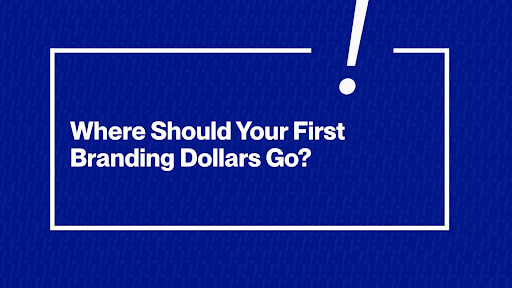
How to Become a Personal Branding Coach in India

Introduction

A personal branding coach is a person who is able to do the branding of individuals and businesses and helps them to achieve a faster rate of growth. There is no choice to become a personal branding coach but a necessity as it helps us to grow and excel in our fields.

Personal branding is really important in today’s era, the reason being, not only businesses but individuals also need branding if they want to survive in the market. Therefore, each and every person should have a basic idea as to how one can market himself and make his/her business stand out in the market.

Who Is a Personal Branding Coach?

The very first thing that we need to know is the meaning of a personal branding coach. A personal branding coach is someone who helps people to discover or to establish brands. He also helps to grow a brand. A strategy is followed to develop a brand that is mainly based on the capabilities of a person. The main point is to create an image of the brand which is realistic as well as balanced. It is a fact that everyone is unique and therefore, each and every brand is unique but the problem is that they do not have an idea as to how they can market themselves either online via the internet or offline.

A personal branding coach knows the steps that are required to build a brand. He also works on the inner and outer branding of a person. The difference that what a person is and what people expect or want him to be is filled by a personal coach.

What Does A Personal Branding Coach Bring In?

While it is an undeniable fact that personal branding brings a lot of perks to the table, it is also a reality that not everyone possesses the right skills. That’s where a personal branding strategist comes into the picture.

The coach can help in defining the perfect strategy to scale up your offerings and skills among the aspiring audience out there. Expect the help in making the people understand who the personal brand is, who is it catering to, what outshines it among other similar skill-set, and a lot more.

Simply put, the personal branding coach can assist in defining the below things-

  1. Who is the audience?
  2. What are the key offerings of the brand?
  3. What’s the major differentiating factor?
  4. What’s the engaging process and scope?
  5. How to comply with the brand messaging?

Along with these, there can be a plethora of more opportunities how a personal branding coach can be valuable.

How to Become a Personal Branding Coach?

The entire world is filled with a lot of personal branding coaches but it does not only involve social media following. It takes a lot of effort to become a personal branding coach. Here are some easy steps for you if you are passionate about branding and want to become a personal branding coach: –

  1. Educate YourselfThe very first step in becoming a personal branding coach is to educate yourself. You will have to study, research and familiarize yourself with as many aspects as possible. You need to understand the whole branding process, what is required to create a brand identity, what are the technical design aspects, creative writing, consumer behaviour, emotional aspects, competition, etc. It may sound like a lot of work but believe me, it is worth doing it. Try to learn all the individual elements and then apply them in a unique way.
  2. Build Your Own Brand- After educating yourself about the process of personal branding, the next step is to test your knowledge by building your own brand. You need to concentrate and work through the entire process step by step. It is suggested that you even design everything yourself, including the website. It would be really good if you will be having some basic graphic design skills and word-press skills.
  3. Try To Help Others and Build A Portfolio-Once you are completed with the first two steps, the next step is to gain some real experiences. With your own brand, social media, website and business cards, ask around your friends and in your family about someone who needs a personal branding coach. Do not get sad or lose confidence if you have to do some projects for free, you will be building a portfolio that is really important for you. After doing some projects for free, you can create some pictures or mock-ups and put them in a presentation and start to share with the people you think would help.
  4. Networking-Networking is one of the most important aspects of being a personal branding coach. The more people you know, the more beneficial it would be for you. Try to connect with everyone that you think can help you in future. Also try to connect with marketing professionals, small business owners, freelancers through your social media. However, you should remember that you do not have to spam them or force them to take your services. Instead of that, you should try to be helpful and offer value to their conversations. Be supportive, offer free advice, get creative and answer the people’s questions with some helpful tips.
  5. Grow Your social media- In today’s era, when everything is operating online, it becomes really important to build a good social media following, if you want to become a personal branding coach. The people will get to know about you and your services if they follow you and it will help you to set up a network for yourself easily.
  6. Sell Your Services- Try to package your services into well-organized, nicely designed and easy to understand packages. It will make you look much more organized and professional at the same time.
  7. Market Yourself- Here, marketing means to engage your audience, show your work constantly and sell your services. You can create content on a regular basis as it is a great way of marketing on social media and it helps to grow your following or audience. You can also go for some paid advertising options such as Facebook ads. It is really great as it helps you to reach your specific client.

Conclusion

Being a personal branding coach may sound easy but it is not really. A lot of people are trying to become a personal branding coach and therefore, it takes a lot of effort. Becoming a perfect personal branding coach that you are able to turn into a successful business, a career that can be sustained over decades, takes a lot more patience, commitment, dedication and work. But remember that if you are passionate about it, you will definitely get it. Keep going and give your best as it will bring you an immense amount of satisfaction in the end.

Top 10 Online Personal Branding Strategist

It has become clear that personal branding is important for both professionals and business owners. Developing a distinctive online identity may have a big impact on influence, commercial success, and career advancement. Online personal branding strategists now play a crucial role in this regard. 

These professionals are equipped with the know-how to successfully negotiate the digital terrain, strengthen particular businesses, and increase exposure. The top 10 online personal branding strategists—who have mastered digital branding and played a key role in creating brand success stories—are examined in this article.

Fundamentals Of Online Personal Branding Strategies

Online personal branding techniques essentially include creating a unified digital presence that accurately represents a person’s beliefs, skills, and personality. It entails making use of a variety of digital media to develop an engaging story, interact with a target audience, and set oneself apart in a crowded market.

In What Ways Do Online Personal Branding Strategists Aid in Brands’ Triumph?

Online personal branding strategists are essential in helping people and companies achieve brand success. Through their proficiency in digital marketing, content production, and strategic positioning, they assist clients in defining their distinct value proposition, enhancing their online visibility, and establishing deep relationships with their target audience, all of which contribute to the success of their brands.

Bhavik Sarkhedi 

Known for his cutting-edge tactics and unmatched inventiveness, Bhavik Sarkhedi is a dynamic force in the field of online personal branding and one of the top 10 digital marketing consultants. With a strong grasp of digital platforms, Sarkhedi assists people and companies in creating a unique online presence. 

Under his proficiency in content generation, search engine optimization, and social media interaction, he enables his customers to enhance their brand visibility and cultivate deep relationships with their target audience. Sarkhedi helps his clients stand out in a congested digital market with his all-encompassing approach to personal branding, which incorporates narrative, honesty, and strategic placement.

Tim Ferriss

Well-known author and businessman Tim Ferriss is praised for his ground-breaking understanding of productivity and personal growth. As a strategist for online personal branding, Ferriss uses his knowledge to enable people to realize their greatest potential. 

He encourages millions of people to adopt an optimized and self-improvement lifestyle through his best-selling books, podcasts, and online presence, making him one of the top 10 online personal branding strategist. By emphasizing honesty, innovation, and the unwavering pursuit of greatness, Ferriss’ strategic approach to personal branding leads his clients to long-term success in their particular industries.

Marie Forleo 

When it comes to personal branding and internet entrepreneurship, Marie Forleo is unmatched. She has created a booming multimedia empire that inspires others to build businesses and lives they love with her unyielding commitment and irresistible personality. 

Forleo is an online personal branding consultant who guides her clients in discovering their special talents and sharing their message with the world by fusing practical knowledge with contagious excitement. Her highly regarded B-School program and motivational material provide young entrepreneurs with the resources and attitude they need to succeed in the digital era.

Jasmine Star  

A leader in the domains of digital marketing and social media branding. Her distinctive combination of strategic acumen and genuineness enables influencers and businesses to leverage social media’s potential to enhance their brand visibility and draw in their target market. 

As a strategist for online personal branding, Star offers customers tailored advice and practical insights to help them develop an engaging online presence. She inspires people to use social media as a catalyst for growth and connection through her compelling stories and practical tactics.

Mark Schaefer

Renowned for his proficiency in digital branding and content marketing, Mark Schaefer is a successful author and marketing strategist with worldwide recognition. Schaefer assists people and organizations in navigating the constantly changing digital terrain with clarity and confidence in her capacity as one of the top 10 online personal branding consultant. 

By emphasizing authenticity, relevance, and value creation, he enables his clients to create lasting relationships and propel long-term success. By emphasizing community development, trust-building, and providing outstanding value, Schaefer’s strategic approach to personal branding helps his clients prosper in a market that is becoming more and more competitive.

Eric Ries 

Known for his ground-breaking Lean Startup technique, Eric Ries is a trailblazing figure in the fields of entrepreneurship and startup innovation. As a strategist for online personal branding, Ries offers a plethora of knowledge and expertise to assist people and companies in creating a strong online presence and a devoted fanbase. 

He highlights the value of experimentation, iteration, and ongoing learning with his practical approach to personal branding. Through strategic direction, Ries’ clients are able to embrace uncertainty, adjust to change, and take advantage of growth and innovation possibilities.

Talaya Waller 

Committed to assisting professionals in realizing their full potential and achieving their objectives, Talaya Waller is a dynamic speaker, author, and personal branding specialist. Waller works as an online personal branding consultant, fusing strategic thinking with a thorough grasp of human psychology to assist clients in creating engaging, real brands. 

Through her coaching programs, workshops, and online resources, she provides people with the skills and mentality necessary to stand out in a crowded market and leave a lasting impression. By emphasizing self-discovery, narrative, and strategic positioning, Waller’s all-encompassing approach to personal branding helps her clients establish a distinctive and significant online presence.

Michelle B. Griffin

Experienced in personal branding and marketing strategy, Michelle B. Griffin is driven to support people and companies in increasing their influence and impact. In her capacity as an online personal branding consultant, Griffin draws on her wealth of knowledge in brand strategy and digital marketing to assist clients in creating engaging, genuine tales that appeal to their target demographic. 

She encourages her customers to embrace their own skills, values, and passions and use them to create a strong online presence by using a customized approach to personal branding. Griffin’s customers are able to stand out in a crowded market and accomplish their objectives with assurance and clarity because of her strategic advice and practical insights, emerging as one of the top 10 online personal branding strategists.

Rebecca Ellison

Visionary businesswoman and personal branding strategist Rebecca Ellison is committed to assisting people in realizing their full potential and creating successful, mission-driven enterprises. In her role as an online personal branding consultant, Ellison helps clients build genuine, powerful brands by fusing strategic thinking with a profound grasp of human behavior. She enables people to amplify their voice, define their message, and establish a stronger connection with their audience through her transformative coaching programs and strategic consulting services. With a focus on alignment, honesty, and deliberate action, Ellison’s comprehensive approach to personal branding empowers her clients to effect real change and achieve long-term success.

Mary Henderson 

Known for her cutting-edge tactics and unmatched knowledge, Mary Henderson is a trailblazing leader in the fields of digital marketing and personal branding. Henderson helps people and organizations reach their objectives as an online personal branding consultant, enabling them to realize their greatest potential. 

Her customers benefit from her strategic advice and practical insights as they develop engaging brands that truly connect with their target market. Henderson’s all-encompassing approach to personal branding incorporates strategic positioning, narrative, and honesty to help her clients stand out in a crowded market and leave a lasting impression.

Summary 

This article’s top 10 online personal branding strategists embody the pinnacle of expertise in digital branding. Through their creative approaches, practical insights, and relentless dedication to achievement, they enable people and organizations to realize their greatest potential and realize their objectives. Whether you’re an experienced professional, an aspiring entrepreneur, or an established business owner, working with a reputable personal branding strategist may help you take advantage of new possibilities, make the most of your influence, and succeed long-term in the digital era.

FAQs

What exactly does a personal branding strategist do?

A personal branding strategist is a professional who helps individuals craft and manage their personal brand identity online. They provide guidance on defining a unique value proposition, developing a cohesive brand narrative, and leveraging various digital platforms to enhance visibility and reputation.

How can a personal branding strategist help me stand out in a competitive market?

Personal branding strategists employ tailored techniques to differentiate clients from competitors. They assess strengths, values, and aspirations, crafting a brand story that resonates with target audiences. Through strategic positioning, content creation, and online engagement, they elevate visibility and build credibility, fostering a distinctive brand presence.

What should I expect during a consultation with a personal branding strategist?

During an initial consultation, a personal branding strategist will likely conduct a comprehensive assessment of your current online presence, including social media profiles, website, and professional network. They’ll discuss your goals, values, and target audience, outlining a customized strategy to enhance your personal brand and achieve desired outcomes.

How long does it take to see results from personal branding strategies?

The timeline for seeing results from personal branding strategies varies depending on factors such as industry, target audience, and the extent of branding efforts. While some improvements may be noticeable relatively quickly, building a strong personal brand typically requires consistent effort over time, with measurable progress evident within several months to a year.

What qualifications should I look for when hiring a personal branding strategist?

When selecting a personal branding strategist, consider factors such as experience, expertise in digital marketing and brand strategy, client testimonials, and the ability to tailor strategies to your unique needs. Look for professionals with a track record of success in helping clients achieve their personal branding goals.

How can I measure the effectiveness of personal branding strategies?

Personal branding strategists like Bhavik Sarkhedi often use various metrics to gauge the effectiveness of their efforts, including online engagement metrics (such as website traffic, social media followers, and engagement rates), brand sentiment analysis, and feedback from target audiences. Regular evaluation and adjustment of strategies based on performance data are essential for optimizing results over time.

Branding Titans: 9 Experts Shaping 2025’s Brand View

Branding is changing faster than ever, and branding experts 2025 are the ones shaping how businesses and individuals stay relevant. Studies show that consistent branding increases revenue by 23%, and 72% of consumers expect brands to align with their values. With the digital advertising market projected to reach $786.2 billion by 2026, brands that fail to adapt risk fading into obscurity.

So, what defines branding trends 2025? How are top branding professionals rethinking engagement, identity, and storytelling? The answers lie in the strategies of brand innovators, marketing leaders, and digital branding experts who are redefining the way businesses connect with audiences.

This blog highlights branding experts 2025 who are leading this transformation, also known as Branding Titans. Whether you’re a business aiming to refine your brand identity or an entrepreneur building a personal brand, these brand consultants and personal branding specialists offer insights that can help you stand out.

The 9 Visionaries Leading Branding in 2025

9 Branding Experts 2025 – Detailed Overview:

Expert NameSpecializationNotable AchievementsBest Known For
Sahil GandhiBrand Strategy Consultant, Business Brand StrategyFounder of Blushush. a.k.a. Brand Professor, helps businesses and individuals establish a strong brand identity.Story-driven brand consultancy and strategic brand positioning.
Bhavik SarkhediPersonal Branding, Content StrategyFeatured in Forbes, The New York Times, founder of OhhMyBrand, Dad of Ad, and Write Right.SEO-driven personal branding and content-based brand positioning.
Hiroki AsaiCreative Branding, Marketing Strategy, Branding TitansFormer VP of Global Marketing at Apple, Global Head of Marketing at Airbnb.Merging creative storytelling with strategic brand messaging.
Youngme MoonBrand Differentiation, Consumer PsychologyHarvard Business School professor, author of “Different”.Challenging conventional branding and encouraging market disruption.
Venkatesh ShankarDigital Branding, AI-Driven BrandingProfessor at Southern Methodist University, expert in AI-powered branding strategies.Digital innovation and predictive branding analytics.
Margaret WolfsonBrand Naming, Linguistic BrandingFounder of River and Wolf, expert in name creation for Fortune 500 companies.Crafting unique brand names with emotional and cultural impact.
Vahid MehrinfarFuture Branding, Market TrendsKnown as a brand futurist, specializes in long-term brand sustainability strategies.Helping brands adapt to future industry trends.
Debbie MillmanBrand Identity, Design Strategy, Branding TitansHost of “Design Matters”, works with top brands on identity and storytelling.Combining design thinking with brand strategy for lasting impact.
David AakerBrand Equity, Brand ManagementCreator of the Aaker Model, author of multiple books on brand value.Measuring and optimizing brand equity for long-term success.

Branding success depends on strategy, innovation, and the ability to connect with audiences. These branding experts 2025 or we could say Branding Titans, are leading the charge, reshaping how businesses and individuals build their presence in an increasingly competitive market.

1. Sahil Gandhi – The Brand Professor

Sahil Gandhi – The Brand Professor, Branding Experts 2025, Branding trends 2025, top branding professionals

About Sahil Gandhi:

Sahil Gandhi known as Brand Professor is a brand consultant and branding strategist known for helping businesses and entrepreneurs create compelling narratives. As the founder of Blushush, he specializes in branding strategies development that blend storytelling with digital impact.

Achievements:

  • Founder of Blushush, a platform dedicated to industry and business branding.
  • Specializes in brand strategy workshop for entrepreneurs and startups.
  • Helps businesses create brand storytelling that connects with target audiences.

Best Known For:

Sahil Gandhi is recognized for his expertise in brand identity design and creating digital-first branding solutions that help businesses differentiate themselves.

2. Bhavik Sarkhedi – Master of Personal Branding

Bhavik Sarkhedi – Master of Personal Branding, branding strategies, brand innovators, marketing leaders

About Bhavik Sarkhedi:

Bhavik Sarkhedi is a content strategist, personal branding expert, and entrepreneur with a track record of helping brands establish a strong digital presence. He is counted among branding titans and has authored multiple books and founded successful personal branding agencies.

Achievements:

  • Featured in Forbes, The New York Times, and Entrepreneur for his branding insights.
  • Founder of OhhMyBrand, Dad of Ad, and Write Right.
  • Written over 2000+ articles for leading publications.

Best Known For:

Bhavik Sarkhedi is best known for his expertise in personal branding strategies and personal brand building, helping businesses optimize their brand management through high-impact content and storytelling.

3. Hiroki Asai – Merging Creativity with Strategy

Hiroki Asai – Merging Creativity with Strategy,  brand consultants, personal branding specialists, digital branding experts

About Hiroki Asai:

A veteran in brand storytelling, Hiroki Asai has led branding efforts for global companies like Apple and Airbnb, focusing on authentic engagement and innovative campaigns.

Achievements:

  • Former VP of Global Marketing at Apple.
  • Global Head of Marketing at Airbnb.
  • Known for his work in brand identity design and creative direction.

Best Known For:

Hiroki Asai is best known for his ability to craft brand storytelling that resonates deeply with audiences.

4. Youngme Moon – Academic Insight Driving Practical Change

About Youngme Moon:

A respected researcher and branding strategist, Youngme Moon is a Harvard professor whose work in branding trends 2025 continues to shape business strategies.

Achievements:

  • Donald K. David Professor at Harvard Business School.
  • Author of the book “Different”, which challenges traditional branding methods.
  • Expert in brand positioning and differentiation.

Best Known For:

Youngme Moon is known for her unconventional approach to branding, helping companies rethink their brand management strategies to stand out in crowded markets.

5. Venkatesh Shankar

About Venkatesh Shankar:

A specialist in digital branding experts and branding titans, Venkatesh Shankar focuses on technology-driven branding and marketing innovation.

Achievements:

  • Professor at Southern Methodist University.
  • Published research on branding strategies in digital marketing.
  • Key speaker at international branding conferences.

Best Known For:

Venkatesh Shankar is recognized for his deep expertise in brand management experts, helping businesses navigate the shift toward AI-powered branding.

6. Margaret Wolfson 

About Margaret Wolfson:

Margaret Wolfson is a brand consultant and naming expert, specializing in linguistic-driven branding strategies.

Achievements:

  • Founder of River and Wolf, a global brand naming agency.
  • Worked with Fortune 500 brands on branding identity projects.
  • Expert in brand storytelling through name creation.

Best Known For:

Wolfson is best known for her expertise in brand identity design and the psychological impact of branding names.

7. Vahid Mehrinfar

About Vahid Mehrinfar:

A brand futurist, Vahid Mehrinfar focuses on helping companies anticipate and adapt to market changes.

Achievements:

  • Recognized expert in branding trends 2025 and market forecasting.
  • Works with companies to refine brand management experts strategies.
  • Consults on the future of digital branding experts.

Best Known For:

Mehrinfar is known for helping businesses future-proof their brand identity, ensuring long-term relevance.

8. Debbie Millman

About Debbie Millman:

A respected figure in brand identity design, Debbie Millman blends creativity with brand strategy to create lasting impressions.

Achievements:

  • Host of “Design Matters”, a leading podcast on branding.
  • Author of multiple books on brand storytelling.
  • Worked with global brands on visual branding.

Best Known For:

Debbie Millman is best known for her impact on brand identity designers, bridging the gap between design and branding strategy.

9. David Aaker

About David Aaker:

David Aaker is one of the most respected voices in brand management experts, shaping the foundation of modern branding principles.

Achievements:

  • Developed the Aaker Model for brand equity.
  • Author of best-selling books on branding strategies.
  • Served as Vice Chairman of Prophet, a branding consultancy.

Best Known For:

David Aaker is known as a pioneer in brand management, helping businesses measure and optimize brand value.

What to Expect from These Branding Experts in 2025

brand storytelling, brand identity designers, brand futurists

The branding world is shifting, and these branding experts 2025 are driving the changes that businesses and individuals need to stay relevant. With AI, social media evolution, and consumer expectations reshaping branding trends 2025, here’s what to expect from these top branding professionals in the coming year.

1. Sahil Gandhi – The Rise of Story-Driven Personal Branding

Consumers no longer connect with faceless brands. They want to engage with personalities, branding titans, and branding consultant specialists like Sahil Gandhi are ensuring businesses adapt. Through Brand Professor, he is expected to push deeper into brand storytelling, helping professionals build authentic identities that stand out in crowded markets.

2. Bhavik Sarkhedi – SEO-Driven Branding for Visibility

With Google’s algorithm updates focusing more on authority and expertise, digital personal branding experts must rethink how they position themselves online. Bhavik Sarkhedi will continue refining SEO-driven personal branding strategies, ensuring brands not only have a strong message but also rank high in search results.

3. Hiroki Asai – Creative Branding with a Human Touch

While automation and AI continue to take over, Hiroki Asai is expected to reinforce the importance of human-centric branding. His focus on brand identity design through in-house creative teams will shape how businesses communicate their values.

4. Youngme Moon – Breaking the Branding Mold

Conventional branding strategies are being questioned, and Youngme Moon is at the forefront of challenging industry norms. In 2025, expect her research to push brands toward bold differentiation, moving away from generic marketing approaches.

5. Venkatesh Shankar 

AI will continue transforming brand management experts’ playbooks. Venkatesh Shankar will focus on predictive branding analytics, where businesses can anticipate market shifts before they happen. AI-driven personalization will become key in branding success.

6. Margaret Wolfson

Brand names play a significant role in audience perception. Margaret Wolfson will continue refining linguistic branding strategies, helping brands craft names that hold emotional value while being culturally adaptable.

7. Vahid Mehrinfar

Companies that fail to plan for upcoming shifts struggle to stay relevant. As a brand futurist, Vahid Mehrinfar will help businesses embrace trend-driven branding, ensuring they stay ahead of industry changes.

8. Debbie Millman

A brand’s visual identity speaks volumes. In 2025, expect Debbie Millman to influence brand identity designers by combining design thinking and branding strategies, ensuring businesses craft logos, visuals, and messaging that work together seamlessly.

9. David Aaker

Brand equity remains a vital metric for long-term success. David Aaker’s models will evolve to address the shifting consumer-brand relationship, providing frameworks for businesses to measure and sustain their brand value.

Conclusion

brand management experts, top branding professionals, Branding Experts 2025

In 2025, branding is about developing trust rather than just recognition, credibility, and a lasting connection with the audience. Businesses that refine their branding strategies and focus on authentic engagement will position themselves ahead of the competition.

Experts like Sahil Gandhi and Bhavik Sarkhedi are redefining how brands establish authority and create a strong presence in digital spaces. Their insights emphasize the role of brand storytelling, consistency, and strategic visibility in shaping consumer perception.

As market trends shift and technology continues to influence branding approaches, businesses must align their brand identity, messaging, and digital presence with increasing consumer expectations. The brands that invest in innovation and adaptability will gain a stronger foothold, while those resistant to change risk being left behind.

The future of branding belongs to those who take action. Whether it’s refining positioning, enhancing customer experience, or leveraging new tools, every step taken toward a stronger brand matters.

People also asked

1. What are the key branding trends to watch in 2025?

Branding trends 2025 focus on personal branding specialists, brand storytelling, and AI-driven engagement. Top branding professionals emphasize sustainability, authenticity, and digital integration. Businesses investing in brand identity designers and brand management experts will build stronger connections, ensuring long-term consumer trust and loyalty.

2. How can small businesses compete with larger brands in 2025?

Small businesses can excel by leveraging branding strategies that focus on personal branding specialists, brand innovators, and brand consultants. A strong brand storytelling approach, community-driven engagement, and digital-first marketing help brand identity designers create a competitive presence against industry giants.

3. Who are some emerging branding experts to follow in 2025?

Branding experts 2025 shaping the industry include Sahil Gandhi, a personal branding specialist and founder of Brand Professor, and Bhavik Sarkhedi, an expert in brand storytelling and SEO-driven branding. These brand consultants offer insights on positioning, digital growth, and brand management experts’ role in success.

4. How is AI influencing branding strategies in 2025?

Digital branding experts are integrating AI for branding strategies like predictive analytics, brand storytelling, and personalized marketing. Brand consultants use AI-driven insights to refine brand management experts’ strategies, ensuring branding trends 2025 align with consumer behavior and automated digital outreach.

5. What role does sustainability play in branding for 2025?

Branding experts 2025 highlight sustainability as a key factor in brand management experts’ strategies. Consumers prioritize brands with transparent eco-friendly practices. Brand identity designers are integrating sustainability into packaging, messaging, and operations to strengthen trust and differentiate brands in competitive markets.

6. How important is personal branding for professionals in 2025?

Personal branding specialists emphasize that visibility in branding trends 2025 depends on strategic positioning. Brand consultants help professionals refine their online presence, develop brand storytelling, and establish credibility. Engaging with brand identity designers enhances recognition and opportunities in competitive industries.

7. What are effective strategies for rebranding in 2025?

Branding experts 2025 recommend rebranding through strong brand storytelling, digital-first positioning, and strategic audience engagement. Top branding professionals use brand management experts’ insights to ensure consistency, while brand identity designers refine logos, messaging, and tone to align with evolving consumer expectations.

8. How can brands maintain authenticity in 2025?

Brand innovators maintain authenticity through brand storytelling, transparent communication, and audience-driven engagement. Brand consultants help businesses align messaging with values, ensuring branding trends 2025 reflect consumer trust. Brand management experts reinforce credibility by prioritizing genuine connections over traditional marketing tactics.