The Future of SEO: Insights from Top 15 Professional SEO Coaches

SEO is changing rapidly, driven by technological advances and evolving user behaviors. For businesses to stay ahead, it’s essential to understand and adapt to future SEO trends.

This blog features insights from fifteen leading SEO coaches, offering their predictions and advice on what to expect in the coming years. 

From the role of AI and machine learning to the growing significance of trustworthiness and the rise of social and video search, these experts provide valuable perspectives on the future of SEO.

#SEO CoachKnown ForWebsiteLocation
1Rand FishkinCo-founder of Moz and SparkToro; expert in content marketing and audience intelligence.SparkToroSeattle, WA, USA
2Neil PatelCo-founder of Neil Patel Digital; specializes in digital marketing and SEO strategies.Neil PatelLas Vegas, NV, USA
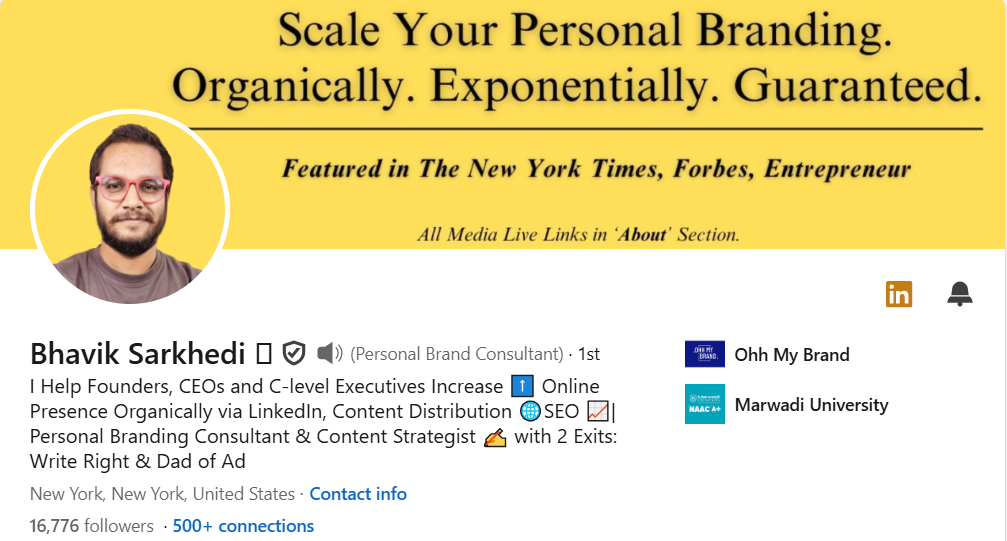
3Bhavik SarkhediFounder of OhhMyBrand, Write Right; known for content writing and personal branding expertise.OhhMyBrandAhmedabad, India
4Lily RaySEO Director at Path Interactive; focuses on E-E-A-T and algorithm updates.Path InteractiveNew York, NY, USA
5Barry SchwartzCEO of RustyBrick; renowned for search engine news and analysis.Search Engine RoundtableNew York, NY, USA
6Marie HaynesExpert in Google penalties and algorithm updates; specializes in site quality assessments.Marie Haynes ConsultingOttawa, Canada
7Brian DeanFounder of Backlinko; authority on link building and on-page SEO techniques.BacklinkoBoston, MA, USA
8Eric EngePrincipal at Perficient Digital; known for deep technical SEO and content marketing.Stone Temple ConsultingBoston, MA, USA
9Ann SmartyCommunity Manager at Internet Marketing Ninjas; expert in content strategy and guest blogging.Internet Marketing NinjasNew York, NY, USA
10Cyrus ShepardFounder of Zyppy; specializes in on-page SEO and user experience optimization.MozSeattle, WA, USA
11Kristine SchachingerFounder of Sites Without Walls; focuses on technical SEO and site architecture.Sites Without WallsLas Vegas, NV, USA
12Glenn GabePresident of G-Squared Interactive; expert in SEO audits and algorithm analysis.G-Squared InteractiveFreehold, NJ, USA
13Greg GiffordVice President of SearchLab; specializes in local SEO and automotive SEO.SearchLabDallas, TX, USA
14Joy HawkinsFounder of Sterling Sky; authority on local SEO and Google My Business optimization.Sterling SkyToronto, Canada
15Darren ShawFounder of Whitespark; known for local search and citation building strategies.WhitesparkEdmonton, Canada

Understanding future trends is key to staying competitive. Insights from these top SEO coaches will help you navigate the complexities of the evolving SEO landscape. Whether it’s AI, trustworthiness, or social and video search, the future of SEO holds exciting opportunities for those prepared to adapt.

AI and Machine Learning in SEO: Insights from SEO Coaches

AI in SEO, SGE SEO, Chatbots SEO, Generative search SEO, E-E-A-T, voice search optimization, video SEO, local SEO, hyperlocal SEO, search engine diversification, user intent, semantic search, zero-click searches

1. Rand Fishkin: AI in Keyword Research and Content Optimization

Rand Fishkin emphasizes the growing role of AI in SEO. AI tools, such as Google’s Search Generative Experience (SGE), are revolutionizing keyword research and content optimization. Fishkin believes that AI’s ability to automate repetitive tasks and enhance user experience is a game-changer for the future of SEO.

2. Neil Patel: Personalizing User Experiences with AI

Neil Patel highlights how AI can personalize user experiences and create data-driven content strategies. He predicts that AI will enable more precise targeting and better performance metrics, helping businesses stay competitive. Patel’s insights underscore the importance of integrating AI into SEO strategies to stay ahead of the curve.

3. Bhavik Sarkhedi: Transforming Content Creation with AI

Bhavik Sarkhedi discusses how AI will transform content creation and SEO strategies. He believes AI will enable more personalized and efficient content, helping businesses stay relevant in a tech-driven world. Sarkhedi’s perspective on AI in SEO trends highlights the need for businesses to adapt to these technological advancements.

E-E-A-T: The Growing Importance of Trustworthiness

4. Lily Ray: Impact of E-E-A-T on SEO

Lily Ray explains the impact of Google’s E-E-A-T (Experience, Expertise, Authoritativeness, and Trustworthiness) on SEO, especially for YMYL (Your Money or Your Life) topics. Trustworthiness is crucial for ranking, and businesses need to focus on quality content. Ray’s insights into E-E-A-T are essential for understanding future SEO trends.

5. Barry Schwartz: Enhancing E-E-A-T for Better Rankings

Barry Schwartz advises on enhancing E-E-A-T by sourcing content from recognized experts, obtaining quality backlinks, and maintaining transparency and accuracy in information. His advice is vital for businesses aiming to improve their SEO performance and build trustworthiness.

6. Marie Haynes: Building Credibility through Trustworthy Content

Marie Haynes stresses the importance of Trustworthiness as a key ranking factor. She shares tips on building credibility through consistent and reliable content that aligns with Google’s guidelines. Haynes’ insights into E-E-A-T emphasize the need for businesses to prioritize trustworthiness in their SEO strategies.

Social and Video Search: New Frontiers in SEO

7. Brian Dean: Optimizing for Social Search

Brian Dean discusses the rise of social search and the importance of optimizing for platforms like Instagram and TikTok. He highlights the growing trend of users turning to social media for product discovery. Dean’s insights into social search trends are crucial for understanding the future of SEO.

8. Eric Enge: The Impact of Video Content on SEO

Eric Enge talks about the increasing demand for video content and its impact on SEO. He shares strategies for optimizing video content to improve search rankings and user engagement. Enge’s perspective on video SEO trends highlights the need for businesses to invest in video content.

9. Ann Smarty: Creating Engaging Multimedia Content

Ann Smarty shares insights on creating engaging content for social and video platforms. She emphasizes the need for multimedia content to attract and retain audience attention. Smarty’s advice on video SEO is valuable for businesses looking to enhance their online presence.

Adapting to Zero-Click Searches and Featured Snippets
People near huge paper tablet with report of water flow and checkboxes analyzing data. Water management, ecology, IoT and smart city concept, violet palette. Vector illustration on white background.

10. Cyrus Shepard: Optimizing for Zero-Click Searches

Cyrus Shepard highlights the trend of zero-click searches and how to optimize content to appear in featured snippets. He suggests structuring content to provide clear and direct answers to common queries. Shepard’s insights into zero-click searches are essential for future SEO strategies.

11. Kristine Schachinger: Maintaining Engagement Despite Zero-Click Searches

Kristine Schachinger provides tips on maintaining engagement despite reduced click-through rates due to zero-click searches. She emphasizes the importance of high-quality, informative content. Schachinger’s perspective on zero-click searches is valuable for businesses adapting to this trend.

12. Glenn Gabe: Strategies for Capturing User Interest

Glenn Gabe discusses the impact of zero-click searches on website traffic and shares strategies for capturing user interest and maintaining visibility in search results. Gabe’s insights into zero-click searches are crucial for businesses looking to stay competitive.

The Role of Local and Hyperlocal SEO

13. Greg Gifford: Importance of Local SEO for Small Businesses

Greg Gifford talks about the importance of local SEO for small businesses and how hyperlocal SEO can target specific neighborhoods or communities. He emphasizes optimizing Google My Business profiles and engaging with local customers through localized content. Gifford’s insights into local SEO trends are essential for small businesses.

14. Joy Hawkins: Enhancing Local Search Visibility

Joy Hawkins explains strategies for enhancing local search visibility, such as obtaining local reviews, using location-specific keywords, and participating in community events. Hawkins believes that hyperlocal SEO will become increasingly important as search engines continue to prioritize local results. Her insights into local SEO are valuable for businesses looking to improve their local presence.

15. Darren Shaw: Building a Strong Local Online Presence

Darren Shaw shares insights on the future of local SEO, highlighting the need for businesses to focus on building a strong local online presence and leveraging local SEO tools to track performance and make data-driven decisions. Shaw’s advice on local SEO trends is crucial for businesses aiming to enhance their local visibility.

Conclusion

The future of SEO is set to be shaped by several key trends and advancements. AI and machine learning are playing an increasingly vital role, as highlighted by experts like Rand Fishkin, Neil Patel, and Bhavik Sarkhedi. These technologies are transforming keyword research, content optimization, and personalization, making them crucial components of future SEO strategies.

Understanding the importance of E-E-A-T (Experience, Expertise, Authoritativeness, and Trustworthiness) is also critical. SEO coaches such as Lily Ray, Barry Schwartz, and Marie Haynes emphasize the need for businesses to build credibility and trust through high-quality content. This focus on trustworthiness will be a determining factor in search rankings.

The rise of social and video search is another significant trend. Experts like Brian Dean, Eric Enge, and Ann Smarty stress the importance of optimizing for platforms like Instagram, TikTok, and YouTube. Video content is becoming a dominant force in SEO, and businesses need to adapt to this shift to stay competitive.

Zero-click searches and featured snippets are changing how users interact with search results. SEO coaches Cyrus Shepard, Kristine Schachinger, and Glenn Gabe provide insights on how to optimize for these trends, ensuring businesses can capture user interest even when click-through rates are reduced.

Local and hyperlocal SEO are also gaining importance. Experts like Greg Gifford, Joy Hawkins, and Darren Shaw highlight the need for businesses to focus on local search visibility and community engagement. Optimizing Google My Business profiles and leveraging local SEO tools are essential strategies for enhancing local online presence.

By staying updated with these SEO insights and trends from leading experts, businesses can maintain a competitive edge. Adapting to changes in AI, E-E-A-T, social and video search, zero-click searches, and local SEO will be crucial for success in the ever-evolving world of digital marketing.

The insights shared by these 15 professional SEO coaches offer a clear perspective on the future of SEO. Adapting to change, staying innovative, and focusing on user intent will define success in this field.

By combining data-driven strategies with creativity, businesses can craft approaches that stand out and deliver real results. Continuous learning and applying forward-thinking techniques will help professionals stay ahead in a competitive market.

The future of SEO is full of opportunities for those who remain proactive and flexible. Experts like Bhavik Sarkhedi have shown that focusing on value and relevance will continue to be the cornerstone of effective SEO strategies. Embrace these lessons, and you’ll be ready to thrive in the dynamic world of search optimization.

FAQs

1. What is the impact of AI on SEO?

AI is revolutionizing SEO by automating tasks such as keyword research and content optimization. SEO coaches like Rand Fishkin and Neil Patel highlight that AI tools, including Google’s Search Generative Experience (SGE), are enhancing user experience and enabling more precise targeting. AI in SEO also helps in creating data-driven content strategies, making it an indispensable part of future SEO trends.

2. How does E-E-A-T influence search rankings?

E-E-A-T (Experience, Expertise, Authoritativeness, and Trustworthiness) is a critical factor in determining search rankings. Experts like Lily Ray and Barry Schwartz emphasize that Google prioritizes high-quality, trustworthy content. Businesses need to focus on building credibility by sourcing content from recognized experts, obtaining quality backlinks, and maintaining transparency and accuracy. E-E-A-T is essential for improving SEO performance and staying competitive.

3. What are zero-click searches?

Zero-click searches occur when users find the information they need directly on the search results page without clicking any links. SEO coaches Cyrus Shepard and Kristine Schachinger explain that optimizing for featured snippets and providing clear, direct answers to common queries can help businesses adapt to this trend. Despite reduced click-through rates, maintaining high-quality, informative content is crucial for engaging users.

4. How can businesses optimize for video search?

Video content is becoming increasingly important in SEO. Experts like Eric Enge and Ann Smarty suggest optimizing video content by focusing on relevant keywords, creating engaging thumbnails, and providing detailed descriptions. Platforms like YouTube and social media channels like Instagram and TikTok are vital for video SEO. Investing in video content and ensuring it is optimized for search can significantly improve search rankings and user engagement.

5. What is the importance of local and hyperlocal SEO?

Local and hyperlocal SEO are crucial for small businesses targeting specific neighborhoods or communities. SEO coaches Greg Gifford and Joy Hawkins highlight the importance of optimizing Google My Business profiles, obtaining local reviews, and using location-specific keywords. Hyperlocal SEO focuses on highly targeted areas, making it essential for businesses to engage with their local communities and enhance their local search visibility. Darren Shaw emphasizes that leveraging local SEO tools and building a strong local online presence are key strategies for success.

6. How does mobile optimization impact SEO?

Mobile optimization is crucial for SEO, as search engines like Google prioritize mobile-friendly websites. With the majority of users accessing the internet via mobile devices, ensuring your site is responsive improves user experience and boosts search rankings. SEO coaches emphasize the importance of mobile optimization in achieving better visibility and engagement.

7. What role does user experience (UX) play in SEO?

User experience significantly influences SEO performance. Factors such as site speed, intuitive navigation, and engaging content lead to longer visit durations and lower bounce rates. Search engines interpret these positive user interactions as indicators of quality, potentially improving your site’s ranking. SEO experts advise focusing on UX to enhance both user satisfaction and search visibility.

8. How important is content freshness for SEO?

Regularly updating your website with fresh, relevant content signals to search engines that your site is active and valuable to users. This can lead to improved rankings, especially for topics where information changes frequently. SEO professionals recommend maintaining a consistent content update schedule to keep your audience engaged and attract new visitors.

9. What is the significance of HTTPS in SEO?

HTTPS (HyperText Transfer Protocol Secure) encrypts data between the user’s browser and your website, ensuring secure communication. Search engines favor secure sites, and having HTTPS can boost your SEO rankings. Additionally, users are more likely to trust and engage with websites that are marked as secure, enhancing overall user experience.

Incorporating these strategies into your SEO efforts can lead to improved search engine performance and a better user experience.

Should You Pay $1000 for a 1000-word Blog Post?

I often see the question pop up: “Is it worth paying $1000 for a 1000-word blog post?” Let me cut straight to the point—$1 per word is way overpriced. As someone who’s been in the content creation industry for years, I can tell you that even at $0.4 per word, you can get high-quality, SEO-optimized content that delivers real results.

Why Some Charge $1000 for a Blog Post?

There are writers and agencies out there charging $1000 for a 1000-word blog post. Why? They argue it’s about the expertise, SEO benefits, and extensive research that justify the price. 

But let’s be real—charging that much often includes inflated promises and the perceived value of their work, not necessarily the tangible results you’ll get.

Don’t get me wrong, quality content is important, but does it have to come at such a premium? The reality is, much of what you’re paying for is their brand, not the blog itself.

 I’ve seen businesses fall into this trap, thinking they need to shell out thousands for a single post to get results. But that’s not true.

$400 Can Get You High-Quality Blog Posts

Should You Pay $1000 for a 1000-word Blog Post?

Let me tell you why $400 for a 1000-word blog post is not just a fair deal, but it’s the smart deal. At $0.4 per word, you’re getting a well-researched, SEO-optimized blog that can compete with those $1000 posts—without the heavy price tag. I don’t just throw words onto a page; I craft content that’s engaging, informative, and ranks well in search engines.

For $400, here’s what you’re getting:

  • Thorough research: I take the time to understand your niche and audience.
  • SEO optimization: This includes targeted keywords, proper headers, and meta tags that will help your post rank higher.
  • Engaging, professional writing: You’re not just buying content—you’re investing in copy that converts.

Why $400 is the Perfect Price for Your 1000-word Blog?

Let’s break it down. The market rate for most freelance writers ranges between $0.10 to $0.50 per word. I charge $0.4 per word because I believe in delivering quality without overcharging. When you pay $400, you’re getting all the necessary elements of a strong blog post:

  • SEO optimization: Keyword research, meta descriptions, alt texts, and internal linking.
  • Professional editing: One round of revisions to make sure it’s perfect.
  • Research and thought leadership: The content isn’t just fluff. It’s insightful and relevant to your audience.

Why overpay when you can get top-tier quality for a reasonable price?

SEO Optimization: It Shouldn’t Cost You $1000

I know how important SEO is to you. Every blog I write is SEO-optimized from the ground up. But here’s the truth: SEO doesn’t justify a $1000 price tag. Optimizing a blog post involves smart keyword integration, proper formatting, and meta tags, all of which I include in the $400 package.

When you’re paying $1000 for a blog post, what’s really happening is that you’re overpaying for something that’s part of basic content strategy. SEO isn’t magic—it’s a process, and a fairly straightforward one at that.

The ROI of a $400 Blog Post

The ROI of a $400 Blog Post

You might be wondering, “How does a $400 blog post compare to a $1000 one in terms of return on investment?” Here’s the kicker: you can expect the same (if not better) ROI from a $400 blog as you would from a $1000 one.

With a properly crafted blog at $400:

  • You’ll get increased traffic due to the SEO strategies I employ.
  • The engaging content will improve your bounce rates and lead to conversions.
  • Regularly publishing at $400 per post will help build consistency, which is the real secret to boosting your site’s authority over time.

A $1000 blog won’t magically perform better—it’s the consistency of quality content that wins.

How to Choose the Right Writer for $0.4 per Word

So, how do you make sure you’re getting quality at $0.4 per word? Here’s what you should look for:

  • Proven Portfolio: Make sure the writer has samples in your industry.
  • SEO Knowledge: Ask about their SEO practices and ensure it’s part of the package.
  • Niche Experience: Writers familiar with your industry will deliver better content.

By paying $400 for a 1000-word blog post, you’re working with a writer who values your time and budget while still delivering content that performs well.

Conclusion: Quality Doesn’t Have to Cost $1000

human writing a blog

I’ll leave you with this: you don’t need to pay $1000 for a 1000-word blog post to get quality content. For just $400, I can offer you an SEO-optimized blog that’s engaging, relevant, and designed to convert. Why overpay when you can get more value for less?

If you’re ready to get started with affordable, high-quality blogs, let’s talk.

FAQs

How much does a 1000-word blog post cost?

A 1000-word blog post typically costs between $100 and $1000, depending on the writer’s experience, niche, and SEO requirements. Many professional writers charge around $0.10 to $0.50 per word, while premium writers may charge $1 per word. I recommend investing $400 for a well-researched, SEO-optimized blog post to get excellent quality without overpaying.

How much should I charge for a 1000-word article in India?

In India, the typical rate for a 1000-word article ranges from ₹2,000 to ₹7,000, depending on the writer’s expertise and niche. Beginners often charge around ₹2 per word, while experienced SEO writers may charge ₹5-7 per word. Charging ₹4 per word for quality content ensures fair compensation for both writers and clients.

How much to charge for a blog post of 500 words?

A 500-word blog post usually costs between $50 and $250, depending on the writer’s skill level and SEO needs. For mid-tier quality, $0.4 per word is a good rate, translating to around $200 for a well-optimized post that meets business goals.

How long does a 1000-word blog post take?

Writing a 1000-word blog post typically takes 3 to 5 hours, depending on the research, complexity, and SEO optimization involved. If deep research or industry expertise is required, it may take longer. A well-crafted, SEO-optimized blog takes time to ensure quality and ranking potential.

How many words is a successful blog post?

Successful blog posts range from 1000 to 2500 words. Longer, detailed posts tend to perform better in search rankings, but 1000 words of well-optimized, concise content can also drive strong engagement. The ideal length depends on the topic and target audience, but quality always trumps quantity.

How I Increased My LinkedIn Network by 200% in Just 3 Months

LinkedIn has become the ultimate platform for professional networking. It’s where career paths are shaped, opportunities are born, and valuable relationships are built. 

Whether you’re an entrepreneur, a freelancer, or a corporate professional, having a strong LinkedIn network can unlock new doors for collaborations, partnerships, and career advancements. But simply being on the platform isn’t enough. To truly benefit, you need to actively grow and nurture your connections.

In just three months, I was able to increase my LinkedIn network by a staggering 200%. I achieved this by following a set of practical strategies that focused on optimizing my profile, engaging consistently with my industry, and connecting with the right people. These weren’t just theoretical tips—they were actions that led to real results, and they can work for anyone serious about LinkedIn growth.

In this blog, I’ll walk you through the steps I took to make this happen, from enhancing my profile to strategically sending connection requests. By the end, you’ll have a clear roadmap on how to increase your LinkedIn network and elevate your professional presence.

Optimising Your LinkedIn Profile for Maximum Impact

Your LinkedIn profile is your digital business card—it’s the first impression you make on potential connections. 

Optimizing it is crucial if you want to know how to increase LinkedIn network effectively. 

Here’s how I revamped my profile to attract the right audience and double my connections by 200%.

1. Craft a Compelling Headline

Your headline is one of the first things people notice on your profile. It’s more than just your job title—it’s an opportunity to showcase your expertise and professional goals. 

By using keywords relevant to your industry, like “Marketing Expert” or “Software Engineer Specializing in AI,” you’ll appear in more LinkedIn searches. 

I tailored my headline with the keywords people in my niche were likely to search for, a crucial step in LinkedIn growth strategies.

2. Write a Detailed Summary

Your summary is your chance to tell your story. Instead of a generic bio, focus on highlighting what you bring to the table. 

I reworked mine to showcase my achievements, skills, and professional goals. Including specific keywords such as LinkedIn networking tips and grow LinkedIn connections in your summary helps increase visibility in searches, making it easier for people to find you.

3. Use a Professional Profile Picture

First impressions matter, and on LinkedIn, your profile picture is a big part of that. 

Make sure it’s a high-quality, professional image that aligns with your personal brand. 

Profiles with photos receive significantly more connection requests, which is critical if you’re looking to grow LinkedIn connections.

4. Showcase Your Skills with Keywords

The skills section is another major area for boosting your profile visibility. 

I updated my skills to reflect my expertise in areas such as “Content Marketing,” “SEO,” and “Leadership,” which not only strengthened my profile but also helped it rank higher in searches. 

When recruiters or potential connections search for these skills, I now appear more frequently, helping to increase my LinkedIn network.

5. Get Endorsements and Recommendations

Endorsements and recommendations add credibility to your profile. 

I made it a point to request endorsements from colleagues and clients, ensuring that they endorse skills directly tied to the professional areas I wanted to grow in. 

Recommendations also serve as testimonials that further strengthen your LinkedIn for professionals profile.

By following these steps, I significantly improved my profile’s attractiveness, positioning myself for optimal networking results.

Consistent Engagement and Content Sharing

LinkedIn networking tips, grow LinkedIn connections, LinkedIn growth strategies, LinkedIn for professionals

A key part of learning how to increase LinkedIn network is through consistent engagement and content sharing. 

LinkedIn rewards active users who regularly interact with others, and this interaction is crucial for visibility. 

In my experience, staying engaged daily was one of the most important LinkedIn growth strategies that contributed to my 200% network increase.

1. Interact with Industry Posts

Engaging with posts from professionals in your industry shows LinkedIn’s algorithm that you’re an active participant in relevant conversations. 

Each time I liked, commented, or shared a post, it expanded my visibility to that person’s network, allowing me to grow LinkedIn connections organically. 

By adding thoughtful comments on posts from industry leaders, I positioned myself as someone worth connecting with, which resulted in many new requests.

2. Post Original Content

Original content is king on LinkedIn. Whether it’s a quick post sharing an insight or a longer article, I made it a point to share content regularly. 

My posts covered industry trends, personal experiences, and LinkedIn networking tips, which attracted engagement from both my existing network and people outside of it. 

Posting consistently helped establish me as a thought leader, a key aspect of LinkedIn for professionals who want to boost their presence.

3. Leverage LinkedIn Articles

LinkedIn’s publishing platform allows users to share articles, which can drive even more engagement. 

By writing longer-form content, I was able to share deep insights and experiences that resonated with my network. 

My articles focused on LinkedIn growth strategies, career development, and networking tips, which garnered a lot of views, comments, and shares. 

Articles on LinkedIn have a longer shelf life than typical posts, which meant my content continued to bring me visibility and new connections long after I posted it.

4. Engage with Your Network

It’s not enough to just post and comment; you need to actively engage with the connections you already have. 

I regularly messaged new and existing connections, congratulated them on career milestones, and participated in group discussions. 

This consistent engagement kept me top-of-mind for my connections and ensured that my network continued to grow. 

By building strong relationships, I turned many of these interactions into professional collaborations.

By combining these engagement techniques with consistent content sharing, I was able to significantly grow LinkedIn connections in just three months. 

Continuous activity on the platform proves that you’re dedicated, helping you build a network that will serve you long-term.

Strategic Networking Through Connection Requests

how to increase LinkedIn network

Strategic networking is a game-changer when learning how to increase LinkedIn network effectively. 

Sending out connection requests may seem like a basic step, but doing it right can make a huge difference in growing your network. When I aimed to increase my 

LinkedIn network by 200%, I focused on strategically targeting the right people and sending personalized connection requests to boost my acceptance rate.

1. Target Industry-Specific Professionals

One of the key LinkedIn growth strategies I used was to target professionals within my industry and niche. 

Instead of sending random connection requests, I searched for people who were either directly or indirectly related to my field. 

By filtering through job titles, industries, and mutual connections, I was able to pinpoint individuals who would be valuable additions to my professional network. 

This strategic approach helped me to grow LinkedIn connections with people who could provide career insights, open collaboration opportunities, or introduce me to new contacts.

2. Personalize Your Connection Requests

A personalized connection request is far more likely to be accepted than a generic one. 

I tailored each connection message to the individual, referencing mutual connections, shared interests, or their professional accomplishments. 

For instance, when connecting with someone after an industry event, I mentioned that we met there, adding a personal touch. 

This simple effort drastically improved my connection request acceptance rate. It’s one of the most effective LinkedIn networking tips that ensures you stand out and encourages others to connect with you.

3. Send Connection Requests to Colleagues, Clients, and Event Attendees

To grow LinkedIn connections quickly, I didn’t just target strangers in my industry. I also expanded my network by connecting with current and former colleagues, clients, and people I met at events or conferences. 

Often, these individuals are happy to connect because you share a professional or personal bond. 

Expanding your network this way enhances your credibility, as mutual connections signal that you’re trustworthy within your industry. 

Additionally, connecting with people you meet at networking events shows you’re proactive in building long-lasting professional relationships.

4. Follow Up with Engaging Conversations

Once I sent connection requests, I didn’t stop there. I made it a point to engage with these new connections by sending follow-up messages. 

Whether it was congratulating them on a recent achievement or asking their opinion on industry trends, keeping the conversation going helped establish rapport. 

These follow-up interactions helped me transition new connections into valuable professional relationships, which is essential for LinkedIn for professionals.

5. Regularly Review and Expand Your Network

Consistently reviewing and expanding my LinkedIn network was crucial to my strategy. 

I regularly checked who viewed my profile and sent connection requests to those individuals. 

I also utilized LinkedIn’s “People You May Know” feature to find relevant connections. 

By being active in adding new people, I steadily grew my network over the course of three months.

Incorporating these strategic networking tactics was critical to helping me grow LinkedIn connections by 200% in a short amount of time. 

By targeting the right people, personalizing requests, and maintaining engagement, I maximized my networking potential on LinkedIn.

Conclusion

how to increase LinkedIn network

Growing your LinkedIn network isn’t something that happens overnight—it requires consistent effort, strategic thinking, and, most importantly, the right approach. 

When I decided to increase my network by 200% in just three months, I focused on optimizing my profile, engaging regularly, and sending personalized connection requests. 

Each of these steps played a critical role in helping me learn how to increase LinkedIn network quickly and effectively.

By enhancing my profile with relevant keywords and sharing valuable content, I positioned myself as a thought leader within my industry. 

Through consistent engagement, I made sure my name stayed top-of-mind with my connections and potential connections. 

Finally, by sending strategic connection requests to grow LinkedIn connections, I was able to significantly expand my professional reach.

If you’re serious about boosting your LinkedIn presence, it’s essential to follow these steps: optimize your profile, engage actively, and network strategically. 

These LinkedIn networking tips and LinkedIn growth strategies can help anyone looking to expand their connections, whether you’re just starting out or trying to take your career to the next level.

By implementing these proven methods, you too can see a substantial increase in your LinkedIn for professionals network in a short period of time.

FAQs

1. How often should I post on LinkedIn to increase my connections?

Consistency is key when learning how to increase LinkedIn network. Posting 2-3 times a week is ideal for keeping your profile active without overwhelming your network. 

Regular posts help you stay visible in your connections’ feeds, increasing your chances of engagement and new connection requests. 

In addition, using LinkedIn networking tips like sharing valuable content can attract professionals interested in your insights, helping you grow LinkedIn connections.

2. Should I accept all connection requests on LinkedIn?

While accepting every request may seem like a fast way to grow LinkedIn connections, it’s important to remain selective. 

Focus on connecting with professionals who align with your industry, expertise, or career goals. 

Building a quality network with relevant connections is far more beneficial than a large, disengaged audience. 

Use LinkedIn growth strategies to ensure your connections add value to your professional life.

3. How can I improve my LinkedIn engagement?

Engage with others consistently by commenting, liking, and sharing posts that align with your expertise. 

Posting original content and actively participating in discussions within your industry can also boost your profile’s visibility. 

These LinkedIn networking tips will help keep you relevant and attract meaningful connections, ultimately helping you increase LinkedIn network.

4. What is the best way to personalize a LinkedIn connection request?

Personalizing connection requests with a brief message that references common interests, mutual connections, or shared experiences increases the likelihood of acceptance. 

This personalized touch demonstrates that you’re genuinely interested in networking, which is one of the most effective LinkedIn growth strategies.

5. How does publishing articles on LinkedIn help grow my network?

Publishing long-form articles positions you as an expert in your field, which attracts views, comments, and shares. 

This not only increases your engagement but also expands your reach beyond your immediate network, making it a key tactic in how to increase LinkedIn network quickly and effectively.

50+ LinkedIn Headline Examples That Attract More Views

Last updated: April 20, 2025

LinkedIn headlines are a critical element of your profile, playing a significant role in how you’re perceived by potential employers, clients, and connections. 

A powerful, well-constructed headline not only increases your profile’s visibility but also shapes your personal brand and attracts more views. It’s the first thing people see when they come across your profile, making it essential to get it right. 

In this post, we’ll explore over 50 LinkedIn headline examples across various professions and provide actionable tips to help you create a standout profile that captures attention and drives results.

Why Your LinkedIn Headline Matters?

Your LinkedIn headline is more than just a title; it’s a powerful personal branding tool that can determine how others perceive you at a glance. Here’s why crafting the right professional LinkedIn headline is crucial:

  • First Impressions Count: Your headline is the first thing recruiters, potential clients, and colleagues see, and it heavily influences whether they decide to view your profile further.
  • Search Visibility: LinkedIn’s search algorithm prioritizes keywords found in your headline. Including industry-specific keywords such as “SEO,” “Marketing Specialist,” or “Financial Analyst” can make your profile more discoverable.
  • Personal Branding: Your headline is your opportunity to summarize who you are and what value you bring. For job seekers, a compelling headline can grab a recruiter’s attention amidst thousands of profiles.
  • Limited Space, Maximum Impact: You have 220 characters to make a lasting impression. Use this space strategically by integrating LinkedIn headline tips like showcasing your expertise or value proposition.
  • Relevance and Updates: Keep your headline updated to reflect your current role, skills, or job search focus. Regular updates ensure your profile remains relevant as your career evolves.

A strong headline can drive profile views and lead to more job opportunities or client connections. Make sure to leverage best LinkedIn headlines examples for inspiration!

50+ LinkedIn Headline Examples for Different Goals

Crafting an engaging and effective LinkedIn headline requires a tailored approach based on your goals, whether you’re a job seeker, entrepreneur, freelancer, or seasoned professional. Here are my best picks for keywords to use in your headline if you’re a founder or CEO:

LinkedIn Headline for FoundersWhy It Works
Founder & CEO of XYZBuilding the Future of AI Solutions
EntrepreneurHelping Startups Scale with Proven Growth Strategies
Co-Founder of [Company]Innovating in E-commerce and Digital Marketing
Tech EntrepreneurTransforming the Future of Blockchain Technology
Startup FounderPassionate About Sustainable Business Solutions
CEO at [Company]Empowering Businesses Through Data-Driven Decisions
FounderDisrupting the Fintech Industry with AI
Founder of [Company]Innovating in the Clean Energy Space
E-commerce ExpertHelping Retailers Optimize Their Online Sales Channels
Founder & CEO of [Company]Helping Businesses Achieve Digital Transformation

Below are 50+ LinkedIn headline examples to help you stand out, attract more views, and get noticed by recruiters or potential clients. These examples are optimized with LinkedIn headline tips and can be customized to suit your industry or expertise.

LinkedIn Headline Examples for Job Seekers:

If you’re actively looking for a job, your LinkedIn headline should highlight your core skills and the roles you’re seeking. Incorporate industry-relevant keywords to make it easy for recruiters to find you.

  • “Marketing Specialist | Expert in SEO & PPC | Helping Brands Grow”
  • “Experienced Financial Analyst | MBA Graduate | Passionate About Data-Driven Solutions”
  • “Software Developer | Specializing in Python, Java, and Web Development”
  • “Sales Manager | Proven Track Record in B2B Sales & Client Relationship Management”
  • “Content Writer | Creating SEO-Optimized Content That Drives Traffic & Engagement”
  • “Project Manager | PMP Certified | 10+ Years of Experience Leading Successful Projects”
  • “Data Scientist | Machine Learning Enthusiast | Delivering Predictive Analytics Solutions”
  • “Graphic Designer | Turning Ideas into Visual Stories | Adobe Suite Expert”
  • “Human Resources Specialist | Fostering Positive Workplace Cultures”
  • “Business Analyst | Transforming Data into Actionable Business Insights”
  • “Customer Success Manager | Helping SaaS Companies Reduce Churn”
  • “Content Marketing Manager | Driving Engagement Through SEO and Social Media”
  • “UX/UI Designer | Designing Intuitive User Experiences for Web & Mobile”
  • “Data Analyst | Making Sense of Complex Data to Drive Business Decisions”
  • “Software Engineer | Expert in C++, Java, and Cloud Computing Solutions”
  • “Supply Chain Manager | Reducing Costs and Increasing Efficiency in Logistics”

LinkedIn Headline Examples for Entrepreneurs:

For entrepreneurs, your headline should communicate your leadership role and how your business delivers value. Professional LinkedIn headlines for entrepreneurs should also include growth-focused language.

  • “Founder & CEO of XYZ | Building the Future of AI Solutions”
  • “Entrepreneur | Helping Startups Scale with Proven Growth Strategies”
  • “Co-Founder of [Company] | Innovating in E-commerce and Digital Marketing”
  • “Tech Entrepreneur | Transforming the Future of Blockchain Technology”
  • “Startup Founder | Passionate About Sustainable Business Solutions”
  • “CEO at [Company] | Empowering Businesses Through Data-Driven Decisions”
  • “Founder of [Company] | Innovating in the Clean Energy Space | Sustainability Advocate”
  • “Founder & CEO at [Company] | Disrupting the Fintech Industry with AI”

LinkedIn Headline Examples for Professionals:

Whether you’re an established professional or looking to advance in your career, your professional LinkedIn headline should focus on your core competencies and unique expertise.

  • “Creative Director | Brand Storyteller | 10+ Years in Digital Marketing”
  • “Senior Software Engineer | Expert in Java, Python, and Cloud Computing”
  • “HR Director | Talent Acquisition & Employee Engagement Expert”
  • “Financial Consultant | Helping Clients Achieve Their Financial Goals”
  • “Operations Manager | Streamlining Processes to Drive Efficiency & Growth”
  • “Digital Marketing Strategist | SEO, SEM, and Content Marketing Expert”
  • “E-commerce Expert | Helping Retailers Optimize Their Online Sales Channels”
  • “IT Consultant | Helping SMBs Implement Scalable IT Solutions”
  • “Digital Transformation Consultant | Driving Business Efficiency Through Technology”

LinkedIn Headline Examples for Freelancers:

Freelancers need a headline that emphasizes their services and highlights their specialization to attract clients. Use keywords that clients might search for to discover your profile.

  • “Freelance Copywriter | Creating Compelling Content That Converts”
  • “Graphic Designer | Specializing in Logos and Branding for Small Businesses”
  • “Freelance Web Developer | Building High-Performance Websites for Businesses”
  • “Freelance Digital Marketer | Helping Small Businesses Grow Online”
  • “Freelance Photographer | Capturing Unique Moments for Events and Brands”
  • “Virtual Assistant | Specializing in Admin Tasks for Small Business Owners”
  • “Freelance Video Editor | Crafting Engaging Visual Stories for YouTube and Social Media”
  • “Freelance Accountant | Offering Tax Planning and Bookkeeping Services for Entrepreneurs”
  • “Freelance UI/UX Designer | Creating User-Centric Designs for Startups”
  • “Content Strategist | Delivering SEO-Friendly Content for Startups and SMBs”
  • “Social Media Manager | Helping Brands Build Engaging Social Media Presence”
  • “Freelance Editor | Specializing in Academic and Research Writing”

LinkedIn Headline Examples for Different Industries:

Best LinkedIn headlines are often specific to the industry you work in. Below are industry-specific examples that can help tailor your headline:

Tech Industry:

  • “Full-Stack Developer | Building Scalable Web Applications with JavaScript & React”
  • “Cybersecurity Analyst | Protecting Businesses from Data Breaches and Threats”

Marketing Industry:

  • “Digital Marketing Specialist | Helping Brands Grow Through Data-Driven Marketing Strategies”
  • “SEO Expert | Boosting Organic Traffic for Businesses Worldwide”

Healthcare Industry:

  • “Registered Nurse | Providing Compassionate Care in Fast-Paced Environments”
  • “Healthcare Consultant | Delivering Solutions for Efficient Healthcare Management”

Finance Industry:

  • “Certified Public Accountant | Specializing in Financial Reporting & Tax Strategies”
  • “Investment Analyst | Expert in Equities, Fixed Income, and Portfolio Management”

LinkedIn Headline Tips to Attract More Views

  1. Use Industry-Specific Keywords: Incorporate relevant keywords to improve search visibility. For example, LinkedIn headline for job seekers should include the specific role you’re targeting (e.g., “Digital Marketer” or “Software Engineer”).
  2. Highlight Unique Skills or Achievements: Include what sets you apart, such as certifications, achievements, or specialized skills. For example, if you’re seeking jobs in project management, mention your PMP certification or leadership experience.
  3. Keep It Simple Yet Effective: Your headline should be concise yet descriptive. Avoid jargon or overly technical terms unless they’re common in your industry.
  4. Tailor Your Headline to Your Audience: If you’re a job seeker, gear your headline toward potential employers. If you’re a freelancer or entrepreneur, speak directly to your target clients.
  5. Update Regularly: As your career evolves, so should your headline. Stay relevant by ensuring your headline reflects your current goals and expertise.

By following these tips and using the best LinkedIn headlines tailored to your profession, you can increase your profile visibility and stand out in a crowded network. Experiment with different versions of your headline and see what works best for attracting more views and connections.

How to Write an Engaging LinkedIn Headline

Linkedin headlines, Linkedin headline tips, professional Linkedin headlines, Linkedin headline for job seekers

Writing an engaging LinkedIn headline is crucial for attracting more profile views and standing out in a competitive landscape. Here are some effective LinkedIn headline tips that can help you create a strong, attention-grabbing headline:

  1. Incorporate Relevant Keywords: To improve your profile’s visibility in searches, use industry-specific keywords, such as “SEO Specialist,” “Data Analyst,” or “Project Manager.” These terms will help your profile appear when recruiters and clients search for these skills.
  2. Highlight Your Unique Value Proposition: Focus on what sets you apart from others in your field. Whether it’s a certification, niche expertise, or leadership skills, emphasize the unique value you offer.
  3. Be Concise but Descriptive: With only 220 characters, aim for clarity and precision. Avoid filler words and focus on including best LinkedIn headlines for your profession. A balance between professionalism and approachability will make your headline more appealing.

By following these LinkedIn headline tips, you can create a headline that not only captures attention but also positions you for opportunities that align with your career goals.

LinkedIn Headline Tips for Job Seekers and Professionals

When crafting a LinkedIn headline for job seekers, it’s important to make your headline both compelling and optimized for LinkedIn’s search algorithm. Here are some LinkedIn headline tips tailored for job seekers and professionals:

  1. Tailor Your Headline to Your Target Job: Focus on roles or skills relevant to the job you want. For example, if you’re a software engineer, include terms like “Full-Stack Developer” or “Java Expert.” If you’re in marketing, mention “SEO Specialist” or “Content Strategist.”
  2. Use Action-Oriented Language: Phrases like “driving results” or “helping businesses grow” showcase your proactive approach and impact. These make for some of the best LinkedIn headlines because they attract attention from recruiters.
  3. Highlight Certifications or Skills: Incorporate certifications (like PMP or Google Analytics) to give your headline more weight. For job seekers, adding industry-specific keywords increases your chances of being discovered by recruiters.

By leveraging these LinkedIn headline tips, you can create a profile that positions you for greater visibility and job opportunities.

Conclusion

Linkedin headline examples

Crafting the right LinkedIn headline is a key step in making a lasting first impression and driving more views to your profile. 

By using the LinkedIn headline examples and LinkedIn headline tips provided in this post, you can tailor your headline to attract recruiters, potential clients, and professional connections. 

Whether you’re a job seeker or a seasoned professional, a well-optimized headline with relevant keywords, skills, and achievements can boost your profile’s visibility. 

Remember to update your headline regularly to reflect your evolving career goals and skills, ensuring it remains relevant and effective.

FAQs

1. What are the best LinkedIn headlines for job seekers?

The best LinkedIn headlines for job seekers should include key skills, industry-specific terms, and the roles you’re targeting. Highlight your expertise and qualifications, such as “Marketing Specialist | SEO Expert | Helping Brands Grow,” to catch the attention of recruiters scanning for relevant candidates.

2. How can I write a LinkedIn headline that attracts recruiters?

To attract recruiters, use LinkedIn headline tips like incorporating job-specific keywords, highlighting your unique value proposition, and showcasing measurable achievements. For example, “Sales Manager | Proven Record in Boosting Revenue by 30% | B2B & B2C Expert” clearly demonstrates your value.

3. Should I include my job title in my LinkedIn headline?

Including your job title in your LinkedIn headline can make your profile more discoverable. However, combining your title with specific skills or achievements makes it more compelling. For example, instead of just “Project Manager,” use “Project Manager | PMP Certified | Leading Projects to Success.”

4. Can I change my LinkedIn headline frequently?

Yes, you can and should update your LinkedIn headline as your career progresses. Regular updates ensure your profile stays relevant to current opportunities and reflects your evolving skills or goals. Updating your professional LinkedIn headline also signals active participation to recruiters.

5. What are the most effective LinkedIn keywords to use in a headline?

The most effective keywords for your LinkedIn headline depend on your industry and role. Use terms that recruiters are likely to search for, such as “SEO Specialist,” “Data Analyst,” or “Sales Manager.” These keywords help increase your visibility in LinkedIn searches and attract the right audience.

10+ LinkedIn Hacks to Boost Your Profile Visibility

Linkedin Hacks! 

Huh, What?

LinkedIn has evolved into one of the most critical platforms for professionals, helping people network, find career opportunities, and establish their personal brand

Whether you’re seeking a new job or looking to build authority in your industry, the visibility of your LinkedIn profile plays a significant role. But with millions of users competing for attention, standing out on LinkedIn requires more than just filling out your profile.

In this blog, we’ll dive into 10+ essential LinkedIn hacks that will not only help boost your profile visibility but also increase your views and engagement. 

We’ll be discussing:

  • How to Optimize your LinkedIn Headline
  • LinkedIn Profile Picture
  • Your LinkedIn About section
  • Linkedin’s Featured Section
  • And many more…

By optimizing your LinkedIn profile with these expert tips, you can ensure that the right people find you, and your LinkedIn presence becomes stronger and more professional than ever.

Optimise Your LinkedIn Headline as Your First “LinkedIn Hack”

Your LinkedIn headline is crucial for making a strong first impression. To boost your LinkedIn profile visibility, follow these optimization tips:

  • Include targeted keywords: Use industry-specific keywords to appear in more searches and increase your LinkedIn views.
  • Highlight your value: Don’t just list your job title. Focus on what you do and how you help others. Example: “Helping Startups Scale Through Growth Marketing.”
  • Keep it updated: Regularly revise your headline to reflect current industry trends, ensuring ongoing relevance.
  • Be concise and specific: Use your headline to communicate your unique expertise and who you help.

By following these LinkedIn optimization tips, your headline can significantly boost your profile’s visibility, helping you stand out to potential employers or collaborators. A well-optimized headline means more profile views and better engagement.

Use a Professional Profile Picture and Banner

Your LinkedIn profile visibility is highly influenced by your visuals, starting with your profile picture and banner. Here are some essential LinkedIn hacks to optimize them:

  • High-quality profile picture: Your profile picture is often the first thing people notice. A professional, high-resolution photo can increase trust and engagement, leading to more LinkedIn views. Avoid casual photos; instead, opt for a clean, professional look that aligns with your personal brand.
  • Customised banner image: The banner image is an underutilized opportunity to further enhance your profile. Use it to showcase your brand, achievements, or key information about your services. For example, if you’re a consultant, your banner can display your contact details or a tagline.
  • Consistency across platforms: Ensure your profile picture and banner are consistent with other social media platforms to strengthen your personal brand.

Optimizing these visual elements helps improve your LinkedIn profile visibility, making your profile more appealing and professional.

Craft a Compelling About Section

The About section of your LinkedIn profile is your chance to tell your story and make a lasting impression. To boost your LinkedIn profile visibility, follow these LinkedIn hacks:

  • Tell your story: Use the About section to highlight your professional journey, key achievements, and career goals. Make sure to showcase your unique value proposition.
  • Include relevant keywords: Infuse industry-specific keywords that align with your expertise. This helps your profile appear in more searches, increasing your LinkedIn views.
  • Be concise yet impactful: Avoid long, rambling paragraphs. Focus on communicating your strengths clearly and concisely.
  • Call-to-action: End with a strong call-to-action, inviting potential clients or recruiters to connect with you.

A well-crafted About section with optimized keywords will not only enhance your LinkedIn profile visibility but also help you connect with the right audience and opportunities.

Another Amazing Linked Hack: Leverage LinkedIn Keywords in Your Profile

Optimizing your profile with the right LinkedIn keywords is one of the most effective LinkedIn hacks to improve your LinkedIn profile visibility. Here’s how you can leverage keywords strategically:

  • Use keywords in your headline: Infuse targeted, industry-relevant keywords in your headline to increase your LinkedIn views.
  • Add keywords to your About section: Use relevant LinkedIn keywords in your About section to help your profile rank higher in search results.
  • Update the experience section: Include job-specific keywords in your experience section to reflect the skills and expertise you’re known for.
  • Incorporate keywords in skills: Regularly update your skills section with trending industry keywords, as LinkedIn’s algorithm favors profiles with the right keyword matches.

By strategically incorporating LinkedIn optimization tips across your profile, you can significantly enhance your visibility, making it easier for potential connections and recruiters to find you.

Engage with Content and Comments

One of the most effective LinkedIn hacks to boost your LinkedIn profile visibility is actively engaging with content and comments. Here’s how you can make the most of this strategy:

  • Engage with industry-related content: Regularly interact with posts relevant to your field by liking, sharing, and commenting. This increases your LinkedIn views by exposing your profile to a wider audience.
  • Comment thoughtfully: Instead of generic comments, provide value through meaningful insights or questions. This will attract the attention of both the post’s author and other readers, boosting your LinkedIn profile visibility.
  • Follow thought leaders: Engaging with content from influencers in your industry can help you tap into their network, increasing your profile’s reach.
  • Post your own content: Share your expertise by posting original content or articles to further improve your visibility.

By actively engaging with content, you can significantly boost your LinkedIn profile visibility and create meaningful connections.

One of the Best LinkedIn Hacks: Join and Participate in LinkedIn Groups

Participating in LinkedIn groups is a powerful way to increase your LinkedIn profile visibility. Here are some essential LinkedIn hacks to maximize this strategy:

  • Find relevant groups: Join groups related to your industry, profession, or areas of interest. This will expose your profile to like-minded professionals and increase your LinkedIn views.
  • Engage regularly: Contribute to discussions by sharing valuable insights, answering questions, or posting helpful resources. Active participation helps you build authority and boosts your LinkedIn profile visibility within the group.
  • Network within the group: Use these groups to connect with other members. Networking with professionals in your field can lead to more profile views and opportunities.
  • Share group content: Reposting or sharing content from your groups increases your engagement and visibility.

Leveraging LinkedIn groups can significantly enhance your profile’s visibility and help you build meaningful connections across your industry.

Request Recommendations and Endorsements

One of the key LinkedIn hacks to improve your LinkedIn profile visibility is gathering recommendations and endorsements. Here’s how to leverage this feature:

  • Request endorsements for relevant skills: Ask colleagues or clients to endorse your top skills. This increases the credibility of your profile and enhances your LinkedIn views, as profiles with more endorsements often rank higher in search results.
  • Gather quality recommendations: Personal recommendations from previous employers, colleagues, or clients can add authenticity to your profile. When people see strong testimonials, your LinkedIn profile visibility improves, and you’re more likely to attract attention.
  • Endorse others: By endorsing your connections, they are more likely to reciprocate, boosting your profile’s engagement.
  • Update endorsements regularly: Keep your endorsements updated with trending or in-demand skills to ensure you remain relevant in searches.

By actively seeking recommendations and endorsements, you’ll improve your profile’s credibility, which directly enhances your LinkedIn profile visibility.

Share Content Regularly

Consistently sharing content is one of the most impactful LinkedIn hacks to boost your LinkedIn profile visibility. Here’s how to make this strategy work:

  • Post original content: Share articles, insights, or blog posts related to your industry. Regularly posting valuable content helps increase your LinkedIn views and positions you as a thought leader.
  • Use relevant keywords: Incorporate LinkedIn keywords into your posts to ensure they reach the right audience and improve visibility in LinkedIn searches.
  • Share industry news: Curating and sharing industry-relevant news or trends shows your engagement with the field and can lead to higher LinkedIn profile visibility.
  • Utilize visuals: Posts with images or videos tend to perform better in terms of engagement, so include visuals where possible to capture attention.

By consistently sharing valuable content with targeted LinkedIn keywords, you can increase your profile’s reach and improve your professional presence on the platform.

Latest LinkedIn Hacks #1: Publish Long-Form Content

Publishing long-form content is an excellent way to boost your LinkedIn profile visibility. Here’s how to effectively implement this strategy:

  • Create in-depth articles: Write detailed articles on topics relevant to your industry. These posts tend to perform well, leading to increased LinkedIn views and greater engagement from your audience.
  • Use targeted keywords: Infuse LinkedIn keywords throughout your long-form content, especially in the title and introduction. This will help your article rank better in LinkedIn search results, improving your profile’s visibility.
  • Share insights and expertise: Focus on providing value by sharing your professional insights, experiences, and solutions to common industry challenges. This positions you as an authority and increases your LinkedIn profile visibility.
  • Encourage engagement: Ask questions or include a call-to-action at the end of your article to encourage readers to like, comment, or share.

By publishing long-form content infused with relevant LinkedIn keywords, you can significantly enhance your presence and visibility on LinkedIn.

Latest LinkedIn Hacks #2: Connect with Industry Leaders and Influencers

One of the most impactful LinkedIn hacks to increase your LinkedIn profile visibility is building connections with industry leaders and influencers. Here’s how to do it:

  • Send personalized connection requests: When reaching out to influencers or leaders in your field, send a personalized message that explains why you want to connect. This makes you more memorable and increases the likelihood of acceptance, boosting your LinkedIn views.
  • Engage with their content: Like, share, and comment on posts from industry leaders. Thoughtful comments and engagement can get you noticed by both the influencer and their network, improving your LinkedIn profile visibility.
  • Network through mutual connections: Leverage mutual connections to introduce you to key figures in your industry, expanding your visibility.
  • Collaborate on content: If possible, collaborate with influencers on articles or posts. This can significantly increase your reach and LinkedIn profile visibility.

By connecting with and engaging industry influencers, you can dramatically boost your visibility on LinkedIn and grow your professional network.

Use LinkedIn Analytics to Track Performance

Using LinkedIn Analytics is one of the most effective LinkedIn hacks for improving your LinkedIn profile visibility. Here’s how you can make the most of it:

  • Monitor profile views: Regularly check how many people are viewing your profile. This gives you an idea of how effective your LinkedIn optimization tips have been and whether your efforts to increase LinkedIn views are working.
  • Track post engagement: Review the performance of the content you share, including likes, comments, and shares. This helps you understand what resonates with your audience and improves future content strategies.
  • Analyze audience demographics: Use LinkedIn Analytics to see who’s viewing your profile in terms of industry, location, and job title. This can help you tailor your content and keywords to reach the right audience and boost your LinkedIn profile visibility.
  • Adjust based on insights: Continuously tweak your profile and content based on analytics to maximize visibility.

By leveraging LinkedIn Analytics, you can track your performance and optimize your profile for better visibility and engagement.

Keep Your Profile Updated Regularly

linkedin profile visibility, increase linkedin views, linkedin optimization tips

One of the simplest yet most effective LinkedIn hacks to boost your LinkedIn profile visibility is regularly updating your profile. Here’s how to keep it optimized:

  • Update your experience and skills: Ensure your current role and responsibilities are accurately reflected. Add any new skills or certifications to keep your profile relevant and increase your LinkedIn views.
  • Refresh your headline and summary: As your career progresses, tweak your headline and About section with new LinkedIn keywords to maintain visibility in searches.
  • Add recent accomplishments: Update your profile with recent projects, awards, or publications. This showcases your ongoing professional growth and helps in boosting your LinkedIn profile visibility.
  • Optimize your media: Regularly add media like presentations, articles, or videos to keep your profile dynamic and engaging.

By keeping your profile fresh and incorporating the latest LinkedIn optimization tips, you can ensure consistent growth in views and engagement on LinkedIn.

Engage in LinkedIn Learning Courses

One of the underrated LinkedIn hacks to boost your LinkedIn profile visibility is by enrolling in and completing LinkedIn Learning courses. Here’s how this strategy helps:

  • Expand your skill set: By completing relevant LinkedIn Learning courses, you can add new certifications to your profile. This not only improves your expertise but also helps increase your LinkedIn views as profiles with more certifications tend to appear in more searches.
  • Add certifications to your profile: Once a course is completed, make sure to display the certification on your profile. This boosts credibility and enhances your LinkedIn profile visibility.
  • Stay current with industry trends: Taking courses on trending topics or emerging technologies allows you to remain competitive and increases engagement with your profile.

By continuously learning and showcasing new skills, you can keep your profile relevant, increasing both engagement and your LinkedIn profile visibility over time.

I love This LinkedIn Hack: Personalize Your LinkedIn URL

One of the simplest yet highly effective LinkedIn hacks to improve your LinkedIn profile visibility is by customizing your LinkedIn URL. Here’s how to do it:

  • Create a professional URL: A custom URL makes your profile easier to find and share, which boosts your LinkedIn views. Instead of the default random string of numbers, personalize it with your name, such as “linkedin.com/in/yourname,” which looks cleaner and more professional.
  • Improve searchability: A personalized URL helps search engines index your profile better, making it easier for people to find you both on LinkedIn and through Google searches, directly improving your LinkedIn profile visibility.
  • Make it shareable: A clean, customized URL is easier to include in your email signature, business cards, or personal website, giving you more opportunities to drive traffic to your profile.

By personalizing your LinkedIn URL, you make your profile more professional and easier to discover, which can lead to an increase in profile views and visibility.

Utilize LinkedIn’s Featured Section

Leveraging LinkedIn’s Featured section is one of the most impactful LinkedIn hacks to enhance your LinkedIn profile visibility. Here’s how you can make the most of it:

  • Highlight key achievements: Use the Featured section to showcase your best work, such as articles, presentations, or major career milestones. This not only boosts your credibility but also increases your LinkedIn views by making important information easy to access.
  • Add media for engagement: Incorporate visuals such as videos, infographics, or documents to create a dynamic profile. Media-rich profiles tend to attract more engagement, improving your LinkedIn profile visibility.
  • Update regularly: Keep the Featured section current by regularly adding recent accomplishments or projects. This helps maintain interest and ensures your profile stays relevant.

By using the Featured section effectively, you can draw attention to your most significant achievements, boosting both engagement and visibility on LinkedIn.

Conclusion

Optimizing your LinkedIn profile is essential for enhancing your LinkedIn profile visibility and attracting the right opportunities. By implementing these LinkedIn hacks, from customizing your headline and using targeted keywords to engaging with content and utilizing features like the Featured section, you can significantly increase your LinkedIn views and overall engagement.

Remember, regularly updating your profile, sharing valuable content, and participating in LinkedIn groups are key to staying relevant and visible. These LinkedIn optimization tips are designed to help you stand out from the competition and connect with the right audience.

Start applying these strategies today to see an improvement in your LinkedIn profile visibility. As you continue to optimize your profile and engage with your network, you’ll notice better connections, more opportunities, and increased visibility on LinkedIn, leading to a stronger and professional LinkedIn presence.

FAQs

How often should I update my LinkedIn profile for better visibility?

Regular updates are key to maintaining strong LinkedIn profile visibility. Ideally, you should update your profile whenever you acquire new skills, certifications, or job roles. Regularly refreshing your headline and keywords also helps boost your LinkedIn views and keeps your profile relevant.

What are the best keywords to use in my LinkedIn profile?

The best LinkedIn keywords reflect your industry, skills, and expertise. Research trending keywords in your field and incorporate them into your headline, About section, and experience. This helps improve your LinkedIn profile visibility and ensures you appear in more relevant searches.

How can I increase engagement on my LinkedIn posts?

To increase engagement and LinkedIn views, regularly post valuable, industry-related content. Use LinkedIn keywords in your posts and engage with comments. Visual content like images or videos also tends to boost interaction, enhancing your LinkedIn profile visibility.

Should I connect with people outside my industry on LinkedIn?

Yes, connecting with professionals outside your industry can boost your LinkedIn profile visibility and open up unexpected opportunities. Engaging with a broader network increases your reach and potential for higher LinkedIn views.