How to Build Your Personal Brand: 5 Proven Techniques

Build your personal brand by following these five key steps:

  • Define your unique value proposition to highlight what sets you apart.

  • Create a consistent online presence across all digital platforms.

  • Engage with your audience through regular and meaningful interactions.

  • Network effectively both online and offline to build valuable connections.

  • Continuously learn and adapt to stay relevant and enhance your brand.

These personal branding strategies will help you achieve effective personal branding and online reputation management, ensuring you are always in control of branding yourself.

How do you make a lasting impression in a world where first impressions are often made online? Building a personal brand is essential for standing out and showcasing what makes you unique. Personal branding is more than just a polished LinkedIn profile or a catchy bio; it’s the distinctive blend of your skills, experiences, and personality presented to the world.

A well-crafted personal brand can unlock new career opportunities, boost your credibility, and position you as an authority in your field. For instance, Tim Ferriss has built his personal brand around productivity and lifestyle design, allowing him to attract a dedicated following and numerous business ventures.

In a competitive environment, a strong personal brand is your edge. It communicates your unique value proposition, making it easier for potential employers, clients, and collaborators to see what sets you apart. By defining your unique attributes, you help others understand and remember your contributions.

This blog will explore five proven strategies to build your personal brand: defining your unique value proposition, creating a consistent online presence, engaging with your audience, networking effectively, and continuously learning and adapting. These personal branding strategies are designed to help you achieve effective personal branding and ensure robust online reputation management, ultimately making branding yourself a rewarding and impactful process.

1. Define Your Unique Value Proposition

Build your personal brand

Defining your unique value proposition (UVP) is the cornerstone of effective personal branding. Your UVP is a concise statement that communicates the unique benefits and value you offer to your target audience. It highlights the specific problem you solve, the advantages you provide, and why you are superior to your competitors. Here’s how to craft a compelling UVP to build your personal brand:

Understand Your Target Audience

The foundation of a compelling UVP lies in a deep understanding of your target audience. Segment your market and identify the specific group of people you aim to serve. Dive into their demographics, psychographics, and behavior patterns to grasp their needs, preferences, and decision-making processes. Use surveys, focus groups, and market research to gather insights. This granular understanding allows you to craft a UVP that resonates personally with your audience, addressing their unique desires and concerns.

Recognize the Pain Points You Solve

A critical aspect of your UVP is its ability to address a specific pain point or challenge your audience faces. Conduct thorough research to pinpoint these challenges. Are your clients looking to save time, reduce costs, or improve efficiency? Articulate how your skills and expertise provide solutions to these pain points, directly connecting your offerings to the needs of your audience.

Pinpoint the Benefits You Offer

While the features of your skills or services are important, the benefits they bring to your audience are what truly matter. Translate features into benefits by asking, “So what?” after each feature to delve into its impact on the customer. For example, a feature might be “24/7 availability,” but the benefit is peace of mind and support whenever needed. Clearly communicating these benefits helps potential clients visualize the positive impact of working with you.

Articulate What Makes You the Best Solution

Having a good solution isn’t enough; you need to communicate why your solution is the best choice. Highlight your unique strengths and differentiators. This could be proprietary knowledge, an innovative approach, or exceptional service standards. This differentiation should be clearly articulated in your UVP, positioning you as the preferred choice and instilling confidence in potential clients that choosing you is the best decision they can make.

Crafting Your UVP Statement

Combine these elements into a concise and compelling statement. Your UVP should be specific, pain-focused, and exclusive. It should clearly state what you offer, how it benefits your target audience, and what makes you unique. For instance, “I help busy professionals save time and reduce stress by providing comprehensive and efficient virtual assistant services, ensuring they can focus on what truly matters.”

By defining your unique value proposition effectively, you set the stage for effective personal branding and ensure robust online reputation management. This clarity in branding yourself will make it easier for your target audience to understand and appreciate the unique value you bring to the table.

2. Create a Consistent Online Presence

Creating a consistent online presence is fundamental to build your personal brand. Consistency in your online activities helps establish trust, recognition, and reliability, which are crucial for effective personal branding. Here are some strategies to help you achieve a consistent and compelling online presence:

Optimize Your Social Media Profiles

Ensure all your social media profiles reflect your personal brand’s identity. This includes using a professional and high-quality profile photo and cover image, which should be visually appealing and represent your brand accurately. Write a clear and engaging bio that highlights your skills, achievements, and values. Use keywords strategically in your profiles to improve visibility and discoverability on platforms like LinkedIn, Twitter, and Instagram.

Build a Professional Website or Blog

A professional website or blog serves as your digital headquarters. It should be user-friendly, responsive, and fast-loading. Ensure your website is optimized for search engines (SEO) by using relevant keywords, meta tags, and descriptions. Regularly update your website with valuable content to attract visitors and improve search engine rankings. High-quality visuals and a consistent aesthetic are important to maintain a professional image and reinforce your brand’s identity.

Leverage Content Marketing

Content marketing is a powerful tool for boosting your online presence. Develop a content strategy that includes blog posts, articles, infographics, and videos relevant to your industry. Share valuable content that addresses the needs and interests of your target audience. Consistent content creation helps establish you as an authority in your field and encourages audience engagement and sharing.

Engage with Your Audience on Social Media

Active engagement on social media platforms is essential. Post regularly and interact with your followers by responding to comments, messages, and reviews. Participation in conversations and sharing user-generated content can significantly enhance your visibility and foster a sense of community around your brand. Consistency in posting and engagement helps keep your audience connected and interested in your brand.

Utilize Email Marketing

Email marketing reinforces brand recognition and keeps your audience engaged. Send regular newsletters with updates, valuable content, and promotions to your subscribers. Ensure your emails reflect your brand’s identity and messaging consistently. Email marketing helps maintain a direct line of communication with your audience, keeping your brand top-of-mind.

Monitor and Manage Your Online Reputation

Effective online reputation management is crucial for maintaining a positive brand image. Regularly monitor what is being said about you online and address any negative feedback promptly and professionally. Use tools to track mentions and reviews across various platforms. Responding to reviews and engaging with your audience demonstrates your commitment to customer satisfaction and helps build trust.

By implementing these strategies, you can build a consistent and effective online presence that supports your personal branding efforts, enhances your credibility, and ensures robust online reputation management. This consistency in branding yourself will help you stand out and achieve your professional goals.

3. Engage with Your Audience
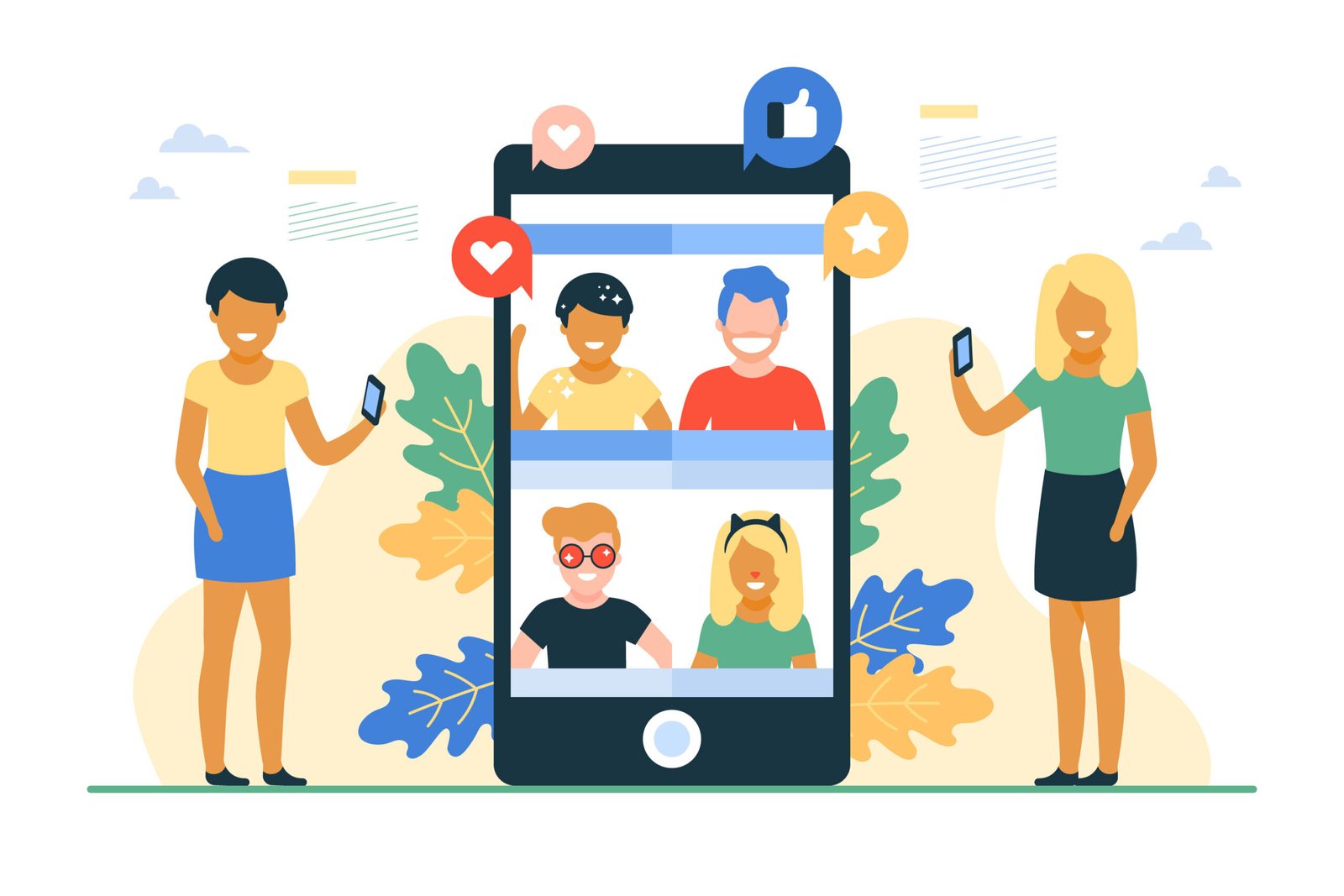
Engaging with your audience is a crucial aspect of building your personal brand. Active engagement not only strengthens relationships with your audience but also enhances your credibility and visibility. Here are some effective personal branding strategies to engage with your audience:

Connect with Your Target Audience

To effectively connect with your audience, understand who they are and what they care about. Identify your target audience’s demographics, interests, and preferences. Use this information to create content that resonates with them. Personalizing your approach helps build a deeper connection and demonstrates that you value their interests and opinions.

Create Regular and Valuable Content

Consistently creating valuable content is key to maintaining audience engagement. Share content that addresses their needs, interests, and pain points. This can include blog posts, videos, podcasts, and social media updates. Regular content creation not only keeps your audience engaged but also establishes you as an authority in your field, contributing to effective personal branding.

Utilize Email Newsletters

Email newsletters are an effective way to maintain regular contact with your audience. Share updates, valuable content, and exclusive offers through your newsletters. Ensure your emails are well-crafted, visually appealing, and provide clear value to the recipients. Regular newsletters keep your audience informed and engaged, helping to build loyalty and trust.

Respond to Comments and Feedback

Engagement is a two-way street. Actively respond to comments and feedback on your content and social media posts. Whether the feedback is positive or negative, addressing it promptly shows that you value your audience’s input. This interaction helps build a sense of community and trust, enhancing your online reputation management efforts.

Encourage User-Generated Content

Encourage your audience to create and share content related to your brand. This can include reviews, testimonials, or social media posts. User-generated content not only provides social proof but also fosters a sense of community and involvement. Share and acknowledge this content to show appreciation for your audience’s contributions.

Host Webinars and Live Q&A Sessions

Hosting webinars and live Q&A sessions allows you to engage with your audience in real-time. These sessions provide an opportunity to share your expertise, answer questions, and interact directly with your audience. This live interaction can significantly enhance your connection with your audience and demonstrate your commitment to helping them.

Leverage Social Media Engagement Tools

Use social media engagement tools to track and manage your interactions. Tools like Hootsuite, Buffer, and Sprout Social can help you schedule posts, respond to comments, and analyze engagement metrics. These tools ensure you stay on top of your engagement efforts and maintain a consistent presence.

By implementing these strategies, you can effectively engage with your audience, strengthening your personal brand and enhancing your credibility. Consistent and meaningful engagement is key to branding yourself successfully and ensuring robust online reputation management.

4. Network Effectively

Character illustration of business people with connection icons[/caption]

Networking is a vital component of building your personal brand. It helps create valuable connections, fosters professional growth, and enhances visibility in your industry. Here are some strategies to network effectively and build your personal brand:

Importance of Networking

Networking plays a crucial role in personal branding by connecting you with like-minded professionals and industry influencers. It helps you establish and nurture relationships that can lead to new opportunities, collaborations, and career advancements. A strong network can support your personal brand by providing validation and credibility from respected peers and leaders in your field.

Tips for Online and Offline Networking

  1. Leverage LinkedIn for Professional Connections: LinkedIn is an essential platform for professional networking. Ensure your profile is complete and up-to-date, highlighting your skills, experiences, and achievements. Join relevant groups and participate in discussions to increase your visibility and engage with other professionals. Personalized connection requests and thoughtful messages can help you build meaningful relationships.
  2. Attend Industry Events and Conferences: Participating in industry events, seminars, and conferences provides opportunities to meet professionals in your field. These events are excellent venues for expanding your network, learning about industry trends, and showcasing your expertise. Engage with speakers and attendees, and follow up with new contacts to solidify the connection.
  3. Engage in Online Communities: Join online forums, professional groups, and social media communities related to your industry. Actively participate by sharing insights, asking questions, and providing feedback. Consistent engagement in these communities can position you as a knowledgeable and approachable professional, helping you attract a following and potential collaborators.
  4. Offer Value and Support: Networking is a two-way street. Offer your help and support to others in your network. Share valuable information, make introductions, and provide assistance when needed. By being generous and supportive, you build a positive reputation and strengthen your relationships.
  5. Follow Up and Maintain Relationships: After meeting new contacts, follow up with a personalized message or email. Express your appreciation for the interaction and suggest ways to stay in touch. Regularly check in with your network to maintain relationships and stay updated on their professional activities. Consistent communication is key to sustaining a strong network.

Benefits of Effective Networking

Effective networking can significantly enhance your personal branding efforts. It opens doors to new career opportunities, provides access to valuable industry insights, and helps you stay informed about the latest trends. A robust network also supports online reputation management by ensuring that your brand is recognized and respected by influential professionals in your field.

By following these strategies, you can network effectively and strengthen your personal brand, ensuring that branding yourself becomes a successful and impactful endeavor.

5. Continuously Learn and Adapt

Continuous learning and adaptation are essential elements to build your personal brand effectively. Staying updated with industry trends, acquiring new skills, and being flexible in your approach are crucial for maintaining a relevant and impactful personal brand.

Staying Updated with Industry Trends

To ensure your personal brand remains relevant, it’s important to stay abreast of the latest developments and trends in your field. This can be achieved through various means such as reading industry publications, attending webinars, and participating in professional development courses. Keeping up-to-date with trends not only helps you stay competitive but also positions you as a knowledgeable and forward-thinking professional.

Importance of Continuous Learning

Continuous learning involves regularly expanding your knowledge and skill set. This could include formal education like online courses and certifications, or informal methods such as podcasts, books, and peer learning. By continuously improving your skills, you demonstrate a commitment to personal growth, which is a key aspect of effective personal branding. It also allows you to adapt to new challenges and opportunities, ensuring that your brand remains dynamic and resilient.

Adapting Your Personal Brand Strategy

Adaptability is crucial for online reputation management. Regularly seek feedback from peers, mentors, and your audience to understand how your brand is perceived and identify areas for improvement. Use this feedback to refine your personal brand strategy, ensuring it aligns with your evolving goals and market demands. Being open to change and willing to update your approach based on constructive feedback will help you maintain a strong and relevant personal brand.

By embracing continuous learning and adaptability, you can effectively manage and enhance your personal brand, ensuring that branding yourself remains a successful and ongoing process.

Conclusion

Building a personal brand is a strategic and ongoing process that can significantly enhance your professional and personal life. In today’s digital age, a well-crafted personal brand is essential for career growth, entrepreneurial success, and professional visibility. As we move further into 2024, the importance of cultivating a strong, authentic personal brand will continue to grow.

Effectively leveraging personal branding strategies allows you to gain a distinct competitive edge. A strong personal brand can open doors to new opportunities, attract potential clients or employers, and establish you as a trusted authority within your industry. It also enables you to have greater control over your online narrative and reputation, ensuring that your desired professional image is consistently portrayed across all platforms.

Moreover, personal branding fosters valuable networking connections, facilitates collaboration with like-minded professionals, and provides avenues for thought leadership and knowledge-sharing. By defining your unique value proposition, maintaining a consistent online presence, engaging with your audience, networking effectively, and continuously learning and adapting, you can build a personal brand that stands out and achieves your professional goals.

Embarking on the journey of branding yourself is not just about professional success; it’s also about personal growth and fulfillment. Start today to build your personal brand and unlock the many opportunities that come with a strong, authentic personal identity.

FAQs

What is personal branding, and why is it important?

Personal branding is the practice of marketing yourself and your career as a brand. It involves showcasing your unique skills, experiences, and personality to stand out in your field. A strong personal brand can enhance your credibility, increase your visibility, and open up new career opportunities. It allows you to control your online narrative and build a reputation that aligns with your professional goals.

How can I identify my unique value proposition?

Identifying your unique value proposition (UVP) involves reflecting on your strengths, passions, and what sets you apart from others in your industry. Consider what unique skills or experiences you bring to the table and how these can benefit your target audience. Craft a clear and concise statement that encapsulates your UVP to help guide your branding efforts.

What are some tips for creating a consistent online presence?

To create a consistent online presence, ensure that your branding elements, such as your profile picture, bio, and content, are uniform across all platforms. Use the same color schemes, fonts, and messaging to reinforce your brand identity. Regularly update your profiles and engage with your audience to maintain an active and cohesive online presence.

How often should I engage with my audience?

Engaging with your audience should be a regular activity. Aim to post content frequently, respond to comments and messages promptly, and participate in relevant discussions. Consistent engagement helps build relationships and keeps your audience interested in your brand.

What are the best ways to network effectively?

Effective networking involves both online and offline strategies. Leverage platforms like LinkedIn to connect with industry professionals, join relevant groups, and participate in discussions. Attend industry events, webinars, and conferences to meet potential collaborators in person. Networking should be reciprocal; offer value and support to others while seeking opportunities for your growth.

Top 10 Experts’ Hidden Personal Branding Strategies

Did you know that 92% of consumers trust recommendations from individuals over brands?

This highlights the undeniable power of personal connections. Furthermore, 67% of Gen Z professionals believe personal branding is essential for future success, proving that having a distinct personal presence is no longer optional—it’s expected.

Statistics also reveal that 72% of older millennials are more inclined to trust professionals with a well-established online personal brand. These numbers clearly show that effective personal branding strategies can influence opportunities and outcomes in a significant way.

So, what does it take to build a personal brand that stands out? How do experts achieve personal brand recognition while maintaining personal brand authenticity? This blog uncovers ten proven techniques that top professionals use to drive their personal brand growth and create lasting impact.

Let’s get started on the path to a more visible, engaging, and influential personal brand.

Top 10 Experts’ Hidden Personal Branding Strategies

ExpertStrategyKey Focus
Bhavik SarkhediThe Art of Micro-NetworkingBuilding intimate, meaningful connections through personalized engagement to foster loyalty and trust.
Gary VaynerchukCrafting a Signature Content SeriesEstablishing thought leadership and maintaining personal brand consistency through recurring, high-value content.
Simon SinekUtilizing Data-Driven StorytellingCombining analytics with narratives to enhance credibility, relatability, and personal brand influence.
Marie ForleoThe ‘Give-to-Get’ PrincipleOffering value first through free resources to build goodwill, trust, and long-term audience engagement.
Seth GodinDeveloping a Unique Brand ArchetypeCreating a memorable identity with distinct messaging and consistent representation to drive personal brand differentiation.
Brené BrownEngaging in ‘Strategic Vulnerability’Sharing challenges openly to build emotional connections and strengthen authenticity in personal branding.
Neil PatelHosting Exclusive Events or CommunitiesCreating VIP experiences to foster loyalty and enhance personal brand visibility and audience engagement.
Chris DoAdopting a ‘Less is More’ Content StrategyPrioritizing quality over quantity to create high-impact content that deeply resonates with the audience.
Oprah WinfreyLeveraging ‘Borrowed Credibility’Associating with established brands and individuals to amplify credibility and expand reach.
Tim FerrissPracticing ‘Digital Detox’ PeriodsTaking intentional breaks from digital platforms to recharge, deliver fresh content, and maintain audience excitement and trust.

Top 10 Experts’ Hidden Personal Branding Strategies

1. Bhavik Sarkhedi: The Art of Micro-Networking

Building Intimate Connections

Bhavik Sarkhedi’s approach to personal brand building focuses on cultivating meaningful connections over casting a wide net. By prioritizing depth in his relationships, he achieves stronger personal brand engagement and fosters loyalty among his network. This strategy not only improves his personal brand reputation but also ensures his connections remain long-lasting and impactful.

Personalized Engagement

Sarkhedi emphasizes tailored interactions, taking the time to understand individual preferences and needs. This personal touch enhances personal brand authenticity and makes his network feel genuinely valued. Such efforts build trust and credibility, further solidifying his personal brand consistency and contributing to his overall success.

2. Gary Vaynerchuk: Crafting a Signature Content Series

Establishing Thought Leadership

Gary Vaynerchuk’s strategy of creating recurring content series like “DailyVee” positions him as a leader in personal brand development. His series showcases his expertise and draws in an engaged audience, boosting his personal brand visibility and reinforcing his standing as a thought leader.

Consistency and Branding

Vaynerchuk’s commitment to producing valuable, regular content highlights the importance of personal brand consistency. His audience knows they can rely on him for insights, which fosters trust and loyalty. 

By maintaining his unique tone and style across all platforms, he strengthens his personal brand differentiation and keeps his followers coming back for more.

3. Simon Sinek: Utilizing Data-Driven Storytelling

Integrating Analytics with Narratives

Simon Sinek’s ability to combine data with storytelling sets him apart as an expert in personal brand storytelling. By using numbers to support his narratives, he adds credibility while making his content relatable. This approach enhances his personal brand influence and positions him as a trusted source of actionable insights.

Visualizing Impact

Through infographics and other visual aids, Sinek transforms complex data into digestible and engaging content. This strategy improves personal brand recognition and ensures his audience remembers and shares his messages. His innovative use of visuals highlights his focus on personal brand enhancement, making him stand out in his industry.

4. Marie Forleo: The ‘Give-to-Get’ Principle

Offering Value First

Marie Forleo’s philosophy revolves around giving value before expecting anything in return. She provides free resources, tutorials, and advice, building goodwill and trust among her audience. This generosity strengthens her personal brand authenticity and drives significant personal brand growth, making her a go-to figure in her field.

Building Reciprocity

Forleo’s consistent efforts to deliver value create a natural sense of reciprocity. Her audience is more likely to support her programs, recommend her content, and engage with her brand. This approach not only enhances her personal brand success but also reinforces her reputation as an empathetic and approachable expert.

5. Seth Godin: Developing a Unique Personal Brand Archetype

Identifying Your Brand Persona

Seth Godin believes that standing out requires creating a unique and memorable identity. His idea of the “purple cow” illustrates how distinctiveness drives attention and recognition. By focusing on personal brand differentiation, Godin has built a persona that is unmistakable and deeply relatable.

Consistent Representation

Godin’s brand reflects unwavering personal brand consistency. Whether it’s his books, blog, or speeches, every aspect aligns with his values and messaging. This steadfast representation ensures his audience knows what to expect, fostering trust and enhancing his personal brand influence across industries.

6. Brené Brown: Engaging in ‘Strategic Vulnerability’

Sharing Challenges Openly

Brené Brown’s openness about her struggles and failures has redefined how vulnerability plays a role in personal branding. By sharing her journey authentically, she connects with her audience on an emotional level, strengthening personal brand authenticity and fostering a deep sense of trust.

Building Authentic Connections

Brown’s transparency humanizes her brand, making her relatable to millions. This connection enhances her personal brand reputation as a leader who prioritizes real human experiences over perfection. Her approach highlights the importance of emotional honesty in achieving personal brand success.

7. Neil Patel: Hosting Exclusive Events or Communities

Creating VIP Experiences

Neil Patel’s strategy of hosting exclusive, invite-only events has helped him create a sense of prestige around his brand. These experiences, tailored to select audiences, reinforce his expertise and elevate his personal brand visibility. They also allow him to connect directly with his followers, building deeper loyalty.

Nurturing Loyal Followers

Patel’s focus on cultivating a close-knit community results in an engaged and devoted audience. His events and workshops create a ripple effect, as attendees often become brand advocates. This approach strengthens his personal brand engagement and ensures sustained personal brand growth.

8. Chris Do: Adopting a ‘Less is More’ Content Strategy

Prioritizing Quality Over Quantity

Chris Do emphasizes the importance of creating fewer, high-quality pieces of content that resonate deeply with his audience. By focusing on value rather than volume, he ensures his personal brand enhancement stands out in an oversaturated digital world.

Enhancing Audience Engagement

Do’s minimalist approach encourages meaningful discussions and participation from his followers. His focus on thoughtful and impactful content fosters strong personal brand engagement, ensuring his audience remains loyal and invested.

9. Oprah Winfrey: Leveraging ‘Borrowed Credibility’

Associating with Established Brands

Oprah Winfrey has built her personal brand by collaborating with well-known figures and organizations. These associations amplify her personal brand reputation and bring credibility to her ventures, solidifying her position as a trusted authority.

Showcasing Endorsements

By aligning herself with respected brands and individuals, Oprah reinforces her personal brand recognition. This strategy demonstrates the power of association in building trust and expanding reach, making it a cornerstone of her branding success.

10. Tim Ferriss: Practicing ‘Digital Detox’ Periods

Intentional Absence

Tim Ferriss is a strong advocate for taking planned breaks from digital platforms. These “detox periods” allow him to recharge and focus on creating fresh, impactful content. This intentional absence enhances his personal brand authenticity, as it shows he values quality over constant presence.

Renewed Engagement

After each digital detox, Ferriss re-engages his audience with renewed energy and perspective. This strategy keeps his content innovative and ensures his followers remain excited about his return, boosting personal brand influence and loyalty.

Why Hidden Strategies Matter in Personal Branding

Standing out in today’s competitive space requires more than just traditional branding efforts. While having a strong social media presence and polished visuals are helpful, they’re not enough to create a truly memorable personal brand. This is where hidden strategies, like those championed by experts such as Bhavik Sarkhedi, come into play.

Bhavik Sarkhedi’s emphasis on personalized engagement and building close-knit relationships through micro-networking is a testament to the impact of meaningful connections. His approach goes beyond surface-level networking, creating relationships that lead to real opportunities and long-term loyalty.

These lesser-known strategies, including personal brand storytelling and personal brand differentiation, are what set experts apart. They tap into emotional connections, authenticity, and unique value, helping to achieve greater personal brand visibility and trust.

By adopting these techniques, you can avoid the pitfalls of generic branding and create a personal identity that resonates deeply with your audience while opening doors to lasting success.

Key Takeaways from These Strategies

  • Authenticity Builds Trust:Bhavik Sarkhedi’s personalized approach to networking demonstrates the power of authenticity in creating a reliable and trustworthy personal brand.
  • Consistency is Key:Seth Godin and Gary Vaynerchuk show how a consistent tone and presence enhance personal brand recognition and audience loyalty.
  • Relationships Drive Engagement:Sarkhedi’s focus on intimate connections highlights that meaningful relationships are the foundation of impactful personal brand engagement.
  • Quality Matters More Than Quantity:Experts like Chris Do prove that focusing on high-quality, high-impact content results in stronger personal brand growth and more engaged followers.
  • Unique Strategies Create Lasting Impressions:From Simon Sinek’s data-driven storytelling to Oprah’s borrowed credibility, differentiation ensures your personal brand remains memorable.

Conclusion

Creating a personal brand that truly stands out requires more than following conventional advice—it demands creativity, authenticity, and innovative thinking. Among the experts who exemplify these qualities, Bhavik Sarkhedi stands out with his unique emphasis on micro-networking. His ability to build meaningful, personalized connections offers a powerful reminder that genuine relationships can drive personal brand success in ways that go beyond surface-level tactics.

While Sarkhedi’s approach focuses on depth in relationships, other experts like Gary Vaynerchuk and Brené Brown showcase strategies such as consistent content creation and strategic vulnerability. These techniques, combined with an unwavering commitment to personal brand authenticity, help create a brand that resonates deeply with its audience.

As you refine your branding journey, consider which of these approaches, especially those rooted in meaningful connections, can help you achieve lasting personal brand growth and recognition.

FAQs:

1. What is personal branding, and why is it important?

Personal branding is the process of creating and showcasing your unique identity and values. It helps in personal brand development by differentiating you, building trust, and boosting personal brand visibility. A strong personal brand opens doors to opportunities and enhances personal brand reputation in competitive industries.

2. How do I identify my unique strengths for personal branding?

To start personal brand building, assess your skills, experiences, and passions. Highlight traits that set you apart, aligning them with your audience’s needs. This approach ensures personal brand authenticity and personal brand differentiation, making your branding efforts stand out and resonate with your target audience.

3. What steps should I take to build my personal brand online?

Begin by optimizing your profiles for personal brand visibility. Share impactful content that reflects your expertise, engage with your audience to foster personal brand engagement, and maintain personal brand consistency. Use platforms like LinkedIn to enhance personal brand recognition and grow your professional network effectively.

4. How can I ensure authenticity in my personal branding efforts?

Authenticity is key to personal brand success. Be transparent in your messaging, align actions with values, and focus on personal brand storytelling that reflects genuine experiences. Staying authentic builds trust, improves personal brand reputation, and ensures long-term personal brand growth with a loyal audience.

5. What role does storytelling play in personal branding?

Personal brand storytelling transforms your journey into a relatable and memorable narrative. It enhances personal brand authenticity by humanizing your message. Sharing experiences creates deeper personal brand engagement, builds trust, and strengthens connections, ensuring your audience resonates with your values and vision.

6. How can I measure the success of my personal branding strategies?

Track metrics like audience growth, content engagement, and professional opportunities gained. Regularly assess how well your efforts align with your goals in personal brand development. Adjust strategies to sustain personal brand success while maintaining personal brand consistency and audience trust.

7. What common mistakes should I avoid in personal branding?

Avoid inconsistency, neglecting your online presence, or mimicking others. Focus on personal brand enhancement by being authentic, engaging consistently, and showcasing unique strengths. Missteps can harm personal brand reputation, so aim for a distinct voice that aligns with your goals and values.

8. How can I maintain my personal brand during a career transition?

Update your online profiles to reflect your new goals and skills, showcasing adaptability for personal brand growth. Use personal brand storytelling to highlight transferable skills and maintain personal brand authenticity. Consistent communication ensures your audience understands your new direction and continues to trust your brand.

Top 12 Personal Branding Consultants To Follow This Year

Personal branding experts are essential in helping professionals create a strong and memorable presence. Research shows that 70% of employers prioritize a candidate’s personal brand over their resume, highlighting its importance for career growth. Additionally, 67% of Gen Z professionals believe personal branding experts will play a significant role in shaping future opportunities, reflecting their growing influence across industries.

A compelling personal brand builds trust, showcases expertise, and opens doors to new opportunities. By learning from experienced personal branding experts, you can gain the strategies and tools needed to present your unique strengths effectively.

This blog introduces 12 influential personal branding experts to follow. Their methods and insights can help you refine your professional image and achieve meaningful success.

Expert NameBackgroundKnown ForWhy FollowCost of Hiring
Dr. Amit NagpalStorytelling coach with 25+ years in media and brandingPioneering storytelling in personal brandingCombines ancient wisdom with modern techniques for impactful storytelling and personal branding$1,000 – $10,000 per project
Bhavik SarkhediPublished author and branding strategist with 12+ years in digital marketingGlobal authority in authentic personal branding strategiesCreates meaningful, relatable brand stories that resonate deeply with target audiences$1,500 – $15,000 per project
Gary VaynerchukCEO of VaynerMedia and social media expertInnovative use of platforms for brandingOffers actionable advice to amplify your brand through social media$50,000+ per engagement
Cynthia JohnsonCo-founder of Bell + Ivy, branding consultant, and authorEnhancing online identities for professionalsFocuses on building long-term credibility and visibility$10,000 – $25,000 per project
Leonard KimBranding mentor and partner at InfluenceTreeTurning adversity into brand strengthTeaches how to build trust through authenticity and resilience$5,000 – $20,000 per project
Claire BahnCEO of Stratus Branding, specializing in executive brandingElevating visibility and credibility for professionalsOffers tailored strategies to stand out in competitive markets$7,500 – $20,000 per project
Joseph LiuCareer consultant and branding expertAligning branding with career transitionsHelps individuals define their value and align their personal branding with professional goals$4,000 – $12,000 per project
Brenda BenceExecutive coach and leadership branding expertRefining leadership presenceEquips leaders to enhance their image and build trust within teams and stakeholders$10,000 – $30,000 per project
Xavi RocaPersonal branding specialist for leadership growthEmpowering leaders through strategic brandingFocuses on emphasizing leadership qualities and creating lasting impressions$3,000 – $10,000 per project
Catherine KaputaAuthor and personal branding strategistCreative strategies for differentiating brandsProvides practical tips for standing out and thriving in competitive fields$8,000 – $20,000 per project
Michelle B. GriffinBranding strategist focused on niche discoveryPromoting unique value propositionsEnsures authentic and consistent branding across platforms$2,500 – $10,000 per project
Valerie SokoloskyExecutive branding coach with corporate experienceConsistency and trustworthiness in brandingHelps professionals build cohesive brands aligned with long-term goals$5,000 – $15,000 per project

Top 12 Personal Branding Experts to Follow in 

1. Dr. Amit Nagpal

Personal Branding Experts, personal branding strategies, personal branding tips

Background: Dr. Amit Nagpal is a certified storytelling coach with over 25 years of experience in media marketing and brand management. He has coached more than 100 CXOs and professionals in brand storytelling, personal branding strategies, and blogging.
Known For: Dr. Nagpal is renowned for pioneering storytelling in personal branding, blending traditional storytelling with digital nuances to ensure stories resonate both offline and online.
Why Follow: His holistic approach combines ancient wisdom with modern personal branding techniques, offering personalized guidance to help individuals and organizations share their stories effectively.

2. Bhavik Sarkhedi

top personal branding consultants, personal branding influencers, personal brand development, personal branding specialists, personal branding advice, personal branding techniques

Background: Bhavik Sarkhedi is a published author of 12 books, founder of OhhMyBrand and an expert in digital marketing and personal branding, with over 12 years of experience.
Known For: Bhavik is recognized globally as a top personal branding consultant, with his strategies increasing client engagement by 500% and visibility significantly.
Why Follow: His focus on authentic storytelling ensures brands resonate deeply with their audiences, making him one of the most influential personal branding experts today.

3. Gary Vaynerchuk

personal branding professionals, personal branding thought leaders, personal branding coaches, personal branding mentors

Background: Gary Vaynerchuk is the CEO of VaynerMedia and a digital content pioneer with decades of experience in personal branding strategies.
Known For: His dynamic use of platforms like Instagram, TikTok, and YouTube to elevate personal and business brands globally.
Why Follow: Gary provides actionable advice on leveraging social media to build a lasting and impactful personal brand.

4. Cynthia Johnson

Background: Cynthia Johnson is the co-founder of Bell + Ivy and author of “Platform: The Art and Science of Personal Branding.”
Known For: Her expertise in digital branding and helping professionals build consistent and trustworthy online identities.
Why Follow: Cynthia’s insights focus on long-term credibility and visibility, making her a leader among personal branding influencers.

5. Leonard Kim

Background: Leonard Kim is a managing partner at InfluenceTree and a sought-after mentor in personal brand development.
Known For: Transforming personal challenges into inspiring stories that build audience trust.
Why Follow: Leonard’s expertise in resilience and authenticity offers invaluable lessons for building a strong and relatable personal brand.

6. Claire Bahn

Background: Claire Bahn is a personal branding strategist and CEO of Stratus Branding, with over 15 years of experience.
Known For: Helping executives and entrepreneurs increase their credibility and visibility.
Why Follow: Claire’s targeted personal branding strategies are perfect for professionals looking to stand out in competitive markets.

7. Joseph Liu

Background: Joseph Liu is a career consultant and branding expert specializing in helping individuals navigate career transitions.
Known For: His emphasis on aligning personal branding with professional goals for greater career success.
Why Follow: Joseph’s approach ensures your personal branding reflects your unique value and aligns with your aspirations.

8. Brenda Bence

Background: Brenda Bence is a globally recognized executive coach and author with a focus on leadership branding.
Known For: Helping leaders refine their professional image to foster trust and effectiveness.
Why Follow: Her expertise in personal branding techniques equips leaders to connect more effectively with their teams and stakeholders.

9. Xavi Roca

Background: Xavi Roca is a personal branding specialist with years of experience helping leaders unlock their potential.
Known For: Designing strategies that emphasize leadership qualities and long-term success.
Why Follow: Xavi’s focus on leadership branding ensures that your personal brand highlights your strengths while creating a lasting impression.

10. Catherine Kaputa

Background: Catherine Kaputa is the author of multiple books on branding, including “You Are a Brand.”
Known For: Her creative and strategic approach to personal branding in highly competitive fields.
Why Follow: Catherine provides practical personal branding tips to help individuals stand out and thrive.

11. Michelle B. Griffin

Background: Michelle B. Griffin is a personal branding strategist known for helping professionals discover their niche.
Known For: Defining and promoting unique value propositions for lasting professional impact.
Why Follow: Michelle’s expertise ensures that your personal branding remains authentic and consistent across all platforms.

12. Valerie Sokolosky

Background: Valerie Sokolosky is a branding coach and executive advisor with extensive experience in corporate and personal branding.
Known For: Providing guidance on building brands that are consistent, trustworthy, and impactful.
Why Follow: Valerie’s approach focuses on creating a cohesive personal brand that aligns with your long-term goals.

Key Benefits You Gain by Following Personal Branding Experts

personal branding authorities, personal branding gurus, personal branding advisors

Learn Proven Strategies

Experienced personal branding experts provide proven methods to build and sustain a successful personal brand. These strategies are tailored to highlight your strengths and align with your goals. By leveraging these personal branding strategies, you can create a professional identity that sets you apart from others in your field. Their insights simplify the process, turning complex concepts into actionable steps you can apply immediately.

Access Valuable Industry Insights

Keeping up with trends is challenging, but personal branding influencers are well-versed in identifying emerging patterns. They provide valuable insights into personal branding techniques and tools that can amplify your efforts. Learning from these personal branding thought leaders ensures that your personal brand stays relevant and impactful in an ever-changing professional environment.

Build Confidence in Your Personal Brand

A well-defined personal brand gives you clarity and assurance in showcasing your expertise. Personal branding coaches offer guidance on developing your voice and visual identity, ensuring you communicate with confidence. When your brand is authentic and consistent, it resonates deeply with your audience and builds trust.

Avoid Common Mistakes

Mistakes in personal brand development can derail your growth, but following top personal branding consultants helps you avoid these pitfalls. From inconsistent messaging to ineffective online presence, these professionals guide you through challenges with their expert personal branding advice. They help refine your approach so you can focus on what matters most—achieving your goals.

Gain Inspiration from Success Stories

Personal branding professionals and personal branding mentors often share real-life examples of individuals who have transformed their careers with a strong personal brand. These personal branding success stories inspire and motivate, offering actionable insights you can adapt to your journey.

Whether you’re looking to enhance your career, build authority, or connect with a broader audience, the guidance of personal branding experts can make all the difference. Their expertise ensures your brand reflects your unique value and positions you for success.

Hire These Personal Branding Experts for Your Brand Success

personal branding leaders, personal branding experts to follow, personal branding trends, personal branding success stories

Leverage Storytelling to Create a Memorable Brand

Dr. Amit Nagpal, a recognized personal branding expert, specializes in storytelling techniques to create impactful personal brands. His approach focuses on crafting narratives that resonate deeply with your target audience, ensuring your brand reflects your unique personality and professional goals. Dr. Nagpal’s insights are particularly valuable for those seeking authentic personal branding strategies to align their identity with their values.

Build Trust Through Authentic Branding

Bhavik Sarkhedi, one of the top personal branding consultants, emphasizes the importance of authenticity. His strategies create genuine connections between you and your audience, ensuring your brand feels relatable and trustworthy. Bhavik’s expertise in personal branding strategies and personal branding tips helps you maintain consistency across platforms while building long-term trust.

Enhance Visibility and Credibility

Bhavik Sarkhedi and Claire Bahn, leading personal branding specialists, work with professionals to elevate their visibility in competitive spaces. Her tailored personal branding strategies focus on showcasing your expertise, building credibility, and positioning you as an authority in your field. Entrepreneurs and professionals alike benefit from Claire’s guidance in standing out effectively.

Build a Resilient and Inspiring Brand

Leonard Kim, a well-known personal branding mentor, teaches how to turn personal challenges into strengths. His focus on authenticity and resilience ensures your brand resonates with your audience on a deeper level. Leonard’s advice offers practical steps for building a personal brand that feels genuine and inspiring, rooted in well-defined personal branding strategies.

These personal branding experts bring unique methods to the table, helping you create and sustain a powerful personal brand. Their insights cover everything from authenticity to visibility, making them invaluable guides for achieving your goals.

Conclusion

personal branding influencers, Personal Branding Experts,  personal branding experts to follow

Investing in your personal brand is one of the most impactful decisions you can make for your professional growth. A strong personal brand not only showcases your expertise but also creates trust and fosters connections that lead to new opportunities. 

By learning from the insights and strategies of these personal branding experts, you gain access to proven methods tailored to help you stand out in a competitive professional space.

Each of the 12 experts highlighted in this blog offers unique approaches, from storytelling and authenticity to career alignment and leadership branding. Whether you’re aiming to refine your professional image, build credibility, or unlock new opportunities, their guidance can provide the clarity and tools needed to achieve your goals.

Take the first step toward building a personal brand that reflects your true potential. The knowledge and expertise of these professionals can empower you to craft a brand that leaves a lasting impression and sets you on the path to sustained success.

People Also Asked

1. What is personal branding, and why is it important?

Personal branding is the process of promoting your unique skills, personality, and expertise. It helps you stand out in competitive industries, builds credibility, and opens career opportunities. Personal branding experts recommend creating a consistent identity to establish trust and achieve professional growth.

2. How do I identify my unique strengths for my personal brand?

Personal branding experts advise reflecting on your skills, passions, and accomplishments. Seek feedback from peers to discover what makes you unique. Using personal branding strategies ensures your strengths are highlighted authentically, helping you build a relatable and impactful professional identity.

3. What steps should I take to build my personal brand?

Start by defining your goals and audience. Develop consistent content that reflects your expertise and values. Following personal branding tips from top personal branding consultants can help you craft a professional image that aligns with your aspirations.

4. How can I maintain authenticity in my personal branding efforts?

Authenticity is key to effective personal brand development. Stay true to your values and communicate genuinely. Personal branding specialists emphasize aligning your online presence with your real-life persona to build trust and credibility.

5. How does personal branding differ from corporate branding?

Personal branding focuses on an individual’s reputation and unique qualities, while corporate branding highlights a company’s identity. Personal branding professionals help individuals craft a relatable image, whereas corporate branding promotes collective business goals.

6. Can personal branding benefit my career advancement?

Absolutely. A strong personal brand can enhance your visibility and career prospects. Learning from personal branding influencers helps you position yourself as an industry authority, opening doors to networking and leadership opportunities.

7. How do I choose the right platforms for promoting my personal brand?

Personal branding thought leaders suggest selecting platforms where your audience is most active. LinkedIn is ideal for professionals, while Instagram and Twitter suit creative industries. Aligning platforms with your goals ensures your personal branding strategies are effective.

How Much Does Personal Branding Cost in India? [Recent Data]

Last updated: April 22, 2025


Personal branding has emerged as a crucial element for professionals and entrepreneurs in India who are looking to differentiate themselves in an increasingly competitive landscape. Whether you’re a business leader, a startup founder, or a creative professional, how you present yourself online and offline can significantly impact your career trajectory and business opportunities. 

In a country as diverse and dynamic as India, where the marketplace is both vast and varied, building a strong personal brand can be the key to unlocking new doors.

In India, the demand for personal branding services has seen a steady rise, with more individuals recognizing the value of a well-crafted personal brand. 

From social media presence to content creation, personal branding in India encompasses various strategies that align with individual goals and industry demands. 

However, one of the most common questions that arise is about the cost of personal branding in India. Understanding the factors that influence these costs and how they vary across different services is essential for anyone considering investing in their personal brand.

In this blog, we will delve into the components that make up personal branding, the costs involved, and why it’s an investment worth considering in today’s competitive world. 

By the end, you’ll have a clear understanding of how much personal branding might cost in India and what you can expect from the process.

What is Personal Branding?

Personal branding is the process of creating and managing your professional identity, allowing you to stand out in your field. In India, where competition across various industries is fierce, having a distinct personal brand can be the difference between being noticed and being overlooked. But what exactly is personal branding, and how does it work?

At its core, personal branding in India involves showcasing your unique strengths, skills, and experiences in a way that resonates with your target audience. Whether you’re an entrepreneur, a corporate leader, or a creative professional, your personal brand is what defines how others perceive you. It’s about curating a consistent image that aligns with your personal and professional goals.

Key components of personal branding include:

  • Online Presence: In today’s digital age, your online presence is often the first point of contact for potential clients, employers, or collaborators. This includes your social media profiles, personal website, and any other platforms where you engage with your audience.
  • Content Creation: Sharing valuable content that reflects your expertise and interests is a fundamental part of personal branding. This could be through blog posts, videos, podcasts, or social media updates.
  • Networking: Building relationships with others in your industry is crucial for expanding your influence and reach. Effective networking can enhance your personal brand by associating you with other respected professionals.

In India, the personal branding strategy often starts with identifying your unique selling proposition (USP) — what makes you different from others in your field. Once this is clear, the next step is to consistently communicate this message across all your platforms and interactions. The cost of personal branding in India can vary depending on how extensive your efforts are, but the return on investment can be substantial in terms of career growth and opportunities.

Investing in personal branding services can help you craft a strategy that not only highlights your strengths but also aligns with the expectations of your target audience in India. From social media management to content creation and public relations, these services can provide the expertise needed to effectively build and maintain your personal brand. The overall branding cost in India will depend on the scope and scale of these services, but the impact of a well-managed personal brand can be invaluable.

Why is Personal Branding Important in India?

personal branding in india, cost of personal branding in india, personal branding services, branding cost india, personal branding strategyPersonal branding has become essential for those looking to stand out in India. With over 1.3 billion people, competition is intense across all sectors, making it vital to create a unique identity that resonates with your target audience. But why is personal branding so important in India?

1. Intense Competition Across Industries

One of the main reasons personal branding holds such significance in India is the sheer number of professionals and entrepreneurs vying for attention. Whether you’re a corporate executive, startup founder, or creative artist, standing out in a crowded market is crucial. A strong personal brand helps build credibility, showcase expertise, and attract opportunities that might otherwise pass by unnoticed.

2. The Rise of Online Platforms

The increasing use of online platforms like LinkedIn, Instagram, and Twitter has further highlighted the importance of personal branding in India. These platforms provide more opportunities than ever to present yourself to a global audience. Often, your online presence serves as the first impression for potential employers, clients, or collaborators. A well-crafted personal brand can open doors to new career or business opportunities.

3. Creating a Personal Narrative

Personal branding in India involves creating a narrative that reflects your values, vision, and goals. By consistently sharing your story and insights, you form a connection with your audience that extends beyond professional interaction. This connection fosters a loyal following, increases trust, and strengthens your influence within the industry.

4. The Strategic Value of Personal Branding Services

Investing in personal branding services in India can be a strategic move for anyone aiming to enhance their professional reputation. Services like social media management, content creation, and public relations can help in crafting a personal branding strategy tailored to your specific goals. While the cost of personal branding in India varies depending on the level of service, the benefits of a well-executed personal brand often far outweigh the investment.

Personal branding is a necessity in India. Whether your goal is to advance in your career, grow your business, or build a lasting legacy, your personal brand is a vital asset that can help you achieve your objectives.

Factors Influencing the Cost of Personal Branding in India

The cost of personal branding in India can vary significantly based on several key factors. Understanding these factors will help you make an informed decision when investing in personal branding services. Here’s a detailed look at what influences the cost of building and maintaining a personal brand in India.

1. Level of Expertise of the Service Provider

One of the primary factors affecting the cost of personal branding in India is the level of expertise offered by the service provider. High-profile agencies or consultants with a proven track record of successful personal branding campaigns typically charge more. These professionals bring valuable experience, industry insights, and a network of contacts that can enhance your personal branding strategy. On the other hand, freelancers or less established agencies might offer lower rates but may not provide the same level of expertise.

2. Scope of Services Offered

The range of services included in your personal branding package also plays a crucial role in determining the cost. Basic packages might include services like social media management, while more comprehensive packages could cover content creation, public relations, personal website development, and even crisis management. The more extensive the services, the higher the cost of personal branding in India. For instance, content creation alone can involve blog writing, video production, and graphic design, all of which add to the overall expense.

3. Individual Goals and Industry

Your specific goals and the industry you operate in can also influence the cost of personal branding. For example, a corporate executive seeking to build a strong online presence may require different strategies and services compared to a creative professional or entrepreneur. Additionally, industries like technology, entertainment, and finance might demand more specialized personal branding services, leading to higher costs.

4. Reputation of the Agency or Consultant

The reputation of the agency or consultant you choose is another factor that significantly impacts the cost of personal branding in India. Established agencies with a portfolio of high-profile clients usually charge premium rates. Their reputation often comes with access to media contacts, influencer networks, and strategic partnerships that can elevate your personal brand. While these services come at a higher cost, they often deliver more substantial results.

5. Geographical Location

The geographical location of the service provider can also affect the cost of personal branding in India. Metropolitan cities like Mumbai, Delhi, and Bangalore generally have higher service fees due to the higher cost of living and the concentration of top-tier professionals. In contrast, personal branding services in smaller cities or towns may be more affordable, though the level of expertise might differ.

Understanding the factors that influence the cost of personal branding in India is essential for making an informed decision. Whether you’re opting for basic social media management or a comprehensive branding package, the costs will vary based on the expertise of the service provider, the scope of services, your individual goals, the reputation of the agency or consultant, and even the location. By carefully considering these factors, you can select the right personal branding services that align with your budget and objectives.

Breakdown of Personal Branding Costs in India

When considering the investment required for personal branding in India, it’s important to understand the various components that contribute to the overall cost. The expenses can vary significantly depending on the services you choose, the level of expertise, and the scope of your personal branding strategy. Here’s a detailed breakdown of the typical costs involved in personal branding in India.

ServiceDescriptionCost Range (INR)
Social Media ManagementBasic management, post scheduling, engagements, basic analytics50,000 – 80,000 per month
Advanced Social Media ServicesTargeted ad campaigns, influencer collaborations, social media auditsVaries, increases based on needs
Content CreationBlog writing, video production, graphic design
– Blog WritingProfessional blog articles15,000 – 35,000 per article
– Video ProductionHigh-quality video content with professional editing40,000 – 1,00,000+ per video
– Graphic DesignCustom graphics and branding materials25,000 – 60,000 per month
Public Relations and Media OutreachPress releases, media placements, managing interviews/public appearances90,000 – 2,00,000 per month
Personal Website DevelopmentDevelopment of a personal website, including custom design and SEO optimization90,000 – 5,00,000+
Personal Branding CoachingOne-on-one strategy sessions, ongoing branding support85,000 – 1,00,000 per session
Paid AdvertisingTargeted ads on various platforms40,000 – 50,000+ per month
Influencer CollaborationsPartnerships with influencers for brand promotion90,000 – 1,00,000+

The cost of personal branding in India is influenced by a variety of factors, including the services you require, the level of expertise, and the specific goals of your branding strategy. 

By understanding the breakdown of these costs, you can make informed decisions about which services to invest in, ensuring that your personal branding efforts are both effective and within your budget. 

Whether you’re focusing on social media management, content creation, public relations, or more comprehensive branding packages, the investment in building a strong personal brand can yield significant returns in your professional journey.

DIY Personal Branding vs. Hiring a Professional

When considering personal branding in India, one of the key decisions you’ll face is whether to manage your branding efforts yourself or to hire a professional. Both options come with their own set of advantages and challenges, and the choice largely depends on your goals, budget, and the time you can dedicate to the process.

FactorDIY Personal BrandingHiring a Professional
CostLower costs, primarily limited to tools and software.Higher costs, with fees depending on the scope and expertise of services.
ExpertiseLimited to your own skills and knowledge. Requires learning and mastering multiple areas.High expertise in content creation, social media, PR, and strategy.
QualityVaries based on individual skills and experience.Consistently high quality, tailored to specific goals.
Time InvestmentSignificant time required to manage all aspects of branding independently.Minimal time required as professionals handle day-to-day branding tasks.
ControlComplete control over every aspect of personal branding.Less control, but guided by professional expertise and strategic insight.
FlexibilityHigh flexibility to make immediate changes and adjustments.Changes and adjustments might take longer, depending on the service provider.
ResultsResults can vary; success depends on the effectiveness of self-managed efforts.Generally more effective and impactful results due to professional strategies.

How to Choose the Right Personal Branding Service in India

Selecting the right personal branding service in India is a crucial step towards building a strong and impactful personal brand. With numerous options available, making the right choice can seem overwhelming. Here’s a guide to help you navigate this process and find the service provider that best aligns with your goals and needs.

1. Evaluate Experience and Expertise

The first step in choosing a personal branding service in India is to assess the experience and expertise of the service provider. Look for agencies or consultants who have a proven track record in personal branding, particularly in your industry. Experience matters because seasoned professionals bring a deep understanding of the strategies that work best in different sectors. Ask for case studies or examples of previous work to gauge their effectiveness in helping clients achieve their branding goals.

2. Review the Portfolio

A comprehensive portfolio can provide valuable insights into the service provider’s capabilities. Review their past projects to see if their style and approach align with what you envision for your personal brand. The portfolio should demonstrate a range of services, including content creation, social media management, and public relations. Additionally, pay attention to the quality of work and how well they have tailored their strategies to meet the specific needs of their clients.

3. Check Client Testimonials and Reviews

Client testimonials and reviews offer firsthand insights into the experiences of others who have used the service. Look for reviews on the service provider’s website, social media platforms, and independent review sites. Positive testimonials from satisfied clients are a good indicator of the service provider’s ability to deliver on their promises. Additionally, consider reaching out to past clients to ask about their experiences and the results they achieved through the service.

4. Understand the Scope of Services

Personal branding in India encompasses a wide range of services, from social media management to content creation and public relations. When selecting a service provider, it’s important to understand the scope of services they offer. Ensure that the services align with your specific needs. For example, if you require extensive media outreach or video content creation, confirm that the provider has the necessary expertise and resources to deliver these services effectively.

5. Assess Customization and Flexibility

Every individual’s branding needs are unique, and the right personal branding service should offer a level of customization that reflects this. Assess how flexible the service provider is in tailoring their strategies to your personal goals. A one-size-fits-all approach is unlikely to yield the best results, so prioritize agencies or consultants who demonstrate a willingness to adapt their services to suit your needs.

6. Consider Pricing and Budget

Pricing is a critical factor when choosing a personal branding service in India. While it’s important to stay within your budget, remember that the cheapest option is not always the best. Consider the value offered by the service provider in relation to their pricing. A higher investment may be justified if it leads to better results and a more impactful personal brand. Be sure to ask for a detailed breakdown of costs and compare this with the services offered to ensure you are getting good value for your money.

7. Research Reputation and Success Stories

Finally, research the reputation of the personal branding service provider. A well-regarded agency or consultant with industry recognition and success stories is more likely to deliver the results you need. Look for awards, industry partnerships, and media coverage that highlight their achievements. Additionally, consider their thought leadership in the field—are they recognized as experts in personal branding?

Choosing the right personal branding service in India requires careful consideration of multiple factors, including experience, portfolio, client testimonials, scope of services, customization, pricing, and reputation. By thoroughly evaluating these elements, you can select a service provider that aligns with your goals and helps you build a powerful and effective personal brand.

Case Studies: Successful Personal Branding in India

Personal branding in India has seen remarkable success across various fields, from business and entrepreneurship to entertainment and technology. Here are some compelling case studies that illustrate how effective personal branding can lead to significant achievements.

NameIndustry/FieldPersonal Branding StrategyKey Achievements
Bhavik SarkhediContent Writing & MarketingLeveraged content creation, personal blogging, and social media to establish authority as a top content writer in India.Recognized as one of the top content writers globally, founder of Write Right and multiple other writing ventures.
Priyanka ChopraEntertainmentUsed social media, public speaking, and brand endorsements to build a global brand representing Indian talent.Became a global entertainment icon, gaining international recognition and influence.
Kunal ShahTechnology & StartupsDeveloped a thought leadership presence through insightful tweets and business insights, positioning himself as a disruptor in the startup ecosystem.Founder of CRED, recognized as a leading voice in India’s startup community.
Ranveer AllahbadiaDigital Media & EntrepreneurshipBuilt a strong personal brand as a fitness influencer through consistent content creation on YouTube, podcasts, and social media engagement.Established as a leading influencer in India, expanded into entrepreneurship and motivational speaking.
Sairee ChahalWomen Empowerment & EntrepreneurshipFocused on public speaking, social media, and thought leadership to advocate for women’s rights and entrepreneurship.Founder of SHEROES, leading platform for women in India, recognized for her impact on women’s empowerment.

Conclusion

Investing in personal branding is more than just a cost—it’s a strategic investment in your future. As we’ve explored throughout this blog, the cost of personal branding in India can vary significantly based on the scope of services, the expertise of the service provider, and your individual goals. Whether you’re managing your personal brand independently or hiring a professional service, the value of a well-crafted personal brand cannot be overstated.

From social media management to content creation, public relations, and personal website development, each aspect of personal branding plays a crucial role in building a reputation that stands out in a competitive market. By understanding the factors that influence personal branding costs in India, you can make informed decisions that align with both your budget and your long-term objectives.

Choosing the right personal branding service in India requires careful consideration of experience, portfolio, client testimonials, and customization options. As highlighted in the case studies, successful personal branding has led to significant achievements for many professionals and entrepreneurs in India, demonstrating the power of a strategic and consistent approach.

Ultimately, the investment in personal branding can yield substantial returns, whether through increased visibility, career advancement, business growth, or industry recognition. By focusing on the right strategies and services, you can build a personal brand that not only resonates with your target audience but also supports your professional and personal goals.

As you consider your next steps, remember that personal branding is not a one-time effort but an ongoing process that evolves with your career. Whether you choose to DIY or hire a professional, the key is to stay consistent, authentic, and aligned with your unique value proposition. In the competitive landscape of India, a strong personal brand can be your most valuable asset.

FAQs

1. Is Personal Branding Necessary for Everyone?

Personal branding is increasingly important for professionals across all industries in India. Whether you’re an entrepreneur, corporate leader, freelancer, or creative professional, a strong personal brand helps you stand out in a competitive market. It’s not just about visibility; personal branding enhances your credibility, opens up opportunities, and can significantly impact your career or business growth.

2. What is the Minimum Budget Required for Personal Branding in India?

The minimum budget for personal branding in India varies depending on the scope of services you require. Basic personal branding services, such as social media management and content creation, can start from around INR 20,000 to INR 50,000 per month. For more comprehensive services, including public relations and personal website development, the budget may range from INR 1,00,000 to INR 5,00,000 or more. It’s important to tailor your budget to your specific needs and goals.

3. What ROI Can I Expect from Investing in Personal Branding?

The return on investment (ROI) from personal branding can be substantial, though it varies depending on your industry, goals, and the effectiveness of your branding strategy. Common benefits include increased visibility, enhanced reputation, more business opportunities, and career advancement. While the financial ROI can be challenging to quantify immediately, the long-term benefits of a strong personal brand often outweigh the initial costs.

4. How Can I Measure the Success of My Personal Branding Efforts?

Measuring the success of personal branding efforts in India involves tracking key metrics such as social media engagement, website traffic, media mentions, and client inquiries. Tools like Google Analytics, social media insights, and media monitoring platforms can provide valuable data. Additionally, qualitative measures, such as reputation within your industry, the strength of your professional network, and feedback from peers or clients, also indicate the success of your personal branding efforts.

5. Should I DIY My Personal Branding or Hire a Professional?

The decision to DIY your personal branding or hire a professional depends on your expertise, time availability, and budget. DIY personal branding can be cost-effective and allows you to have complete control over your brand. However, it requires significant time and effort. Hiring a professional service provides you with specialized expertise, time efficiency, and a polished result, though it comes at a higher cost. Consider your goals and resources when making this decision.

6. How Do I Choose the Right Personal Branding Service in India?

Choosing the right personal branding service involves evaluating the service provider’s experience, portfolio, client testimonials, and scope of services. Look for professionals who have a proven track record in personal branding, particularly in your industry. Ensure that the services offered align with your specific needs and that the service provider offers customization and flexibility in their approach. Additionally, consider the pricing and whether it aligns with your budget while offering good value.

How I Built My Personal Brand From Scratch

Building a personal brand is something I’ve come to realize is essential for anyone who wants to stand out in today’s world. For me, it all started with a simple love for writing. 

What began as scribbling thoughts in a diary has now evolved into a self-made brand that reflects who I am and what I stand for. 

This journey wasn’t just about showcasing my professional skills; it was about sharing my story, my experiences, and the lessons I’ve learned along the way.

When I first started, I had no grand vision of becoming a recognized name in content writing or digital marketing. 

My branding strategy was rooted in authenticity—being true to myself and consistently sharing what I believe in. 

As I continued to write, I realized that my passion for storytelling was something that could connect with others on a deeper level. 

It was this connection that became the foundation of my personal brand journey.

Over time, I’ve faced challenges and setbacks, but each obstacle has been a learning experience that has shaped my brand. 

Today, my brand is a reflection of my growth as a writer and an entrepreneur. It’s a testament to the power of perseverance and the impact of staying true to your values.

In this blog, I want to share my journey with you. 

I’ll take you through the steps I took to build my brand from scratch, the strategies that worked, and the lessons I’ve learned. 

Whether you’re an aspiring entrepreneur or someone looking to strengthen your brand, I hope my story offers you some valuable insights and inspiration.

The Beginning of My Branding Journey

Bhavik Sarkhedi, personal brand journey, self-made brand, branding strategy, entrepreneur brandingWhen I reflect on the start of my personal brand journey, it’s clear that the roots were planted long before I knew what personal branding truly meant. 

As a young writer, I found solace in the pages of my diaries, where I poured out my thoughts and stories. 

What began as a hobby eventually became the foundation for my self-made brand. 

This was not an overnight transformation but a gradual process fueled by passion, resilience, and a desire to connect with others through my words.

The initial inspiration for building my brand came from a simple realization: words have power. 

As I shared my writing online, I started to see how my thoughts resonated with people. 

This connection was something I wanted to nurture and grow. However, the journey wasn’t without its challenges. 

Like many entrepreneurs, I faced the difficulties of standing out in a saturated market, especially in an industry as competitive as content writing and digital marketing.

One of the earliest challenges was establishing credibility. At the time, I was just another voice among many. 

I had to find a way to make my voice heard and, more importantly, to make it trusted. This is where the branding strategy came into play. 

I focused on being authentic and consistent—two elements that I believe are the pillars of any successful brand. 

I knew that if I stayed true to myself and consistently delivered value, people would eventually take notice.

Another key challenge was overcoming the initial fear of putting myself out there. 

Personal branding requires a level of vulnerability, as it involves sharing parts of yourself with the world. 

I had to learn to embrace this vulnerability and use it to build a connection with my audience. 

This was especially important as I began to expand my brand through public speaking and networking opportunities, which played a significant role in increasing my visibility and credibility.

Looking back, the beginning of my entrepreneur branding journey was marked by a combination of self-belief, strategic thinking, and a willingness to adapt and learn. 

It wasn’t an easy path, but it was one that taught me invaluable lessons about perseverance, authenticity, and the power of words in building a brand.

Strategies That Worked for Me

When I started building my personal brand, it wasn’t a straightforward journey. It required a mix of creativity, consistency, and a lot of experimentation. 

Over time, I developed a branding strategy that played a crucial role in establishing my presence in the content writing and digital marketing space. 

Here’s a breakdown of the strategies that were most effective for me:

1. Authentic Content Creation

One of the foundational elements of my personal branding was creating content that was not only informative but also authentic. 

I focused on sharing my personal experiences, lessons learned, and insights gained from my entrepreneur branding journey. 

By being transparent and relatable, I was able to build trust with my audience, which is key in any branding effort. 

The content wasn’t just about promoting my services; it was about connecting with people on a personal level, which helped me stand out in a crowded market.

2. Leveraging Storytelling

Storytelling has always been a powerful tool in my branding strategy. People remember stories more than they remember facts, and I used this to my advantage. 

Whether I was writing a blog, giving a talk, or posting on social media, I made sure to incorporate stories that resonated with my audience. 

This approach not only made my content more engaging but also helped in humanizing my brand, making it more relatable and memorable.

3. Strategic Use of Social Media

Social media played a significant role in amplifying my personal brand. 

I didn’t just post content for the sake of it; I was strategic about where and how I engaged with my audience. 

Platforms like LinkedIn were particularly useful for reaching a professional audience, while Instagram and Twitter allowed me to connect with a broader demographic. 

Regular interaction, whether through comments, messages, or live sessions, helped in building a community around my brand.

4. Networking and Collaboration

Networking was another critical strategy in my branding journey. 

Attending industry events, collaborating with other professionals, and participating in discussions allowed me to expand my reach and credibility. 

These collaborations often led to new opportunities, from speaking engagements to guest blogging, further strengthening my brand’s visibility.

5. Continuous Learning and Adaptation

The digital space is constantly changing, and staying relevant means being willing to learn and adapt. 

I regularly evaluated my branding efforts, sought feedback, and made adjustments as needed. 

Whether it was tweaking my content strategy or experimenting with new platforms, this adaptability ensured that my brand remained current and impactful.

These strategies collectively contributed to the growth of my self-made brand. 

They not only helped me build a recognizable brand but also allowed me to create lasting connections with my audience. 

For anyone on their own personal brand journey, focusing on authenticity, storytelling, strategic use of social media, networking, and continuous learning can be key to success.

These strategies have been instrumental in my journey, and I hope they provide you with actionable insights for your own personal branding efforts.

Overcoming Challenges and Setbacks

personal branding, Bhavik Sarkhedi, personal brand journey, self-made brand, branding strategy, entrepreneur branding

Building a personal brand is far from a smooth ride. Throughout my personal brand journey, I’ve encountered numerous challenges that have tested my resolve and adaptability. 

Here’s how I navigated these obstacles and turned them into opportunities for growth.

1. Establishing Credibility in a Saturated Market

When I first ventured into the world of personal branding, the market was already teeming with established names. 

Breaking through that noise required more than just skill—it demanded credibility. 

To build that credibility, I focused on consistently delivering high-quality content that offered real value. 

I also leveraged my experience in content creation and digital marketing to help others, which in turn, enhanced my reputation as a reliable expert. 

By prioritizing authenticity and consistently showcasing my expertise, I slowly but surely carved out a space for my self-made brand.

2. Balancing Authenticity with Strategic Branding

Maintaining a balance between being authentic and strategically positioning my brand was another significant challenge. 

It’s easy to lose sight of your core values when trying to cater to a wide audience. 

I made it a point to stay true to who I am, even when it meant making tough decisions that could potentially limit immediate growth. 

Authenticity became a cornerstone of my branding strategy, helping me build a deeper connection with my audience.

3. Adapting to Evolving Trends

The world of personal branding and digital marketing is constantly changing. Staying relevant required me to be adaptable and willing to learn new skills. 

Whether it was embracing new social media platforms or experimenting with different content formats like podcasts and videos, I made sure to keep my brand updated and in tune with current trends. 

This flexibility not only kept my brand fresh but also allowed me to reach new audiences.

4. Dealing with Setbacks

Setbacks are inevitable, and I’ve faced my share. From projects that didn’t pan out to public critiques that stung, each setback offered a lesson. 

I learned the importance of resilience and the value of turning challenges into learning experiences. 

Instead of dwelling on failures, I used them as stepping stones to refine my approach and strengthen my brand.

These experiences have been integral in shaping my entrepreneur branding journey. 

They’ve taught me that success in personal branding isn’t about avoiding challenges but about embracing them and using them to grow. 

For anyone building their own brand, remember that setbacks are not the end—they’re just part of the process.

The Role of Consistency and Authenticity

In building my personal brand, two principles have been paramount: consistency and authenticity. These aren’t just buzzwords; they are the bedrock of a successful branding strategy. 

Here’s how they’ve played a crucial role in my personal brand journey.

1. Consistency: The Backbone of Trust

Consistency in personal branding means showing up regularly and delivering on your promises. Whether it’s posting on social media, writing blogs, or engaging with your audience, being consistent helps establish a reliable presence. 

I’ve found that maintaining a steady stream of content that aligns with my brand’s values has been vital in building trust with my audience. 

When people know what to expect from you, they are more likely to stay engaged and loyal. 

This consistency has also allowed me to refine my brand’s voice and message over time, ensuring that it remains clear and focused.

2. Authenticity: The Heart of Connection

Authenticity is what makes your brand unique and relatable. It’s about being true to who you are and what you stand for. 

In my entrepreneur branding journey, I’ve always prioritized authenticity by sharing not just my successes but also my challenges and failures. 

This openness has helped me connect with my audience on a deeper level, fostering a sense of trust and loyalty that is hard to achieve otherwise. 

Authenticity doesn’t mean sharing every detail of your life but rather ensuring that what you do share is genuine and reflects your true self.

3. Combining Consistency and Authenticity

The real power in personal branding comes from the combination of consistency and authenticity. 

By consistently delivering authentic content, I’ve been able to build a self-made brand that resonates with my audience. 

This approach has not only helped me stand out in a crowded market but has also opened up new opportunities, from speaking engagements to collaborations with other professionals.

For anyone looking to build or strengthen their personal brand, I recommend focusing on these two elements. 

They are the foundation upon which you can build a brand that is not only successful but also meaningful and impactful.

These strategies have been integral in my branding efforts and have helped me maintain a strong, authentic presence in the industry.

Conclusion

Bhavik Sarkhedi, personal brand journey, self-made brand, branding strategy, entrepreneur brandingAs I reflect on my personal brand journey, one key takeaway stands out: personal branding is not a one-time effort but an ongoing process that requires dedication, strategy, and a willingness to adapt. 

Building a self-made brand has been both challenging and rewarding, and it’s clear that the success of a brand hinges on authenticity, consistency, and continuous learning.

Investing time and effort into your personal branding can yield substantial returns, whether through increased visibility, career advancement, or business growth. 

As I’ve experienced, a strong personal brand opens doors to new opportunities, fosters trust with your audience, and positions you as a thought leader in your field.

Whether you’re just starting out or looking to refine your brand, focus on creating content that resonates with your audience, maintain a consistent message across all platforms, and stay true to your core values. 

By doing so, you’ll build a brand that not only stands out in a crowded market but also supports your long-term goals.

Remember, your branding strategy is not set in stone—it should evolve as you grow, incorporating new trends and feedback. 

The journey of entrepreneur branding is dynamic, and the ability to adapt is crucial to maintaining relevance and impact.

For those of you embarking on your own personal brand journey, I encourage you to be patient, stay authentic, and remain committed to your vision. 

The process may be challenging, but the rewards are well worth the effort.

FAQs

1. What inspired Bhavik Sarkhedi to start his personal branding journey?

Bhavik Sarkhedi’s personal branding journey was driven by his passion for writing and storytelling. From the early days of maintaining a personal diary, he realized the power of words to connect with people. 

This passion evolved into a commitment to sharing his experiences and insights, which eventually led to the creation of his self-made brand. His journey was about more than just building a brand; it was about creating a platform where he could inspire and engage others through authentic content.

2. What were the biggest challenges in building a personal brand from scratch?

Building a personal brand from scratch comes with several challenges. For Bhavik, one of the most significant hurdles was establishing credibility in a saturated market. 

He also had to balance authenticity with strategic branding, ensuring that his content remained true to his values while appealing to a broader audience. 

Additionally, staying adaptable to evolving trends and dealing with setbacks were crucial in maintaining and growing his brand.

3. How important is content creation in personal branding?

Content creation is at the heart of personal branding. Bhavik Sarkhedi emphasizes the importance of producing authentic, engaging content that resonates with your audience. 

Whether through blogs, social media posts, or public speaking, consistent content creation helps in building trust and credibility. 

It also allows you to share your unique voice and expertise, making your brand more relatable and memorable.

4. What role does authenticity play in a successful personal brand?

Authenticity is key to connecting with your audience on a deeper level. For Bhavik, being authentic meant sharing not just his successes but also his challenges and failures. 

This approach helped him build a loyal following who trusts and values his insights. Authenticity in personal branding fosters a sense of trust, which is essential for long-term success.

5. How can I start building my personal brand?

Starting a personal brand involves identifying your unique strengths and consistently sharing content that reflects those strengths. Begin by defining your brand’s core values and message. 

Then, create a content strategy that aligns with these values and engage with your audience regularly. Networking and collaboration are also crucial in expanding your reach and establishing your brand. 

Above all, be patient and stay committed to your vision, as personal branding is an ongoing process.